Discover the Beauty of Panch Pokhari
Nepal is home to some of the world's most remarkable trekking destinations, from the famous Everest Base Camp route to the scenic trails of Annapurna and Langtang. However, beyond these well-known routes, the country offers quieter journeys that combine dramatic mountain scenery, cultural heritage and a sense of adventure. The Panch Pokhari Trek is one such destination.
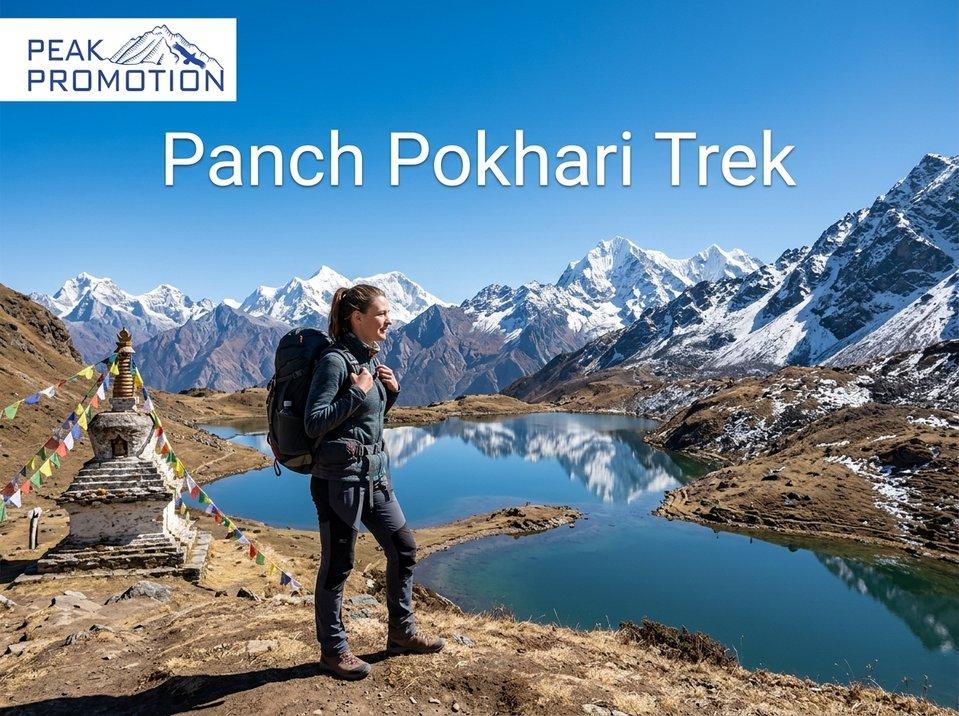
Located in the Sindhupalchok district of northeastern Nepal, Panch Pokhari is a group of five sacred alpine lakes situated at approximately 4,100 meters above sea level. The name Panch Pokhari translates to “five ponds” or “five lakes” in Nepali. Surrounded by high mountain landscapes and associated with Hindu and Buddhist traditions, the lakes are both a pilgrimage destination and a rewarding trekking objective.
The journey takes trekkers through forested hills, mountain settlements, open ridgelines and increasingly rugged terrain. Along the way, visitors can experience local culture, changing landscapes and panoramic views of the Jugal Himal region, with conditions permitting views of prominent peaks such as Dorje Lakpa.
Although Panch Pokhari is relatively close to Kathmandu compared with many Himalayan destinations, reaching the lakes requires preparation. The trail climbs to high altitude, accommodation and services can be basic, and weather conditions may change quickly.
This complete guide to the Panch Pokhari Trek covers the route, itinerary, best season, difficulty, permits, estimated costs, accommodation, packing essentials and safety considerations to help you plan a responsible and memorable Himalayan adventure.
Where Is Panch Pokhari Located?
Panch Pokhari lies in the northern part of Sindhupalchok district in Bagmati Province, northeast of Kathmandu. The lakes are associated with the Jugal Himal region and are reached through mountain trails that pass through forested slopes and rural settlements.
The destination is known for its natural beauty and religious significance. Pilgrims visit the lakes during important religious occasions, particularly Janai Purnima, while trekkers are drawn by the high-altitude scenery and the opportunity to explore a less-commercialized route.
Key Facts About the Panch Pokhari Trek
| Trekking Information | Details |
| Location | Sindhupalchok district, Bagmati Province, Nepal |
| Main attraction | Five sacred alpine lakes |
| Lake altitude | Approximately 4,100 m |
| Nearby mountain region | Jugal Himal |
| Typical trek duration | Around 5–8 days, depending on route and transport |
| Starting point | Commonly the Bhotang or Chhimti/Chimti-side trailhead, depending on the itinerary |
| Difficulty | Moderate to challenging, depending on pace, route and conditions |
| Best seasons | Spring and autumn |
| Trek style | Remote lodge-based or camping arrangements, depending on the route |
| Main highlights | Sacred lakes, forest trails, mountain views, local culture and peaceful landscapes |
Note: Route names, road access, walking times and available facilities vary. Confirm the current trailhead and itinerary with your trekking provider before departure.
Why Choose the Panch Pokhari Trek?
Panch Pokhari offers a different experience from Nepal's most heavily visited trekking routes. Rather than focusing on a single famous viewpoint or mountain base camp, the journey combines a sacred destination with rural landscapes and a rewarding high-altitude walk.
✔ Five Sacred Himalayan Lakes
The lakes are the central attraction of the trek. Their remote setting, surrounding mountain terrain and religious significance make them a meaningful destination for both pilgrims and travelers interested in Nepal's cultural heritage.
Visitors should treat the area respectfully, particularly during religious gatherings, and follow local guidance around the lakes and nearby shrines.
✔ Scenic Views of the Jugal Himal
The route offers opportunities to see forested ridges, alpine terrain and mountain scenery. Depending on weather, visibility and the precise route, trekkers may enjoy views of the Jugal Himal range and peaks including Dorje Lakpa.
Clear skies are never guaranteed in the mountains, so allow time to enjoy the journey itself rather than relying entirely on a particular viewpoint.
✔ A Quieter Alternative to Popular Treks
Panch Pokhari can appeal to trekkers who want to explore beyond Nepal's busiest trekking corridors. Visitor numbers vary considerably by season, especially around religious festivals, but the route generally offers a different atmosphere from heavily trafficked destinations.
✔ Cultural and Spiritual Experiences
The lakes are important to pilgrims, and the surrounding region is home to communities with their own customs and traditions. Trekking here offers an opportunity to learn about local life while respecting religious practices and community spaces.
✔ An Adventure Within Reach of Kathmandu
The starting area is accessible by road from Kathmandu, making Panch Pokhari an option for travelers who want a Himalayan trekking experience without taking a domestic flight.
However, road conditions, travel times and the altitude of the destination mean that proximity to Kathmandu should not be confused with an easy trek.
Best Time for the Panch Pokhari Trek
Choosing the right season can significantly affect visibility, trail conditions, comfort and safety.
▸ Spring: March to May
Spring is one of the most attractive periods for the Panch Pokhari Trek. Temperatures gradually become milder at lower elevations, and forests may feature seasonal flowers, including rhododendrons in suitable areas.
Advantages include:
- Pleasant conditions for walking at lower elevations.
- Seasonal forest scenery.
- Opportunities for mountain views during clear weather.
- Generally suitable conditions for planning a multi-day trek, subject to local forecasts.
Early spring can still bring cold nights at high altitude. Snow may remain on higher sections, depending on the preceding winter and current conditions.
▸ Autumn: September to November
Autumn is another popular season for trekking in Nepal. After the monsoon begins to withdraw, visibility can improve and mountain landscapes may become clearer.
Potential advantages include:
- Good opportunities for panoramic views.
- Generally favorable daytime trekking conditions.
- Comfortable conditions for walking at lower elevations.
- A rewarding combination of mountain scenery and local cultural experiences.
Early autumn may still experience rainfall, lingering wet trails or landslide-related road disruptions. Check conditions before departure.
▸ Summer and Monsoon: June to August
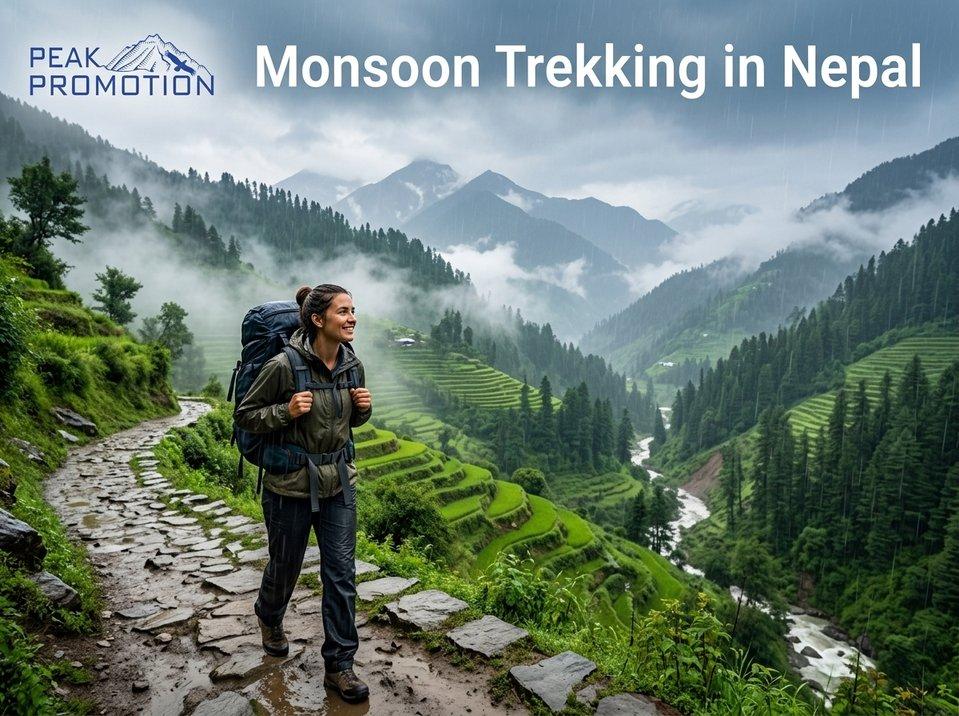
The monsoon season brings rainfall to much of Nepal. Trails can become muddy and slippery, leeches may be present in forested areas, and heavy rain can affect roads and access to remote communities.
Travel during this season requires greater flexibility.
Consider the following precautions:
- Check weather forecasts and local road conditions.
- Carry reliable rain protection and waterproof bags.
- Allow extra time for transport and walking.
- Avoid exposed ridges during thunderstorms.
- Follow local advice about landslides, flooding and unsafe trail sections.
Janai Purnima generally falls in August, although the exact date changes according to the lunar calendar. The pilgrimage can make Panch Pokhari particularly busy during this period. Religious gatherings may be meaningful to observe, but monsoon conditions can make the journey more demanding.
▸ Winter: December to February
Winter brings colder temperatures, especially at higher elevations. Snow, ice and freezing conditions may affect the route and accommodation availability.
Winter trekking should only be planned after checking current conditions and arranging suitable equipment and experienced local support. Do not assume the route is accessible simply because the starting point is relatively close to Kathmandu.
Seasonal Comparison
| Season | Main Advantages | Important Considerations |
| Spring | Forest scenery, milder lower-elevation conditions | Cold nights and possible snow at higher elevations |
| Autumn | Often clearer mountain views and favorable walking conditions | Early-season rain and changing road conditions |
| Monsoon | Lush landscapes and pilgrimage-season experiences | Rain, slippery trails, leeches and possible landslides |
| Winter | Quiet trails and winter mountain scenery | Snow, ice, cold nights and limited services |
Recommendation: Spring and autumn are generally the most practical seasons for planning the Panch Pokhari Trek. Confirm the latest weather, road access and trail conditions before booking.
Panch Pokhari Trek Itinerary
The Panch Pokhari Trek can be completed through different approaches depending on the starting point, transport availability, walking pace and accommodation arrangements. A short itinerary may be possible for experienced walkers, but a more flexible schedule is preferable for many travelers.
The following is an illustrative seven-day plan from Kathmandu. Actual walking times and overnight stops must be confirmed against the chosen route and current local conditions.
Day 1: Kathmandu to the Trailhead Area
Travel from Kathmandu toward the Sindhupalchok region, using the road access point selected for your itinerary. Depending on the destination, route and road conditions, the journey may take several hours.
After arriving, organize your equipment, meet local staff if arranged and prepare for the first walking day.
Highlights:
- Scenic road journey outside Kathmandu.
- Views of rural settlements and hills.
- Preparation for the mountain trail.
Overnight: A suitable local lodge or guesthouse, depending on the selected starting point.
Day 2: Begin Trekking Through Forested Hills
Start walking from the agreed trailhead and follow the established route through forest, hillside settlements and ascending trails.
The exact overnight destination varies by route. Pace yourself, drink safe water and take breaks when necessary.
Highlights:
- Forest trails and changing vegetation.
- Rural landscapes.
- Early views of the surrounding hills.
Overnight: Local accommodation or camp, depending on available facilities.
Day 3: Continue Toward Higher Mountain Terrain
Continue climbing through forested slopes and increasingly open terrain. As elevation increases, the trail may become steeper and more exposed.
Take your time, particularly if the route gains altitude quickly. A guide can help assess conditions and identify suitable rest stops.
Highlights:
- Mountain ridges and highland scenery.
- Changing landscapes.
- Opportunities for photography during clear weather.
Overnight: A designated lodge or camping location, according to the itinerary.
Day 4: Trek to Panch Pokhari
Continue toward the five sacred lakes at approximately 4,100 meters. The final approach may involve exposed or rocky sections, depending on the route and conditions.
Once you arrive, explore only the areas permitted for visitors. Allow time to appreciate the landscape, observe local religious practices and rest after the climb.
Highlights:
- Arrival at Panch Pokhari.
- Five sacred alpine lakes.
- Mountain scenery in the Jugal Himal region.
- A peaceful setting outside major pilgrimage periods.
Overnight: Available local accommodation or an organized campsite, subject to current arrangements.
Day 5: Explore the Lakes and Begin the Return
If weather and the itinerary allow, spend time exploring designated viewpoints near the lakes. Avoid unnecessary additional climbing if you are tired or experiencing altitude symptoms.
Begin the descent according to your guide's plan. Descending gradually and maintaining a steady pace can help manage fatigue and reduce the risk of slips.
Highlights:
- Further views of the lake basin.
- Photography and quiet time in the mountain landscape.
- The start of the return journey.
Overnight: A lower-altitude lodge or camp.
Day 6: Continue Descending Toward the Roadhead
Follow the return route through mountain terrain and forested sections toward the designated village or trailhead area.
Take care on steep, loose or wet trails. The descent can be tiring, even when the uphill walking is complete.
Highlights:
- Forest and village scenery.
- Opportunities to interact with local communities.
- A gradual return to lower elevations.
Overnight: A suitable local guesthouse or lodge.
Day 7: Return to Kathmandu
Travel back to Kathmandu by road. Journey duration depends on the starting point, traffic, weather and road conditions.
If possible, avoid scheduling an important onward flight or activity immediately after the return journey. A buffer can help accommodate unexpected delays.
Important: This itinerary is a planning framework, not a fixed daily route. A shorter or longer trek may be appropriate depending on trail access, your fitness, acclimatization needs and available overnight facilities.
How Difficult Is the Panch Pokhari Trek?
The Panch Pokhari Trek is best regarded as a moderate-to-challenging high-altitude trek, although difficulty varies with the chosen itinerary and a trekker's experience.
It does not ordinarily require technical mountaineering skills on the standard trekking approach, but it can involve sustained uphill walking, uneven terrain, basic facilities and cold conditions.
Factors That Affect Difficulty:
- Altitude: The lakes are located at approximately 4,100 meters. The reduced oxygen availability at this elevation can affect people regardless of their fitness level.
- Daily walking: Steep climbs and long walking days can make the trek demanding, particularly when the itinerary is compressed.
- Trail conditions: Mud, loose stones, snow, ice and wet surfaces can increase difficulty.
- Facilities: Some sections have limited accommodation and services. Trekkers may need to carry more personal equipment than on well-developed routes.
- Weather: Rain, wind, cold and reduced visibility can affect comfort and safety.
Who Can Do This Trek?
Panch Pokhari may suit travelers who:
- Can comfortably walk for several hours on uneven terrain.
- Have prepared for sustained uphill and downhill walking.
- Are willing to stay in simple accommodation or camp if required.
- Can adjust plans when weather or health conditions change.
- Understand the importance of gradual acclimatization.
First-time trekkers can consider the route if they prepare appropriately and choose a realistic itinerary with experienced support. Previous hiking experience is helpful but does not eliminate altitude-related risks.
Altitude and Acclimatization on the Panch Pokhari Trek
Altitude is one of the most important considerations when planning this journey.
At approximately 4,100 meters, Panch Pokhari is high enough for altitude illness to be a serious concern. The risk depends partly on how quickly you ascend, how high you sleep and your individual response to altitude.
Common Symptoms of Altitude Sickness:
Possible symptoms of acute mountain sickness include:
- Headache.
- Nausea or loss of appetite.
- Dizziness.
- Unusual fatigue.
- Difficulty sleeping.
Symptoms should not be dismissed as normal tiredness. Tell your guide or trekking companions if you feel unwell after ascending.
Confusion, difficulty walking straight, or breathlessness at rest can indicate a serious emergency. These symptoms require urgent medical assistance and descent to a lower altitude when it is safe to do so.
How to Reduce Altitude Risk?
- Choose an itinerary that allows appropriate acclimatization.
- Avoid rushing to the lakes immediately after a long road journey.
- Walk at a steady, manageable pace.
- Stay hydrated without forcing excessive water intake.
- Avoid further ascent if altitude illness is suspected.
- Follow medical advice about preventive medication where appropriate.
- Make sure your guide knows how to respond to an altitude-related emergency.
Physical fitness helps with the demands of walking, but it does not guarantee protection against altitude sickness.
If you have medical concerns, consult a qualified healthcare professional before traveling to high altitude.
Permits and Guide Requirements for Panch Pokhari
Before starting the trek, confirm the permits and arrangements required for your exact route.
The Nepal Tourism Board's published TIMS guidance specifically lists the Panchpokhari–Bhairabkunda area among trekking routes requiring a licensed trekking guide and an agency-issued TIMS card under the listed provisions. Check the current requirements before departure, as regulations and implementation may change.
Depending on the route and any protected-area boundaries involved, additional permits or entry requirements may apply.
What to Confirm Before Departure?
- Whether a licensed guide is mandatory for your chosen route.
- Whether your trekking agency must arrange your TIMS card.
- Whether a protected-area entry permit applies to the exact itinerary.
- Whether local access or other permissions are required.
- Which documents you should carry during the trek.
Do not assume that permits required for another trekking region automatically apply to Panch Pokhari. Ask your trekking provider to confirm the route-specific rules and fees with the relevant authorities.
For general information, consult the Nepal Tourism Board trekking guide.
Panch Pokhari Trek Cost
The cost of the Panch Pokhari Trek depends on the length of the itinerary, group size, transport, guide services, accommodation, meals, equipment and season.
Because road conditions and local services can change, it is better to obtain a current, itemized quotation than rely on a single advertised price.
Main Cost Components
| Expense | What Affects the Cost |
| Transport | Private jeep, shared vehicle, road conditions and trailhead |
| Guide services | Duration, guide experience and required arrangements |
| Porter services | Group luggage, workload and number of trekking days |
| Accommodation | Lodge availability, camping arrangements and group size |
| Meals and drinks | Menu, location and availability of supplies |
| Permits | Current official fees and applicable route requirements |
| Equipment | Personal purchases, rentals and seasonal requirements |
| Insurance | Policy coverage for high-altitude trekking and evacuation |
| Contingency | Weather delays, road disruption and itinerary changes |
How to Plan Your Budget?
Request a quotation that specifies what is included and excluded. Check whether transport, meals, accommodation, permits, guide services and porter arrangements are covered.
Also allow a contingency for unexpected delays or changes. In remote areas, transport or accommodation alternatives may be limited, and a flexible budget can make it easier to respond to changing conditions.
Avoid choosing a trekking package based on price alone. Clear arrangements, suitable equipment, experienced local support and responsible staff practices are important considerations.
Accommodation and Food Along the Route
Facilities on the Panch Pokhari Trek can be more basic and less consistent than on popular commercial routes.
Depending on the approach and season, trekkers may find local lodges, basic guesthouses or organized camping arrangements. The availability and standard of accommodation should be confirmed before departure.
What to Expect From Accommodation?
You may encounter:
- Simple rooms and shared facilities.
- Limited hot water or electricity.
- Basic bedding or a need for a personal sleeping bag.
- Seasonal variation in available services.
- Camping requirements on some itineraries.
Do not assume that every overnight stop has a fully equipped teahouse.
Food and Drinking Water
Meals may include familiar Nepali dishes such as dal bhat, noodles, rice, potatoes, soups and seasonal local foods. Menu options can be more limited at higher elevations.
Carry snacks that you know you tolerate well during physical activity.
For drinking water, use a reliable treatment method or verified safe refill source. Do not assume that clear-looking stream water is safe to drink untreated.
If you have dietary restrictions, communicate them to your guide and accommodation providers in advance.
Essential Packing List for the Panch Pokhari Trek
The correct equipment helps you manage cold temperatures, changing weather and long walking days.
▸ Clothing
- Moisture-wicking base layers.
- Warm fleece or insulating mid-layer.
- Waterproof and wind-resistant jacket.
- Trekking trousers.
- Warm hat and gloves.
- Comfortable trekking socks.
- Spare clothing for colder conditions.
▸ Footwear and Accessories
- Well-fitted trekking boots with reliable grip.
- Trekking poles, particularly for steep descents.
- Sunglasses with appropriate UV protection.
- Sun hat and sunscreen.
- Headlamp with spare batteries.
- Reusable water bottles or a hydration system.
- Waterproof bags or pack covers.
▸ Health and Safety
- Personal first-aid supplies.
- Personal medication.
- Water-treatment tablets or an appropriate filter.
- High-energy snacks.
- Basic toiletries and hand sanitizer.
- Identification and required permits.
- Travel insurance details and emergency contacts.
- Offline maps or another suitable navigation resource.
▸ Sleeping and Camping Equipment
If your itinerary includes camping or basic overnight facilities, ask the operator what equipment is supplied.
You may need a sleeping bag suitable for expected temperatures, an insulated sleeping mat and other camping essentials. Do not assume that all equipment will be available for hire near the trailhead.
For a more detailed preparation resource, read Peak Promotion Nepal's trekking routes and use your chosen itinerary to determine which equipment is necessary.
Responsible Trekking at Panch Pokhari
Panch Pokhari is both a natural landscape and a sacred destination. Visitors should take care to minimize their impact and respect local communities.
✔ Keep the Lakes Clean
Carry all rubbish back to an appropriate disposal point. Do not leave food packaging, tissues, plastic bottles or other waste beside the lakes or on the trail.
✔ Respect Religious Practices
The lakes attract pilgrims, particularly during Janai Purnima. Give people space to worship, follow local instructions and ask permission before photographing individuals or ceremonies.
✔ Support Local Communities
Use reputable local services where available, treat guides and porters fairly, and respect village property and customs.
✔ Protect the Trail
Stay on established paths, avoid disturbing wildlife and plants, and do not remove natural or cultural objects as souvenirs.
✔ Be Flexible
If the weather deteriorates, the trail becomes unsafe or someone develops altitude symptoms, be prepared to change the plan. Reaching the lakes should never take priority over safety.
Is Panch Pokhari Worth Visiting?
Panch Pokhari can be an excellent choice for trekkers seeking a combination of sacred lakes, mountain scenery and a quieter trekking experience near Kathmandu.
It is particularly appealing to travelers who value:
- A destination with cultural and spiritual significance.
- High-altitude landscapes without a technical climbing objective.
- Forest trails and mountain ridgelines.
- Opportunities to experience rural communities.
- An alternative to Nepal's busiest trekking routes.
However, the trek is not automatically easy because it is close to the capital. The high elevation, changing weather, uneven trails and potentially basic facilities require careful planning.
If you want a well-rounded Himalayan experience and are prepared for these conditions, Panch Pokhari deserves consideration.
Panch Pokhari Trek vs. Other Nepal Treks
If you are deciding which route to take, compare Panch Pokhari with other trekking experiences based on your available time, fitness and preferred travel style.
| Trek | Main Attraction | General Consideration |
| Panch Pokhari Trek | Five sacred lakes and Jugal Himal scenery | Remote feel, high altitude and potentially basic facilities |
| Ghorepani Poon Hill Trek | Famous sunrise views over the Annapurna region | A shorter, more established trekking experience |
| Langtang Valley Trek | Mountain landscapes, Tamang culture and Kyanjin Gompa | A longer valley trek with high-altitude walking |
| Everest Base Camp Trek | Everest region scenery and Sherpa settlements | A longer itinerary requiring careful acclimatization |
| Mardi Himal Trek | Forests, ridgelines and close mountain views | Steep sections and substantial altitude gain |
Explore these Peak Promotion Nepal resources when comparing routes:
- Ghorepani Poon Hill Trek
- Langtang Valley Trek
- Everest Base Camp Trek
- Mardi Himal Trek
- All Trekking Routes
Frequently Asked Questions (FAQ's):
Q. Where is Panch Pokhari located?
Panch Pokhari is located in Sindhupalchok district in Bagmati Province, northeastern Nepal. The five sacred lakes lie at approximately 4,100 meters in the Jugal Himal region.
Q. How many days are needed for the Panch Pokhari Trek?
A typical itinerary may take around 5–8 days, depending on the roadhead, route, walking pace and overnight arrangements. Some itineraries are shorter, but a flexible schedule can make the journey more comfortable and allow for changing conditions.
Q. What is the altitude of Panch Pokhari?
The five lakes are situated at approximately 4,100 meters above sea level. This is high enough for altitude sickness to be a serious concern, so trekkers should plan their ascent carefully.
Q. What is the best time for the Panch Pokhari Trek?
Spring, from March to May, and autumn, from September to November, are generally favorable seasons. Weather can still change quickly, so check forecasts and local trail conditions before departure.
Q. Is the Panch Pokhari Trek difficult?
It is generally considered moderate to challenging, depending on the route, itinerary and individual fitness. The high altitude, sustained uphill walking, uneven terrain and basic facilities can make the trek demanding.
Q. Do I need a guide for the Panch Pokhari Trek?
The Nepal Tourism Board's published TIMS guidance lists the Panchpokhari–Bhairabkunda area among routes requiring a licensed guide and an agency-issued TIMS card under the stated provisions. Verify the latest rules and arrangements for your exact route before traveling.
Q. What permits are required for Panch Pokhari?
Requirements depend on the exact route and current regulations. Check the guide and TIMS requirements, and confirm whether any protected-area entry permit or additional authorization applies. Your trekking provider should verify current fees with the relevant authorities.
Q. How much does the Panch Pokhari Trek cost?
Costs vary according to transport, group size, guide and porter services, meals, accommodation, permits and equipment. Request an itemized quotation for your intended dates rather than relying on a single general price.
Q. Is accommodation available during the Panch Pokhari Trek?
Accommodation options vary by route and season. Some itineraries use local lodges or guesthouses, while others may require organized camping. Confirm overnight arrangements before setting off.
Q. Can beginners do the Panch Pokhari Trek?
Beginners who are physically prepared may be able to complete the trek with a suitable itinerary and experienced support. Because the lakes are at high altitude, first-time trekkers should avoid rushing and should understand the symptoms and risks of altitude sickness.
Q. Is Panch Pokhari a religious destination?
Yes. The lakes are regarded as sacred and attract Hindu and Buddhist pilgrims. Janai Purnima is an especially significant pilgrimage period. Visitors should respect religious activities and follow local guidance around the lakes.
Q. What should I pack for the Panch Pokhari Trek?
Bring layered clothing, a waterproof jacket, suitable trekking boots, warm accessories, sun protection, water-treatment supplies, a headlamp, personal medication and essential first-aid items. Sleeping and camping equipment depend on the accommodation arranged.
Q. Is Panch Pokhari suitable during the monsoon?
Monsoon trekking is possible only when conditions and access are suitable, but heavy rainfall can make trails slippery and roads unreliable. Check local conditions carefully and be prepared to postpone or change your itinerary.
Q. Can I trek to Panch Pokhari without camping equipment?
That depends on the chosen route and current accommodation availability. Some itineraries may use local lodges, while others require camping. Confirm all overnight arrangements before departure.
Ready to Explore Panch Pokhari?
The Panch Pokhari Trek offers a rewarding combination of sacred lakes, high-altitude landscapes, forest trails and cultural experiences. With careful preparation, responsible trekking practices and a realistic itinerary, it can become a memorable part of your Nepal adventure.
Peak Promotion Nepal has supported Himalayan trekking and expedition activities since 1992. Plan your journey with attention to route conditions, local guidance, safety and respect for the communities and landscapes you visit.
Ready to Trek Nepal?
Explore Nepal's Himalayas with experienced local support, carefully planned routes and reliable trekking logistics.
Peak Promotion Pvt. Ltd.
Contact: +977 9841135705
Email: info@peakpromotionnepal.com
Location: Lazimpat, Kathmandu 44600, Nepal
Plan Your Trek with Peak Promotion Nepal.