Nepal Trekking Permits: Complete Guide
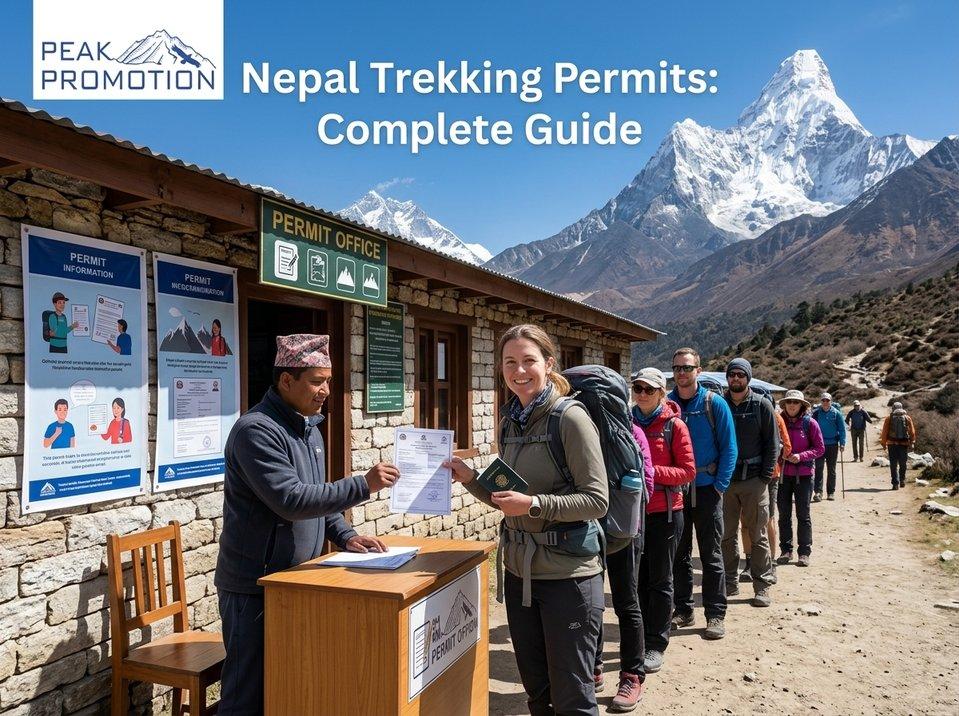
Planning a trek in Nepal involves more than choosing a route, booking flights and packing your trekking gear. Depending on your destination, you may need a TIMS card, national park or conservation area entry permit, restricted-area trekking permit, or additional permissions for peak climbing and mountaineering.
Understanding these requirements before arriving in Nepal can help you avoid delays, unexpected costs and problems at checkpoints along the trekking route.
The good news is that the permit system becomes much easier to understand once you know which type of permit applies to your trek.
This Nepal trekking permits complete guide explains the major permits, current TIMS requirements, protected-area fees, restricted-area permits, popular trekking routes, application procedures, required documents and common mistakes to avoid.
Important: Permit requirements and fees can change. The information below reflects current Nepal Tourism Board information available in 2026. Always confirm route-specific requirements with your registered trekking agency and the relevant authorities before departure.
Nepal Trekking Permits at a Glance
The permit or documentation you need depends primarily on your trekking route.
| Permit / Requirement | What It Is For | Common Examples |
| TIMS Card | Trekker registration and safety management | Everest, Annapurna, Langtang, Manaslu and many other routes |
| National Park Entry Permit | Entry into a national park | Sagarmatha, Langtang, Makalu-Barun, Shey-Phoksundo |
| Conservation Area Permit/Entry Fee | Entry into conservation areas | Annapurna, Manaslu, Kanchenjunga, Gaurishankar |
| Restricted-Area Trekking Permit | Special areas controlled by immigration authorities | Upper Mustang, Upper Dolpo, Manaslu restricted area, Tsum Valley |
| Peak Climbing/Mountaineering Permission | Climbing permitted Himalayan peaks | Mera Peak, Island Peak and other climbing objectives |
| Other local permissions | Route- or destination-specific requirements | Certain municipalities, heritage or local areas |
Not every trek requires every type of permit.
For example, an Everest Base Camp trek may involve TIMS plus Sagarmatha National Park entry, while Upper Mustang requires a restricted-area permit in addition to applicable trekking documentation.
What Is TIMS in Nepal?
TIMS stands for Trekkers' Information Management System.
It is a trekking registration system designed to maintain information about trekkers and improve safety and management on trekking routes.
Under the revised TIMS provisions effective from March 31, 2023, Nepal Tourism Board requires trekkers on specified routes to be accompanied by a licensed trekking guide and carry a trekking-agency-issued TIMS card.
The current NTB list includes major routes in:
- Everest
- Annapurna
- Langtang
- Manaslu
- Kanchenjunga
- Makalu-Barun
- Mustang
- Dolpo
- Humla
- Rolwaling
- Helambu
- Ganesh Himal
- Panchpokhari
- Dhaulagiri
- and other trekking regions.
How Much Does a TIMS Card Cost?
The current Nepal Tourism Board TIMS page lists:
| Trekker Category | Current TIMS Fee |
| SAARC nationals | NPR 1,000 |
| Other foreign nationals | NPR 2,000 |
The current system allows registered trekking agencies to complete the online application and payment process, after which an electronic TIMS card with a QR code is generated for each trekker.
Important note about older information
You may find older websites mentioning different TIMS prices, including separate group and FIT rates.
Do not automatically rely on those older figures.
The current Nepal Tourism Board TIMS page lists NPR 1,000 for SAARC applicants and NPR 2,000 for other applicants under the current system.
Which Treks Require TIMS?
The current Nepal Tourism Board list is extensive.
▸ Everest Region
TIMS applies to routes including:
- Everest Base Camp Trek
- Gokyo Trek
- Cho La Pass Trek
- Gokyo–Renjo La Trek
- Everest Three Passes Trek
- Everest View Trek
- Mera Peak Trek
- Amphu Labtsha Pass
▸ Annapurna Region
The listed routes include:
- Annapurna Circuit
- Nar Phu Annapurna Circuit
- Mesokanto/Tilicho Pass
- Poon Hill–ABC Trek
- Khopra Trek
- Mardi Himal Trek
- Sikleh Tara Hill Trek
▸ Langtang Region
Listed routes include:
- Langtang Trek
- Langtang–Gosaikunda Trek
- Tamang Heritage Trek
- Tamang Heritage–Langtang Trek
- Ganja La Pass Trek
- Till Man Pass
▸ Manaslu Region
The current list includes:
- Manaslu Circuit Trek
- Manaslu–Tsum Valley Trek
- Tsum Valley Trek
▸ Other Regions
The current NTB list also includes routes in Kanchenjunga, Makalu-Barun, Rolwaling, Helambu, Ganesh Himal, Mustang, Dhaulagiri, Dolpo and Humla.
Do You Need a Guide for Trekking in Nepal?
For routes covered by the revised TIMS provisions, yes.
Nepal Tourism Board states that trekkers on the specified routes must be accompanied by a licensed trekking guide and carry a trekking-agency-issued TIMS card.
This is particularly important for travelers researching whether they can independently trek routes such as:
- Everest Base Camp
- Annapurna Circuit
- Langtang Valley
- Manaslu
- Mardi Himal
- Poon Hill–ABC
- Upper Mustang
- Upper Dolpo
Before assuming that a route can be trekked independently, check its current status.
What Is a National Park Entry Permit?
A national park entry permit or entry fee is separate from TIMS.
If your trekking route passes through a national park, you generally need to pay the applicable protected-area entry fee.
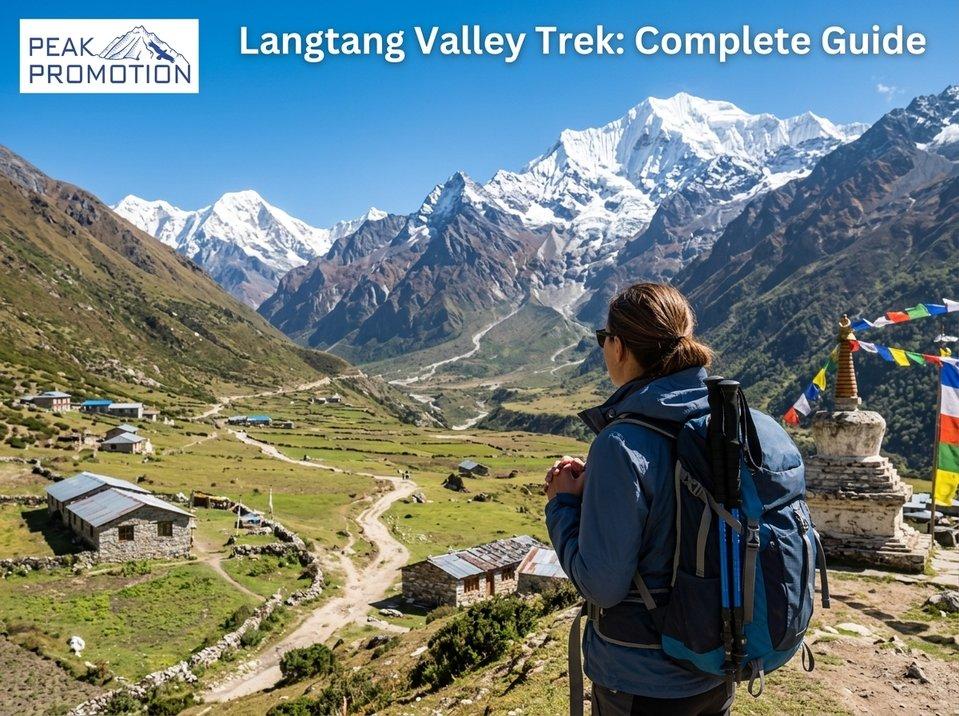
For example, the Everest Base Camp route passes through Sagarmatha National Park, while Langtang Valley Trek enters Langtang National Park.
The Nepal Tourism Board states that park entry fees can be paid at the Tourist Service Center in Bhrikutimandap, Kathmandu, or at designated entry points.
Current National Park Entry Fees for Trekkers
The current NTB table lists the following major protected-area fees.
| Protected Area | SAARC | Foreigners |
| Sagarmatha National Park | NPR 1,500 | NPR 3,000 |
| Langtang National Park | NPR 1,500 | NPR 3,000 |
| Makalu-Barun National Park | NPR 1,500 | NPR 3,000 |
| Shey-Phoksundo National Park | NPR 1,500 | NPR 3,000 |
| Rara National Park | NPR 1,500 | NPR 3,000 |
| Khaptad National Park | NPR 1,500 | NPR 3,000 |
| Shivapuri-Nagarjun National Park | NPR 600 | NPR 1,000 |
The current NTB schedule states that children below 10 years are free for the listed park entries.
Conservation Area Entry Fees
Several of Nepal's most famous trekking destinations are located inside conservation areas rather than national parks.
Important examples include:
- Annapurna Conservation Area
- Manaslu Conservation Area
- Kanchenjunga Conservation Area
- Gaurishankar Conservation Area
- Api Nampa Conservation Area
Current Nepal Tourism Board fees include:
| Conservation Area | SAARC | Foreigners |
| Annapurna Conservation Area | NPR 1,000 | NPR 3,000 |
| Manaslu Conservation Area | NPR 1,000 | NPR 3,000 |
| Gaurishankar Conservation Area | NPR 1,000 | NPR 3,000 |
| Kanchenjunga Conservation Area | NPR 500 | NPR 2,000 |
| Api Nampa Conservation Area | NPR 500 | NPR 2,000 |
These are separate from TIMS and, where applicable, restricted-area permits.
Everest Base Camp Trek Permits
The Everest Base Camp Trek is one of the most searched trekking routes in Nepal, and understanding its documentation is important.
For the current route requirements, trekkers should account for:
- TIMS
- Sagarmatha National Park entry
- Any applicable local or route-specific requirements
The current NTB TIMS list specifically includes Everest Base Camp Trek among routes requiring a licensed guide and agency-issued TIMS.
The current Sagarmatha National Park entry fee for foreign nationals is NPR 3,000, while the SAARC rate is NPR 1,500.
Related planning:
If you are planning Everest Base Camp, also consider:
- Flight or transportation arrangements
- Acclimatization days
- Travel insurance
- Emergency evacuation coverage
- Guide and porter arrangements
- Weather conditions
- Trekking equipment
- Accommodation
- Backup days
Annapurna Trekking Permits
The Annapurna region is extensive, so permit requirements depend on the route.
The current TIMS list includes:
- Annapurna Circuit
- Nar Phu Annapurna Circuit
- Poon Hill–ABC
- Khopra
- Mardi Himal
- Mesokanto/Tilicho Pass
- Sikleh Tara Hill Trek
The Annapurna Conservation Area currently charges foreign visitors NPR 3,000 and SAARC visitors NPR 1,000 per entry.
Therefore, trekkers should not assume that an Annapurna itinerary only requires a single permit.
Langtang Trekking Permits
The Langtang region is another major trekking destination with specific documentation requirements.
Current NTB information lists:
- Langtang Trek
- Langtang–Gosaikunda Trek
- Tamang Heritage Trek
- Tamang Heritage–Langtang Trek
- Ganja La Pass Trek
- Till Man Pass
under the routes requiring a licensed guide and agency-issued TIMS.
Trekkers entering Langtang National Park also need the applicable park entry permit/fee.
The current foreigner entry fee listed by NTB is NPR 3,000.
Manaslu Trekking Permits
Manaslu is more complicated than many popular trekking routes because the region combines:
- TIMS requirements
- Conservation-area entry
- Restricted-area trekking requirements
The current NTB TIMS list includes:
- Manaslu Circuit Trek
- Manaslu–Tsum Valley Trek
- Tsum Valley Trek.
The Manaslu Conservation Area entry fee is currently:
- NPR 1,000 for SAARC nationals
- NPR 3,000 for other foreign nationals.
Parts of Manaslu also fall under Nepal's restricted-area regulations, meaning an additional special trekking permit is required.
Upper Mustang Trekking Permit
Upper Mustang is a restricted trekking area.
A special trekking permit must be obtained through the Department of Immigration process for the designated restricted area.
The current Nepal Tourism Board schedule lists the Upper Mustang permit at:
USD 50 per person per day.
This makes Upper Mustang considerably different from ordinary trekking routes where the primary requirements may be TIMS and protected-area entry.
Because restricted-area permits involve designated boundaries and specific regulations, trekkers should arrange them through a properly registered trekking agency.
Upper Dolpo Trekking Permit
Upper Dolpo is another restricted trekking region.
The current NTB permit schedule lists:
USD 50 per person per day for the specified Upper Dolpo restricted areas.
Trekkers should also account for applicable protected-area entry fees and other route requirements.
Upper Dolpo is remote, so permit planning should be completed well before the trek begins.
Tsum Valley Trekking Permit
Tsum Valley has both regular trekking documentation and restricted-area considerations.
The current NTB restricted-area schedule lists the designated Tsum Valley area at:
- September–November: USD 40 per person per week
- December–August: USD 30 per person per week
- Additional days beyond the first week: USD 7 per person per day
These figures apply to the designated restricted area specified by the Department of Immigration/NTB schedule.
Restricted-Area Trekking Permits in Nepal
Nepal has several restricted areas where additional government control applies.
These permits are different from ordinary protected-area entry fees.
Current NTB information includes restricted areas in:
- Upper Mustang
- Upper Dolpo
- Manaslu
- Humla
- Taplejung
- Lower Dolpo
- Dolakha
- Tsum Valley
- Sankhuwasabha
- Solukhumbu
- Rasuwa
- Manang
- Bajhang
- Mugu
- Darchula
The applicable fee varies by region and, in several areas, by season and duration.
Selected Restricted-Area Permit Fees
| Restricted Area | Current Permit Structure |
| Upper Mustang | USD 50/person/day |
| Upper Dolpo | USD 50/person/day |
| Manaslu restricted area | USD 100/person/week Sep–Nov; USD 75/week Dec–Aug, with additional daily fees |
| Humla | USD 50/person/week + additional daily fee |
| Tsum Valley | USD 40/week Sep–Nov; USD 30/week Dec–Aug + additional daily fee |
| Manang restricted areas | USD 100/week Sep–Nov; USD 75/week Dec–Aug + additional daily fee |
| Solukhumbu restricted area | USD 20/week for first four weeks; USD 25/week thereafter |
These rates are for the specific restricted areas and administrative boundaries listed by NTB, not necessarily an entire trekking region.
Why Restricted-Area Permits Are Different?
A restricted-area permit is not simply another national park ticket.
The government specifies:
- Where the permit applies
- Which administrative areas are covered
- The permitted route
- Duration
- Seasonal pricing in some regions
- Documentation requirements
The Nepal Tourism Board states that trekking outside the specified area or route can constitute a violation of the applicable regulations. Trekkers are also required to keep the permit with them and present it to immigration officials or police when requested.
Do You Need a Separate Permit for Every Trek?
No.
The number of permits depends on the route.
Example 1: Everest Base Camp
Possible requirements include:
- TIMS
- Sagarmatha National Park entry
Example 2: Langtang Valley
Possible requirements include:
- TIMS
- Langtang National Park entry
Example 3: Annapurna Circuit
Possible requirements include:
- TIMS
- Annapurna Conservation Area entry
Example 4: Manaslu Circuit
Possible requirements include:
- TIMS
- Manaslu Conservation Area entry
- Restricted-area permit for the applicable section
Example 5: Upper Mustang
Possible requirements include:
- TIMS
- Restricted-area permit
- Applicable conservation-area entry
The exact combination should always be checked against the itinerary you are actually taking.
TIMS vs Trekking Permit vs National Park Permit
These terms are often confused.
| Requirement | Main Purpose | Issuing/Managing Authority |
| TIMS | Trekker registration and safety management | Nepal Tourism Board system |
| National Park Entry | Entry into protected national parks | Protected-area authorities/NTB |
| Conservation Area Entry | Entry into conservation areas | Relevant conservation-area authority/NTB |
| Restricted-Area Permit | Control of designated restricted trekking zones | Department of Immigration |
| Mountaineering Permit | Himalayan peak climbing | Relevant government/mountaineering authorities |
The key point is:
A TIMS card is not a replacement for a national park or restricted-area permit.
You may need more than one.
What Documents Do You Need?
Your trekking agency will generally need information from your travel documents to process the required permits.
Keep the following available:
- Valid passport
- Passport details
- Passport-size photograph or digital photo
- Trekking itinerary
- Emergency contact information
- Travel insurance details
- Visa information where applicable
For restricted-area trekking, additional documentation may be required depending on the destination and permit procedure.
Your trekking agency should tell you exactly what is required for your itinerary.
How to Get Nepal Trekking Permits?
For most international trekkers, the simplest approach is to work with a government-registered trekking agency.
Step 1: Choose your trekking route
Determine exactly where you are going.
An Everest Base Camp itinerary has different requirements from Upper Mustang or Manaslu.
Step 2: Check the current permit requirements
Identify:
- TIMS
- National park entry
- Conservation-area entry
- Restricted-area permits
- Peak climbing permits if applicable
Step 3: Provide your documents
Submit your passport information and required photographs/details to your trekking agency.
Step 4: Agency processes the permits
For routes requiring agency-issued TIMS, the registered agency submits the trekker and route information through the relevant system.
Step 5: Receive your documentation
The current TIMS system generates an electronic card with a QR code after successful processing.
Step 6: Carry permits during the trek
Keep physical or electronic documentation as instructed and make sure you can present it at checkpoints.
Can You Get Trekking Permits Yourself?
It depends on the permit.
Some protected-area entry fees can be paid at designated locations, including entry points.
However, the current TIMS system for the listed routes requires a licensed guide and agency-issued TIMS, while restricted-area permits are handled through the Department of Immigration process.
For most international trekkers, using a registered trekking agency is therefore the most straightforward option.
This also reduces the chance of arriving at a checkpoint without the correct documentation.
When Should You Arrange Trekking Permits?
Ideally, arrange your permits before beginning your trek, rather than waiting until you reach a remote checkpoint.
For popular routes during spring and autumn, advance planning is especially useful.
For restricted areas, advance coordination is even more important because:
- Special permits may be required
- Some routes have designated boundaries
- Guide requirements apply
- Transportation may be limited
- Accommodation can be remote
- Weather can affect access
Your agency can coordinate the paperwork alongside transportation, accommodation and guide arrangements.
Do Permit Fees Include Trekking Costs?
No.
A trekking permit is only one part of your overall trekking budget.
You may also need to budget for:
- International flights
- Nepal visa
- Domestic flights
- Tourist buses or private transportation
- Accommodation
- Meals
- Guide
- Porter
- Equipment
- Travel insurance
- Rescue coverage
- Personal expenses
- Tips
- Additional accommodation days
- Emergency transportation
Therefore, do not calculate your Nepal trekking budget by adding up permit fees alone.
Are Permit Fees Refundable?
You should not assume that permits are refundable.
Once documentation has been processed, changes to your itinerary may not automatically result in a refund.
This is particularly important for restricted-area permits and other pre-arranged documentation.
Before paying, confirm:
- Permit validity
- Start date
- End date
- Route
- Number of days
- Number of trekkers
- Whether changes are permitted
Common Nepal Trekking Permit Mistakes
▸ Relying on outdated permit prices
Permit fees can change.
Always check current official information.
▸ Assuming TIMS is the only permit
A trekking route may also enter a national park or conservation area.
▸ Assuming every trek is independent
Current TIMS rules require guides and agency-issued TIMS on many listed routes.
▸ Confusing restricted-area permits with park entry
They are different requirements.
▸ Not checking the exact route
A route can pass through a restricted zone even when another itinerary in the same broader region does not.
▸ Leaving permit arrangements until the last minute
This is particularly risky for remote and restricted regions.
▸ Not carrying your documentation
The NTB restricted-area guidance states that the permit should be kept with the trekker and shown to immigration or police when requested.
▸ Following an old blog's information
Older travel blogs can contain outdated TIMS fees, guide rules and permit requirements.
For current planning, prioritize official government and tourism sources.
Nepal Trekking Permit Checklist
Before leaving Kathmandu, confirm:
- Passport is valid
- Nepal visa is arranged
- TIMS requirement checked
- Licensed guide arranged where required
- TIMS processed where required
- National park entry checked
- Conservation-area entry checked
- Restricted-area permit checked
- Peak climbing permit checked if climbing
- Trekking route matches permit
- Permit dates are correct
- Copies of documents are available
- Travel insurance is valid
- Emergency contact information is available
- Trek itinerary has been shared with your agency/contact
Why Permit Planning Matters for a Safe Trek?
Permits are not simply administrative paperwork.
The trekking registration and permit systems help authorities manage visitors, regulate sensitive areas and maintain information about trekkers.
TIMS is specifically designed as a trekking information management system, while protected-area fees support access and management of Nepal's protected destinations.
For trekkers, correct documentation also means fewer problems at checkpoints and better coordination with your guide and trekking agency.
Why Choose Peak Promotion Nepal for Permit Support?
Planning a Himalayan trek involves much more than obtaining a permit.
A professional local trekking company can coordinate:
- Trekking permits
- TIMS
- National park entry
- Conservation-area documentation
- Restricted-area permits
- Licensed guides
- Porters
- Transportation
- Accommodation
- Trekking itineraries
- High-altitude logistics
- Emergency coordination
Peak Promotion Nepal can help travelers organize the administrative and logistical side of their Nepal trekking adventure while allowing them to focus on preparation and the journey itself.
For restricted and high-altitude routes, local knowledge is particularly valuable because permit requirements, transportation and route conditions can vary.
Frequently Asked Questions (FAQ's):
Q. What permits do I need to trek in Nepal?
It depends on your route. You may need TIMS, a national park or conservation-area entry permit, and in restricted regions an additional special trekking permit.
Q. Is TIMS mandatory in Nepal?
The current Nepal Tourism Board requires TIMS and a licensed guide on many specified trekking routes. The current list includes Everest, Annapurna, Langtang, Manaslu, Mustang, Dolpo and several other regions.
Q. How much does TIMS cost in Nepal?
The current NTB TIMS page lists NPR 1,000 for SAARC applicants and NPR 2,000 for other foreign applicants.
Q. Do I need a permit for Everest Base Camp?
Yes. Everest Base Camp falls under the current TIMS route list, and trekkers also enter Sagarmatha National Park.
Q. How much is the Sagarmatha National Park permit?
The current NTB fee is NPR 3,000 for foreign nationals and NPR 1,500 for SAARC nationals.
Q. Do I need a permit for Annapurna Circuit?
The Annapurna Circuit is on the current TIMS route list, and the route enters the Annapurna Conservation Area.
Q. Do I need a permit for Langtang Valley Trek?
Yes. The current NTB TIMS list includes Langtang Trek, and the route enters Langtang National Park.
Q. Is Manaslu a restricted trekking area?
Parts of the Manaslu region are subject to restricted-area regulations. A Manaslu itinerary can therefore require TIMS, Manaslu Conservation Area entry and a restricted-area permit for the applicable section.
Q. How much is the Upper Mustang permit?
The current NTB schedule lists the Upper Mustang restricted-area permit at USD 50 per person per day.
Q. How much is the Upper Dolpo permit?
The current NTB schedule lists USD 50 per person per day for the specified Upper Dolpo restricted areas.
Q. Can I trek Nepal without a guide?
Not on many of the routes covered by the current TIMS provisions. The current rules require a licensed trekking guide and agency-issued TIMS on the listed routes.
Q. Can I buy a national park permit at the trailhead?
The Nepal Tourism Board states that protected-area entry fees can be paid at the Tourist Service Center in Bhrikutimandap or at designated entry points.
Q. Should I carry my trekking permit during the trek?
Yes. For restricted-area trekking, NTB specifically states that the permit should remain with the trekker and be shown to immigration officials or police when requested.
Q. Do trekking permits include the cost of a guide?
No. Permit fees and trekking-service costs are separate unless your trekking package explicitly states that particular permits are included.
Final Thoughts
Understanding Nepal trekking permits is one of the most important parts of planning a Himalayan adventure.
The key is to identify your route first and then determine which documentation applies.
For many major routes, you need to consider TIMS plus protected-area entry. Restricted destinations such as Upper Mustang, Upper Dolpo and parts of Manaslu require additional special permits.
Because regulations and fees can change, avoid relying solely on old trekking blogs or forum posts. Check the latest official information and work with a registered local trekking agency for route-specific requirements.
With your permits, guide arrangements, itinerary and logistics properly organized, you can spend less time worrying about paperwork and more time experiencing Nepal's mountains, villages, cultures and landscapes.
Ready to Trek Nepal?
Explore Nepal's Himalayas with experienced local support, carefully planned routes and reliable trekking logistics.
Peak Promotion Pvt. Ltd.
Contact: +977 9841135705
Email: info@peakpromotionnepal.com
Location: Lazimpat, Kathmandu 44600, Nepal
Plan Your Trek with Peak Promotion Nepal.