Best Time to Trek in Nepal: Month-by-Month Guide
Nepal is a year-round destination for adventure, but the best time to trek in Nepal depends heavily on where you want to go, how high you plan to trek, and what kind of experience you want.
For most classic Himalayan trekking routes, spring and autumn are the most favorable seasons. March to May generally brings warmer conditions, blooming rhododendrons and improving mountain views, while September to November is known for clearer post-monsoon skies and stable trekking conditions.
However, that does not mean trekking is limited to these months.
Winter can be excellent for lower-altitude routes and experienced trekkers who are prepared for cold conditions. During the monsoon, rain-shadow destinations such as Mustang and parts of Manang and Dolpa can provide alternatives to the wetter trails elsewhere in Nepal.
So, rather than asking only “When is the best time to trek in Nepal?”, it is better to ask:
“Which month is best for the trek I want to do?”
This month-by-month guide explains what to expect throughout the year and helps you choose the right trekking season for your Nepal adventure.
What Is the Best Time to Trek in Nepal?
For most popular trekking routes, the best time to trek in Nepal is spring and autumn.
Spring: March to May
Spring is one of Nepal's major trekking seasons.
The weather generally becomes warmer, trails become more comfortable at lower elevations, and rhododendrons add color to many Himalayan landscapes. Higher mountain regions can still be cold, but conditions generally become increasingly suitable for trekking as spring progresses.
Spring is particularly attractive for:
- Everest Base Camp Trek
- Annapurna Base Camp Trek
- Annapurna Circuit
- Mardi Himal Trek
- Poon Hill Trek
- Langtang Valley Trek
- Manaslu Circuit
- High-altitude trekking
- Himalayan expeditions
Autumn: September to November
Autumn is widely regarded as one of the finest periods for trekking in Nepal.
The monsoon gradually clears, visibility improves and mountain landscapes can be exceptionally impressive. October and November are particularly popular among trekkers.
Autumn is ideal for:
- Everest Base Camp
- Annapurna Circuit
- Annapurna Base Camp
- Langtang Valley
- Manaslu Circuit
- Mardi Himal
- Poon Hill
- Gokyo Valley
- High-altitude passes
Nepal Tourism Board also identifies September–November and February–May among the favorable periods for trekking.
Nepal Trekking Seasons at a Glance
| Season | Months | General Conditions | Best For |
| Winter | December–February | Cold, dry in many areas, snow at high elevations | Lower-altitude treks, experienced trekkers |
| Spring | March–May | Warmer, increasingly stable, rhododendron blooms | Classic Himalayan treks, mountain views |
| Monsoon/Summer | June–August | Rainy in many regions, cloudy and muddy trails | Rain-shadow regions, cultural trips |
| Autumn | September–November | Clearer skies, stable weather, excellent visibility | Most major trekking routes |
Nepal Tourism Board notes that about 80% of Nepal's precipitation occurs during the June–September monsoon, while the Himalayas create rain-shadow areas such as Mustang and Manang.
✦ January: Cold but Beautiful
January is the heart of winter in Nepal.
At lower elevations, trekking can be enjoyable during sunny daytime conditions, but temperatures drop significantly at night. At higher elevations, snow and freezing temperatures can make some routes considerably more challenging.
What to expect?
- Cold mornings and evenings
- Clear skies on many days
- Snow at higher elevations
- Fewer trekkers
- Potentially closed or difficult high passes
- Shorter comfortable trekking windows during the day
Best January treks
January can be suitable for:
- Ghorepani Poon Hill
- Lower Annapurna routes
- Kathmandu Valley hiking
- Lower-elevation cultural treks
- Selected lower-altitude routes
High-altitude routes require careful planning because winter conditions can affect trails, accommodation and mountain passes.
January verdict: ★★★☆☆ for lower-altitude trekking; challenging for high-altitude routes.
✦ February: Winter Begins to Ease
February remains a winter month, but conditions gradually begin to improve toward the end of the month.
Lower-altitude trekking can be particularly attractive for travelers who prefer quieter trails.
Why trek in February?
- Fewer crowds than peak autumn
- Increasingly pleasant daytime temperatures
- Good opportunities for lower-altitude trekking
- Winter landscapes at higher elevations
- Potentially good mountain visibility
February can also be a transition toward the spring trekking season.
Recommended options
Consider:
- Poon Hill
- Lower Annapurna
- Ghorepani
- Kathmandu-area hiking
- Selected lower and mid-altitude routes
For high-altitude treks, conditions should be evaluated carefully before departure.
February verdict: ★★★★☆ for suitable lower and mid-altitude routes.
✦ March: Start of the Spring Trekking Season
March is one of the most attractive months for trekking in Nepal.
Temperatures begin to rise, vegetation starts coming alive and trekking conditions generally become more favorable.
Rhododendron forests begin adding color to many trails, particularly in the middle hills and Annapurna region.
Best treks in March:
- Everest Base Camp
- Annapurna Base Camp
- Annapurna Circuit
- Mardi Himal
- Poon Hill
- Langtang Valley
- Manaslu Circuit
- Gokyo Valley
Peak Promotion currently lists March–May among the best seasons for both Everest Base Camp and Mardi Himal.
March verdict: ★★★★★
✦ April: Excellent Weather and Mountain Views
April is one of the busiest and most popular trekking months in Nepal.
The weather is generally comfortable at many trekking elevations, while spring landscapes can be spectacular.
Why April is popular?
- Pleasant trekking temperatures
- Rhododendron blooms
- Good mountain scenery
- Long trekking days
- Strong expedition activity
- Excellent conditions on many major routes
April is particularly suitable for travelers planning their first major Himalayan trek.
Popular April treks
- Everest Base Camp
- Annapurna Circuit
- Annapurna Base Camp
- Langtang Valley
- Manaslu Circuit
- Gokyo Lakes
- Mardi Himal
- Poon Hill
For expedition climbers, April and May are also important months. Peak Promotion currently lists April–May as the best season for its Everest expedition.
April verdict: ★★★★★
✦ May: Warm, Green and Still Excellent at Higher Elevations
May is the final major month of the spring trekking season.
Lower elevations become warmer, while higher Himalayan regions can continue to offer good trekking conditions, especially earlier in the month.
As May progresses, pre-monsoon weather can become more noticeable.
Best reasons to trek in May
- Spring scenery
- Rhododendrons and greenery
- Warmer conditions
- High-altitude trekking opportunities
- Major mountaineering activity
Considerations
Cloud development can increase toward the end of the month, and conditions can vary more than in April.
For travelers targeting high-altitude routes, an experienced trekking agency can help adjust the itinerary according to current conditions.
May verdict: ★★★★☆
✦ June: Beginning of the Monsoon
June marks the transition toward Nepal's summer monsoon.
Rain becomes increasingly important on many trekking routes, especially in areas exposed to the southwest monsoon.
What changes in June?
- More rainfall
- Cloudier mountain views
- Wet and muddy trails
- Increased risk of slippery paths
- Leeches in some lower-elevation areas
- Possible transportation disruptions
However, June does not mean trekking is impossible everywhere.
The rain-shadow regions north of the Himalayas can be much drier.
Better June options
- Upper Mustang
- Parts of Manang
- Dolpa
- Selected high-altitude rain-shadow routes
Nepal Tourism Board specifically identifies Mustang, Manang and Dolpa as rain-shadow areas that can remain suitable for trekking during the monsoon.
June verdict: ★★☆☆☆ for monsoon-exposed routes; ★★★★☆ for suitable rain-shadow routes.
✦ July: Monsoon Trekking in Nepal
July is generally one of the wettest months in Nepal.
For classic routes such as many sections of Annapurna, Langtang and Everest approaches, rainfall can make trekking less predictable.
Expect:
- Frequent rain
- Cloud cover
- Wet trails
- Mud
- Leeches at lower elevations
- Reduced mountain visibility
- Potential transport delays
But July can offer something different: green landscapes, fewer trekkers and quieter trails.
For travelers interested in Mustang or other rain-shadow destinations, July can be a fascinating time to visit.
July verdict: ★★☆☆☆ for classic routes; ★★★★☆ for rain-shadow destinations.
✦ August: Green Landscapes and Quiet Trails
August continues the monsoon season.
The lower hills can be exceptionally green, but rainfall remains a major factor.
Advantages:
- Very green landscapes
- Fewer tourists
- Quieter trekking trails
- Excellent conditions for selected rain-shadow routes
- Different cultural and natural experience
Challenges:
- Rain
- Clouds
- Muddy trails
- Slippery sections
- Leeches
- Possible road delays
- Limited mountain visibility
If your main goal is unobstructed Himalayan mountain photography, August is generally not the first choice.
If your goal is exploring a less crowded rain-shadow destination, however, the picture changes.
August verdict: ★★☆☆☆ for most classic routes; ★★★★☆ for appropriate rain-shadow routes.
✦ September: Transition from Monsoon to Autumn
September is a transition month.
Early September can still experience monsoon influence, while later September often brings improving conditions.
This makes the timing of your trek particularly important.
Why late September can be attractive?
- Rain begins to decrease
- Trails become greener
- Mountain visibility improves
- Trekking activity increases
- Autumn season begins to develop
For many travelers, late September can be an excellent compromise between monsoon and peak autumn conditions.
September verdict: ★★★★☆, especially later in the month.
✦ October: One of the Best Months to Trek Nepal
October is widely considered one of the best months for trekking in Nepal.
After the monsoon, the atmosphere often becomes clearer, mountain visibility improves and temperatures are generally comfortable for trekking.
Why October is so popular?
- Clear mountain views
- Stable weather
- Comfortable daytime conditions
- Excellent visibility
- Strong teahouse infrastructure
- Ideal conditions for photography
- Wide range of trekking options
Best October treks:
Almost all major trekking regions can be considered, depending on current route conditions:
- Everest Base Camp
- Gokyo Lakes
- Annapurna Circuit
- Annapurna Base Camp
- Manaslu Circuit
- Langtang Valley
- Mardi Himal
- Poon Hill
- Kanchenjunga
- Upper Mustang
Langtang National Park, for example, identifies October–November and March–May as its best seasons.
October verdict: ★★★★★
✦ November: Clear Skies and Excellent Trekking
November continues the excellent autumn trekking season.
The weather becomes progressively colder, particularly at higher elevations, but mountain visibility can remain exceptional.
Why trek in November?
- Clear skies
- Excellent mountain panoramas
- Dry trails
- Less rainfall
- Excellent photography conditions
- Good conditions on many high-altitude routes
The second half of November can become noticeably colder, so trekkers should pack appropriately.
Recommended November routes:
- Everest Base Camp
- Annapurna Circuit
- Annapurna Base Camp
- Manaslu Circuit
- Langtang Valley
- Gokyo
- Mardi Himal
- Poon Hill
November verdict: ★★★★★
✦ December: Winter Returns
December marks the beginning of winter.
Early December can still provide excellent trekking conditions, especially on lower and moderate-altitude routes.
As the month progresses, temperatures drop and snow can affect higher trails.
Advantages of December:
- Fewer crowds
- Clear winter atmosphere
- Excellent lower-altitude trekking
- Peaceful trails
- Beautiful mountain scenery
Challenges:
- Cold nights
- Snow at higher elevations
- Potentially difficult mountain passes
- Shorter comfortable trekking periods
Trekkers choosing December should select their route based on altitude and winter conditions rather than simply following the standard peak-season itinerary.
December verdict: ★★★☆☆ for lower routes; challenging for some high-altitude routes.
Month-by-Month Nepal Trekking Calendar
| Month | Season | Weather | Crowds | Recommended Trekking |
| January | Winter | Cold and generally dry in many areas | Low | Lower-altitude treks |
| February | Winter | Cold but improving | Low–Moderate | Lower/mid-altitude routes |
| March | Spring | Mild and increasingly stable | Moderate | Most classic treks |
| April | Spring | Excellent | High | Almost all major routes |
| May | Spring | Warm, pre-monsoon | Moderate–High | High-altitude routes, expeditions |
| June | Monsoon | Wet in many regions | Low | Mustang, Manang, Dolpa |
| July | Monsoon | Very wet | Low | Rain-shadow regions |
| August | Monsoon | Wet and green | Low | Rain-shadow regions |
| September | Transition | Improving | Moderate | Especially late September |
| October | Autumn | Clear and stable | High | Almost all major routes |
| November | Autumn | Clear and cooler | High–Moderate | Most major routes |
| December | Winter | Cold and increasingly snowy | Low | Lower/mid-altitude routes |
Best Time for Popular Treks in Nepal
Different trekking routes have slightly different seasonal considerations.
✦ Everest Base Camp Trek
The classic EBC route is generally best during:
March–May and September–November
Peak Promotion currently lists these as its best seasons for the Everest Base Camp Trek.
Autumn offers excellent post-monsoon visibility, while spring provides warmer conditions and an active Himalayan expedition atmosphere.
Recommended: October, November, April and March.
✦ Annapurna Base Camp Trek
Spring and autumn are generally the most favorable periods.
March–May can bring rhododendron blooms, while autumn typically offers clearer mountain views.
Recommended: March–May and September–November.
✦ Annapurna Circuit Trek
The Annapurna Circuit crosses different climatic zones, so seasonal planning is important.
Spring and autumn are generally preferred, while winter can make high passes difficult.
Rain-shadow sections around Manang and Mustang have different weather characteristics from the wetter southern side.
Recommended: March–May and October–November.
✦ Mardi Himal Trek
Mardi Himal is currently listed by Peak Promotion with a best season of March–May and September–November.
Spring is especially attractive because of rhododendron forests, while autumn offers clearer mountain views.
Recommended: March–May and September–November.
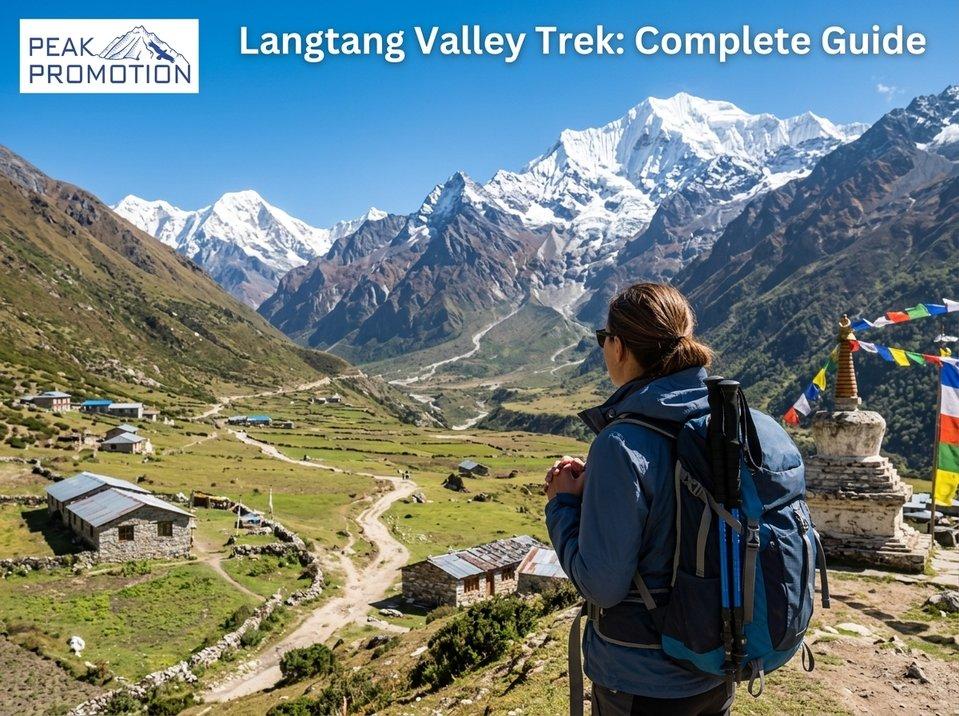
✦ Langtang Valley Trek
Langtang National Park identifies October–November and March–May as its best seasons.
Winter can bring snow at higher elevations, while the June–September monsoon can make trails wetter.
Recommended: October–November and March–May.
Best Time for Trekking Based on What You Want
The best trekking month also depends on your priorities.
▸ For the clearest mountain views
Choose:
October–November
Post-monsoon conditions can provide excellent visibility.
▸ For rhododendron flowers
Choose:
March–April
Spring transforms many middle-hill trails into colorful landscapes.
▸ For fewer crowds
Consider:
December–February
or suitable monsoon destinations.
However, fewer people can also mean colder conditions and reduced availability on some high-altitude routes.
▸ For warm trekking conditions
Choose:
March–May
Spring generally becomes warmer as the season progresses.
▸ For high-altitude trekking
Generally consider:
March–May and September–November
The exact route and altitude remain important.
▸ For monsoon trekking
Choose:
Rain-shadow regions such as Mustang, parts of Manang and Dolpa.
▸ For photography
Consider:
October–November and March–April
These periods can combine mountain visibility with attractive landscapes.
Is Winter Trekking in Nepal Possible?
Yes.
Nepal can be visited throughout the year, and winter does not automatically mean trekking is impossible.
The important consideration is altitude.
Nepal Tourism Board notes that temperatures can fall below zero in mountainous areas and that temperatures generally decrease as elevation increases.
Lower-altitude treks can therefore be much more comfortable in winter than high mountain passes.
Before choosing a winter trek, consider:
- Maximum altitude
- Snow conditions
- Pass crossings
- Accommodation availability
- Weather forecasts
- Guide recommendations
- Appropriate winter equipment
Can You Trek Nepal During the Monsoon?
Yes, but route selection becomes particularly important.
The traditional trekking regions receive substantial rainfall during the monsoon, which can affect trails, roads and visibility.
However, the Himalayas create rain-shadow areas where precipitation is significantly lower.
Popular monsoon alternatives include:
- Upper Mustang
- Parts of Manang
- Dolpa
These regions can provide a very different trekking experience, with dry landscapes and distinctive Tibetan-influenced culture.
Is Autumn Better Than Spring for Trekking in Nepal?
There is no universal winner.
Both seasons are excellent, but they offer different experiences.
| Factor | Spring | Autumn |
| Mountain views | Excellent | Excellent |
| Weather | Generally favorable | Generally stable |
| Flowers | Excellent | Limited |
| Greenery | Increasing | Post-monsoon |
| Temperatures | Becoming warmer | Gradually becoming cooler |
| Expedition activity | Very high | High |
| Crowds | Moderate–High | High |
| Photography | Excellent | Excellent |
Choose spring if you love flowers, warmer conditions and the atmosphere of the Himalayan climbing season.
Choose autumn if your priority is clear skies, stable conditions and mountain photography.
How Weather Changes With Altitude?
Nepal's trekking weather cannot be judged only by the calendar.
Altitude makes a major difference.
A sunny day in Kathmandu does not mean the weather will be the same at 4,000 or 5,000 meters.
Nepal Tourism Board notes that average temperatures decrease by around 6°C for every 1,000 meters of elevation gained.
As you climb higher, expect:
- Colder nights
- Stronger winds
- Greater exposure to weather
- Possible snowfall
- More rapid weather changes
- Greater importance of acclimatization
This is why a trekker should evaluate both season and altitude before choosing an itinerary.
How to Choose the Right Month for Your Trek?
Ask yourself these five questions before booking.
✔ What route do I want to trek?
Everest, Annapurna, Langtang, Manaslu and Mustang all have different geographical and climatic characteristics.
✔ What altitude will I reach?
A low-altitude village trek and a 5,000-meter pass require very different seasonal planning.
✔ Do I prioritize clear views or fewer crowds?
October and November can provide excellent visibility but are also popular.
✔ Am I comfortable trekking in cold weather?
Winter can offer peaceful trails but requires appropriate clothing and equipment.
✔ Am I flexible with my itinerary?
Weather can change in the mountains.
A flexible itinerary allows your guide and trekking agency to make sensible adjustments when conditions change.
What to Pack Based on the Season?
Your packing list should change according to the month and altitude.
▸ Spring
Consider:
- Lightweight layers
- Fleece
- Waterproof jacket
- Sun protection
- Trekking boots
- Warm sleeping layer
- Rain protection for late spring
▸ Summer/Monsoon
Pack:
- Waterproof jacket
- Rain trousers
- Backpack rain cover
- Waterproof bags
- Quick-drying clothing
- Trekking poles
- Extra socks
- Insect protection
▸ Autumn
Bring:
- Layering system
- Fleece
- Down jacket for higher elevations
- Waterproof shell
- Sun protection
- Warm gloves and hat
▸ Winter
Expect to need:
- Warm down jacket
- Thermal layers
- Insulated gloves
- Warm hat
- Thick trekking socks
- Suitable sleeping bag
- Strong trekking boots
- Additional cold-weather equipment for high elevations
Your exact gear should be based on the route, altitude, duration and expected conditions.
Why Choosing the Right Season Matters?
Choosing the right trekking season is not only about having better photographs.
It can influence:
- Trail conditions
- Mountain visibility
- Temperature
- Accommodation availability
- Transportation
- Pass crossings
- Overall comfort
- Safety
- Trekking pace
- Experience of the landscape
A well-selected season can make a demanding trek significantly more enjoyable.
Should You Book Nepal Trekking in Peak Season?
If you plan to trek during April, October or November, advance planning is recommended.
Peak seasons attract trekkers from around the world, particularly on routes such as Everest and Annapurna.
Advance planning can help with:
- Flights
- Accommodation
- Guides
- Permits
- TIMS requirements
- Transportation
- Equipment
- Contingency planning
Current trekking requirements can also vary by route, so check the latest Nepal Tourism Board regulations before departure.
Why Trek With a Local Nepal Trekking Company?
Seasonal planning becomes more useful when combined with local knowledge.
An experienced trekking company can help you evaluate:
- Current trail conditions
- Weather patterns
- Route alternatives
- Accommodation
- Transportation
- Required permits
- Guide arrangements
- Acclimatization schedules
- Emergency planning
For high-altitude trekking, this local support can be particularly valuable because conditions can change quickly.
Peak Promotion Nepal provides trekking, expedition and Himalayan support services across Nepal, with routes covering destinations such as Everest, Annapurna and other major Himalayan regions.
Frequently Asked Questions (FAQ's):
Q. What is the best time to trek in Nepal?
The best time for most classic trekking routes is spring (March–May) and autumn (September–November). October and November are particularly popular for clear mountain views.
Q. Which month is best for trekking in Nepal?
October is often one of the strongest choices for general trekking because of favorable autumn conditions and excellent mountain visibility. April is another excellent option.
Q. Is March a good month for trekking in Nepal?
Yes. March marks the beginning of the main spring trekking season, with increasingly favorable temperatures and beautiful spring landscapes.
Q. Is April good for Everest Base Camp?
Yes. April is one of the popular months for the Everest region, with generally favorable spring conditions and significant expedition activity.
Q. Is May good for trekking in Nepal?
Yes, especially for higher-altitude trekking and expeditions. However, pre-monsoon conditions can become more noticeable toward the end of the month.
Q. Can I trek in Nepal during June, July or August?
Yes, but monsoon conditions affect many classic trekking routes. Rain-shadow regions such as Mustang, parts of Manang and Dolpa can be better choices.
Q. Is October the best month for Everest Base Camp?
October is one of the most popular periods for Everest Base Camp because autumn generally provides stable weather and excellent visibility.
Q. Can I trek in Nepal in December?
Yes. December can be good for lower and moderate-altitude routes, but high-altitude areas can be extremely cold and snowy.
Q. Is winter trekking in Nepal safe?
Winter trekking can be safe with appropriate preparation and route selection. High-altitude snow, cold temperatures and difficult passes require additional planning.
Q. What is the best season for Annapurna trekking?
Spring and autumn are generally the most favorable seasons for major Annapurna routes.
Q. What is the best season for Langtang Valley Trek?
March–May and October–November are generally considered the best periods. Langtang National Park specifically identifies these periods as its best seasons.
Q. When is Nepal least crowded for trekking?
Winter and monsoon months generally see fewer trekkers than spring and autumn, although conditions can be more challenging depending on the route.
Final Thoughts: When Should You Trek in Nepal?
There is no single month that is perfect for every trekker and every route.
For most travelers, however, spring and autumn provide the best overall combination of weather, trail conditions and mountain scenery.
If you want the classic Himalayan experience, consider:
March–May for spring landscapes and warmer conditions.
September–November for post-monsoon clarity and excellent mountain views.
If you want fewer crowds, winter can be rewarding on suitable lower-altitude routes.
If you want to trek during the monsoon, consider rain-shadow destinations such as Mustang, Manang and Dolpa rather than assuming every region experiences the same weather.
Most importantly, choose your route, altitude and season together.
The right trekking month is the one that matches your destination, fitness, experience, preferred weather and the type of Himalayan experience you want.
Ready to Trek Nepal?
Explore Nepal's Himalayas with experienced local support, carefully planned routes and reliable trekking logistics.
Peak Promotion Pvt. Ltd.
Contact: +977 9841135705
Email: info@peakpromotionnepal.com
Location: Lazimpat, Kathmandu 44600, Nepal
Plan Your Trek with Peak Promotion Nepal.