How to Train for Trekking in Nepal: Complete Fitness and Preparation Guide
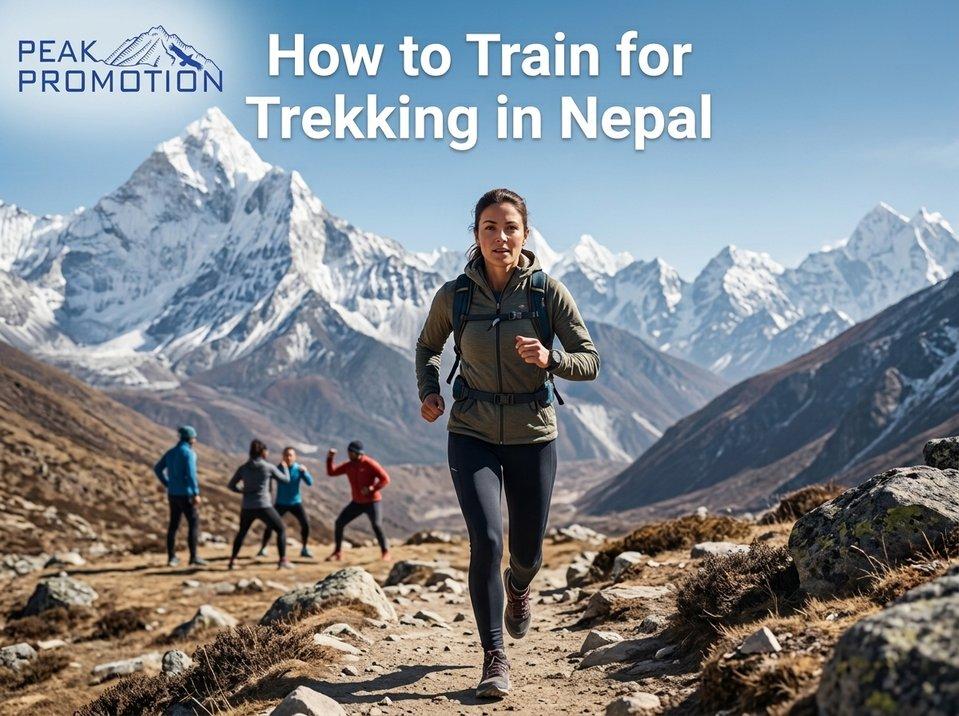
Knowing how to train for trekking in Nepal can make a significant difference to your comfort, confidence and enjoyment on the trail. Nepal offers incredible Himalayan scenery, traditional mountain villages, dramatic valleys and routes that range from relatively short hikes to demanding high-altitude adventures.
However, trekking in Nepal can be physically challenging. Depending on your itinerary, you may walk for several hours a day, climb long staircases, navigate rocky or uneven trails, carry a daypack and repeat the effort over consecutive days. Some routes also involve cold weather, remote terrain and elevations above 4,000 or 5,000 metres.
The good news is that you do not need to be a professional athlete to prepare for most trekking routes. A consistent training routine that combines cardiovascular endurance, leg and core strength, balance, and regular hiking practice can help you prepare for the physical demands of the journey.
This guide explains how to build a practical trekking training plan, how many weeks to prepare, which exercises to prioritize, and how to adapt your preparation to your chosen Nepal trek.
Important: Physical fitness helps you manage the effort of trekking, but it does not prevent altitude sickness. Acclimatization, a suitable itinerary and recognizing symptoms of altitude illness remain essential.
1. Understand the Physical Demands of Trekking in Nepal
Before beginning your training, understand what your chosen trek will require. A short lower-altitude trek has different demands from a multi-day journey to Everest Base Camp or a route crossing a high mountain pass.
Most trekking routes combine several types of physical effort.
| Physical demand | Why it matters | How to train |
| Cardiovascular endurance | Helps you sustain hours of walking | Brisk walking, cycling, jogging or swimming |
| Leg strength | Supports uphill walking and repeated steps | Squats, step-ups, lunges and stair climbing |
| Muscular endurance | Helps your muscles work over consecutive trekking days | Longer walks and repeated low-to-moderate intensity exercises |
| Core stability | Supports posture while walking with a backpack | Planks, bird dogs and dead bugs |
| Balance and coordination | Helps you negotiate uneven trails | Single-leg balance and controlled step-downs |
| Downhill control | Helps manage descents and reduce excessive fatigue | Step-downs, controlled lunges and downhill hiking practice |
| Recovery capacity | Helps you prepare for consecutive walking days | Gradually increasing training volume and scheduling rest |
The challenge is not necessarily one difficult climb. It is often the combination of climbing, descending, walking for hours and doing it again the next morning.
Nepal Tourism Board notes that trekking routes cover a wide range of elevations, with some popular areas extending above 5,000 metres. This makes route-specific preparation particularly important.
2. How Early Should You Start Training?
For many people, 8–12 weeks of preparation is a practical starting point for a demanding trek, particularly if they are not already active. Shorter or easier routes may require less preparation, while people starting from a low fitness level may benefit from a longer build-up.
Use the following timelines as general planning estimates, not guarantees of readiness.
| Trek type | Example routes | Suggested preparation |
| Short and relatively moderate | Ghorepani Poon Hill, Ghandruk-area hikes | Around 4–6 weeks if already reasonably active |
| Moderate multi-day trek | Mardi Himal, Langtang Valley | Around 6–8 weeks, depending on current fitness |
| Longer or more demanding trek | Everest Base Camp, Annapurna Base Camp | Around 8–12 weeks or longer |
| High passes or strenuous remote routes | Manaslu Circuit and routes with high mountain passes | Around 10–12 weeks or more, depending on experience and fitness |
These estimates are not strict requirements. Your current fitness, age, previous hiking experience, health, itinerary and daily elevation changes all affect how much preparation you need.
If you have been inactive, begin gently and increase the workload gradually. If you have a chronic health condition, significant joint problems or concerns about exercising at higher intensity, seek advice from a qualified healthcare professional before starting a strenuous program.
3. Build Cardiovascular Endurance
Cardiovascular training is one of the foundations of trekking preparation. It helps you sustain physical activity for longer periods without becoming excessively fatigued.
You do not need to run long distances. Brisk walking, cycling, swimming, jogging and using a treadmill with an incline can all help improve endurance.
Best cardio exercises for trekking
- Brisk walking: A practical starting point for beginners. Begin with a comfortable duration and gradually extend your walks.
- Incline treadmill walking: Simulates uphill movement without requiring access to a mountain trail.
- Cycling: Develops cardiovascular endurance while generally placing less impact on the joints than running.
- Stair climbing: Helps prepare your legs and cardiovascular system for the repeated ascents common on Nepal's trekking trails.
- Jogging: An option for people who already tolerate running comfortably. It is not essential for trekking preparation.
How often should you train?
Aim for approximately three to four cardiovascular sessions each week, adjusting the duration and intensity to your current fitness.
A beginner might start with 20–30 minutes of brisk walking. Over time, build toward longer sessions of 45–60 minutes or more, as tolerated. Include a longer walk each week to develop endurance for extended days on the trail.
Most sessions should feel manageable enough that you can speak in sentences. Hard intervals are optional, not essential.
The goal is to become comfortable with sustained movement, not to exhaust yourself during every workout.
4. Strengthen Your Legs for Uphill and Downhill Walking
Strong legs help you manage steep ascents, long staircases and repeated descents. Strength training also allows you to practise controlled movements before facing uneven terrain with a backpack.
You do not need a gym membership. Many useful exercises can be performed at home using body weight, a sturdy step and, when appropriate, light weights.
Essential leg-strength exercises:
▸ Bodyweight squats
Squats strengthen the quadriceps, glutes and other muscles used during climbing and standing up from a low position.
- Start with 2–3 sets of 8–12 repetitions.
- Keep your feet stable and knees tracking in line with your toes.
- Use a comfortable range of motion.
▸ Step-ups
Step-ups closely resemble the repeated stepping action required on uphill trails and stone staircases.
- Use a stable, low step to begin.
- Complete 2–3 sets of 8–10 repetitions per leg.
- Increase the step height only when you can maintain control.
▸ Reverse lunges
Reverse lunges develop leg strength and coordination.
- Start with 2 sets of 6–10 repetitions per leg.
- Use a wall or sturdy support if you need help with balance.
- Stop if the movement causes pain.
▸ Calf raises
Calf raises strengthen the lower-leg muscles used during walking and climbing.
- Begin with 2–3 sets of 12–15 repetitions.
- Hold a support if necessary.
- Progress gradually rather than rushing into high repetitions.
Why downhill training matters?
Many trekkers spend considerable time preparing for uphill climbs but overlook descents. Walking downhill repeatedly requires your muscles to control movement while absorbing load. Long descents can leave your thighs sore and may aggravate knee problems.
Practice controlled step-downs and lower-height descents before attempting steep downhill sessions. Increase the difficulty gradually and use appropriate footwear.
If you experience persistent joint pain, swelling or instability, stop the aggravating exercise and seek professional advice.
5. Improve Core Strength and Balance
Your core muscles help stabilize your torso, particularly when walking with a daypack or navigating uneven ground. Balance training can also help you control each step.
Include two short core and balance sessions each week.
| Exercise | Starting target | Benefit |
| Plank | 2–3 sets of 15–30 seconds | Trunk stability |
| Bird dog | 2 sets of 8–10 per side | Coordination and core control |
| Dead bug | 2 sets of 8–10 per side | Abdominal control |
| Single-leg balance | 2–3 rounds of 20–30 seconds per leg | Balance and stability |
| Controlled step-down | 2 sets of 6–10 per leg | Downhill movement control |
Choose versions that allow you to maintain good technique. Increase the duration or repetitions gradually rather than adding every exercise at once.
You do not need to train until exhaustion. The purpose is to build consistent, controlled movement that supports your walking.
6. Practise Hiking Before Your Nepal Trek
Gym training is useful, but it cannot completely reproduce the demands of a real trek. Hiking practice helps you learn how your body responds to uneven surfaces, longer walking periods, footwear and a backpack.
Start with familiar local walking routes and progress toward longer hikes with gradual elevation gain.
A practical hiking progression
- Early weeks: Walk on flat paths for 30–60 minutes. Focus on comfortable pacing and consistent movement.
- Middle weeks: Add hills, stairs or uneven trails. Increase your walking duration as your fitness improves.
- Later weeks: Practise longer hikes with some elevation gain and a daypack similar to the one you expect to carry.
- Final weeks: Complete a few realistic, controlled training hikes, including a longer day followed by an easier walk the next day if recovery permits.
Do not suddenly jump from short walks to a full-day mountain hike. Abrupt increases in distance, elevation or pack weight can raise the risk of injury.
Practise consecutive walking days
Multi-day trekking is different from completing one long hike. Your legs may still be tired when the next day's walk begins.
When your fitness allows, practise walking on two consecutive days. For example, complete a moderate hike on Saturday and an easier walk on Sunday.
You do not need to make every training day difficult. The purpose is to learn how to manage effort and recover between sessions.
7. Train With a Backpack
Your backpack adds load to your shoulders, back and legs. Training with it can help you adjust to carrying your essentials over several hours.
However, start with a light pack rather than immediately using your expected trekking load.
Backpack training tips:
- Begin with a comfortable, lightly loaded daypack.
- Adjust the shoulder straps and hip belt so the pack sits securely.
- Walk for 20–30 minutes and assess comfort.
- Gradually increase walking duration before adding much more weight.
- Practice on gentle hills and stairs when ready.
- Stop and adjust the pack if you develop rubbing, numbness or persistent discomfort.
For many guided treks, porters or other logistics arrangements may carry the main luggage, while trekkers carry a smaller daypack. Confirm your specific package and luggage allowance before training.
Your practice pack should reflect what you will actually carry rather than an unnecessarily heavy load.
8. A 12-Week Training Plan for Trekking in Nepal
The following schedule provides a general framework for an otherwise healthy adult preparing for a moderate or demanding trek. Adjust it to your current fitness, and repeat a phase if you need more time to adapt.
Weeks 1–4: Build a foundation
Goal: Establish consistency and prepare your body for regular exercise.
- Complete three cardio sessions per week, starting with 20–40 minutes each.
- Perform two strength sessions per week.
- Add short walks on other days if comfortable.
- Practise basic balance and core exercises.
- Take at least one full rest or recovery day each week.
Keep most exercise at an easy-to-moderate intensity. If you are starting from a low activity level, shorter sessions are appropriate.
Weeks 5–8: Develop endurance and climbing strength
Goal: Increase your ability to walk for longer and manage elevation gain.
- Complete three or four cardio sessions per week.
- Include one hill, incline treadmill or stair-climbing session.
- Continue two strength sessions per week.
- Add one longer hike or walk each week.
- Begin using a light daypack on selected walks.
- If recovery is good, practise two consecutive walking days occasionally.
Gradually increase one major training variable at a time, such as duration, elevation or pack load.
Weeks 9–11: Practise trekking conditions
Goal: Build confidence with longer walks and repeated effort.
- Complete one longer hike each week, appropriate to your ability.
- Maintain two strength sessions, reducing the workload if fatigue accumulates.
- Continue moderate cardio sessions.
- Practise with your trekking footwear, socks and daypack.
- Include a second consecutive walking day when appropriate.
- Prioritize sleep, recovery and adequate food intake.
The longest hike should challenge you without leaving you unable to recover. Avoid testing your maximum distance simply to prove fitness.
Week 12: Reduce training and prepare
Goal: Arrive rested rather than exhausted.
- Reduce total training volume.
- Keep a few short, comfortable walks.
- Avoid unfamiliar, high-intensity workouts.
- Check your footwear, clothing and trekking equipment.
- Review your itinerary, travel arrangements and acclimatization days.
- Get adequate sleep and avoid trying to make up missed training sessions.
If your trek begins earlier than 12 weeks from now, focus on consistent, safe preparation rather than attempting to compress the whole plan into a few days.
Example weekly schedule
| Day | Activity |
| Monday | Moderate cardio + short core session |
| Tuesday | Leg-strength workout |
| Wednesday | Brisk walk, cycling or easy cardio |
| Thursday | Stair or incline training |
| Friday | Rest or gentle mobility work |
| Saturday | Longer hike with a light daypack |
| Sunday | Easy recovery walk or rest |
This is an example, not a mandatory routine. Shift the days around your work schedule and recovery needs. If you are new to exercise, begin with fewer sessions and build up.
9. How to Prepare for Different Nepal Treks
Your training should reflect your chosen route. Consider the daily walking hours, elevation gain and loss, terrain, itinerary length and the amount of luggage you will carry.
| Trek | Training priorities | Preparation considerations |
| Ghorepani Poon Hill | Brisk walking, stairs and leg endurance | Practise sustained climbing and descending |
| Mardi Himal | Uphill endurance, balance and hiking practice | Include uneven trails and repeated elevation gain |
| Langtang Valley | Endurance, leg strength and consecutive-day walking | Build up to longer hikes and carry a comfortable daypack |
| Annapurna Base Camp | Cardio, stair climbing and downhill control | Prepare for repeated ascents and descents |
| Everest Base Camp | Longer walking sessions, leg strength and recovery | Practise multi-day walking and plan adequate acclimatization |
| Manaslu Circuit | Sustained endurance, climbing and descending | Prepare for a longer trek and discuss the route's demands with your guide or operator |
These routes vary in difficulty, and individual itineraries differ. A trek's training requirements depend on more than its maximum altitude alone.
Explore Peak Promotion Nepal's trekking routes to compare potential itineraries, and review the Everest Base Camp Trek if you are considering a classic Himalayan journey.
10. Does Being Fit Prevent Altitude Sickness?
No. This is one of the most important things to understand when preparing for trekking in Nepal.
Good physical conditioning can help you cope with the walking effort, but it does not make you immune to acute mountain sickness (AMS), high-altitude cerebral edema (HACE) or high-altitude pulmonary edema (HAPE).
Altitude illness risk depends on factors such as sleeping altitude, how quickly you ascend and individual susceptibility. Even experienced and physically fit trekkers can become ill.
How to reduce altitude-related risk?
- Follow an itinerary that allows gradual ascent and appropriate acclimatization.
- Avoid increasing sleeping altitude too quickly.
- Include rest or acclimatization days where appropriate.
- Tell your guide promptly if you develop a headache, nausea, dizziness or unusual fatigue at altitude.
- Do not ascend to sleep higher if you have symptoms of altitude illness.
- Seek urgent help and descend when symptoms worsen or severe symptoms develop.
Confusion, difficulty walking straight, breathlessness at rest or a worsening condition at altitude can signal a medical emergency. Do not try to train through these symptoms.
For detailed guidance, read the CDC's high-altitude travel and altitude illness guidance.
11. Nutrition, Hydration and Recovery
Training works best when you give your body enough time and resources to adapt.
▸ Eat enough to support training
Include a balanced mix of carbohydrates, protein, healthy fats, fruit and vegetables. Carbohydrates provide energy for walking and workouts, while protein supports muscle repair.
You do not need an expensive supplement plan. Regular meals and suitable snacks can support most recreational trekking preparation.
▸ Stay hydrated
Drink regularly and adjust fluid intake to your activity level, temperature and personal needs. Avoid both deliberate dehydration and forcing excessive amounts of water.
During longer walks, practise carrying and using the hydration system you plan to take on your trek.
▸ Prioritize sleep and recovery
Aim for a consistent sleep schedule and allow time between demanding sessions. Persistent fatigue, declining performance, unusual soreness or disrupted sleep may mean you need to reduce your training load.
Recovery is part of preparation, not time wasted.
12. Footwear, Socks and Equipment Practice
Fitness alone is not enough if your footwear causes blisters or your backpack fits poorly.
Before travelling to Nepal, test your equipment on multiple walks.
Footwear: Choose suitable trekking shoes or boots based on the terrain, fit and personal preference. They should feel secure and comfortable, with enough room for your toes on descents.
Socks: Test the socks you plan to wear. Avoid introducing unfamiliar socks for the first time on a long trekking day.
Daypack: Adjust the straps and hip belt. Pack the essentials you expect to carry and check how the load feels.
Trekking poles: If you intend to use poles, practise adjusting and walking with them before your trip.
Layers: Practise managing clothing as your body temperature changes during uphill walking, rest stops and windy conditions.
Do not assume that expensive equipment will solve poor fit. Comfort, appropriate use and familiarity matter more than appearance.
13. Common Training Mistakes to Avoid
Avoid these common errors when preparing for a Nepal trek.
- Starting too late: Last-minute intense exercise is unlikely to build endurance safely.
- Training only on flat ground: Hills and stairs can be useful for developing climbing-specific fitness.
- Ignoring downhill movement: Descents can be demanding even when the ascent felt manageable.
- Increasing training too quickly: Rapid increases in distance, elevation or pack weight can cause overuse injuries.
- Doing only strength training: Trekking also requires sustained cardiovascular endurance.
- Skipping recovery: Constant hard sessions can lead to accumulated fatigue.
- Wearing new footwear on the trek: Test your footwear and socks beforehand.
- Assuming fitness prevents altitude sickness: Acclimatization and symptom awareness remain essential.
- Copying someone else's plan: A routine suitable for an experienced hiker may be too demanding for a beginner.
- Ignoring pain or illness: Modify or stop training when necessary and seek appropriate medical advice for persistent or concerning symptoms.
14. Your Pre-Trek Training Checklist
Use this checklist during the final weeks before departure.
- I have built up my walking duration gradually.
- I have practised hills, stairs or elevation gain.
- I have completed leg-strength and core exercises.
- I have practised walking on consecutive days, when appropriate.
- I have tested my footwear, socks and daypack.
- I know the approximate daily walking demands of my itinerary.
- I have reviewed the route's altitude profile and acclimatization schedule.
- I understand the symptoms of altitude illness and when to seek help.
- I have confirmed my trekking arrangements, permits and guide requirements.
- I am allowing time to recover before departure.
You do not have to complete every item perfectly. Use the checklist to identify gaps and make sensible adjustments before the trip.
15. Plan Your Trek With Peak Promotion Nepal
Preparing physically is an important step toward enjoying the Himalayas, but a successful trek also depends on choosing an appropriate route, planning realistic daily distances and allowing time for acclimatization.
Peak Promotion Nepal supports trekkers with Himalayan trekking and expedition planning, local coordination and trekking logistics. Since every trekker has different experience and fitness levels, discuss your goals and preparation needs before choosing an itinerary.
Explore the available trekking routes or learn more about the Everest Base Camp Trek to begin planning your journey.
Frequently Asked Questions (FAQ's):
Q. How long should I train before trekking in Nepal?
Many trekkers use 8–12 weeks to prepare for a demanding route, while shorter treks may require less time. Your starting fitness, hiking experience, health and chosen itinerary determine the preparation you need.
Q. Can a beginner trek in Nepal?
Yes. Beginners can consider routes suited to their fitness, experience and available time. Start training early, choose a realistic itinerary and discuss the route's demands with a qualified trekking operator.
Q. Do I need to run to prepare for trekking?
No. Brisk walking, cycling, swimming, incline walking and stair climbing can all help develop cardiovascular endurance. Running is optional if you already enjoy it and tolerate it comfortably.
Q. What exercises are best for trekking in Nepal?
Useful exercises include brisk walking, stair climbing, step-ups, squats, lunges, calf raises, planks and balance exercises. Combine them with regular hiking practice.
Q. Should I train with a backpack?
Yes, if you expect to carry a daypack. Begin with a light, comfortable load and increase duration gradually. Avoid carrying a heavy pack unnecessarily, particularly if your main luggage will be transported separately.
Q. Is Everest Base Camp trekking difficult?
Everest Base Camp is a demanding multi-day trek because of its duration, elevation, terrain and altitude. Cardiovascular endurance, leg strength, hiking practice and a well-planned acclimatization schedule are all important.
Q. Can physical fitness prevent altitude sickness?
No. Fitness may help you manage the physical effort of trekking, but it does not eliminate altitude illness risk. Gradual ascent, acclimatization and prompt action when symptoms develop are essential.
Q. Is walking every day enough to prepare for trekking?
Walking regularly is an excellent foundation. For more demanding routes, also consider hill or stair training, leg and core strength, balance work and occasional longer hikes that reflect your planned trek.
Q. Should I work out during the week before my trek?
Reduce your training volume during the final days and prioritize sleep, hydration, nutrition and equipment checks. Avoid exhausting workouts or unfamiliar exercises immediately before departure.
Q. Do I need a guide for trekking in Nepal?
Requirements depend on the route and current regulations. Nepal Tourism Board lists specific trekking routes where trekkers must be accompanied by a licensed guide and carry an agency-issued TIMS card. Confirm the latest rules for your exact itinerary before departure.
Ready to Trek Nepal?
Explore Nepal's Himalayas with experienced local support, carefully planned routes and reliable trekking logistics.
Peak Promotion Pvt. Ltd.
Contact: +977 9841135705
Email: info@peakpromotionnepal.com
Location: Lazimpat, Kathmandu 44600, Nepal
Plan Your Trek with Peak Promotion Nepal.