Discover the Natural Beauty of Rara Lake
Nepal is famous for its Himalayan peaks, challenging trekking routes and traditional mountain villages. Yet some of its most memorable travel experiences lie beyond the country's busiest trekking destinations. The Rara Lake Trek takes visitors to a remote corner of western Nepal, where a remarkable blue lake sits among forested hills and the landscapes of the Karnali region.
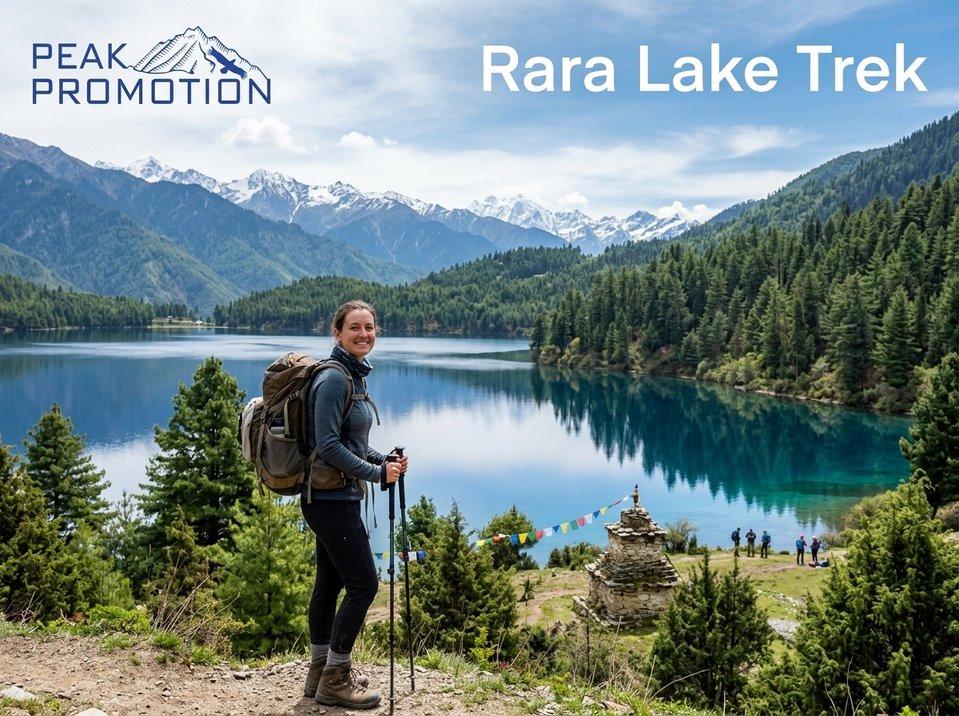
Located in Mugu district within Rara National Park, Rara Lake is Nepal's largest lake. At approximately 2,990 meters above sea level, it is surrounded by pine forests, mountain slopes and peaceful walking trails. The lake's appearance changes with the light and weather, creating striking scenery for photographers and nature enthusiasts.
Unlike treks that focus on reaching a high mountain base camp, the Rara Lake experience combines lakeside walks, forest trails, local culture and optional viewpoints such as Murma Top. Visitors can also explore the wider Karnali region, including routes through Jumla and the historic Sinja Valley.
Getting there requires planning. Flights to remote airstrips can be affected by weather, road journeys may be long, and accommodation is generally simpler than on Nepal's most developed trekking routes.
This complete guide to the Rara Lake Trek covers the best time to visit, travel routes, itinerary, difficulty, permits, estimated costs, accommodation, packing essentials and practical tips for planning your trip.
Where Is Rara Lake Located?
Rara Lake lies in Mugu district of Karnali Province, northwestern Nepal. It is the main natural attraction of Rara National Park, a protected area known for its lake, coniferous forests, birdlife and other wildlife.
The destination is relatively remote compared with trekking hubs such as Pokhara and the Everest region. However, travelers can reach the lake through a combination of domestic flights and walking, or choose a longer overland journey through western Nepal.
Rara Lake Trek: Quick Facts
| Trekking Information | Details |
| Location | Mugu district, Karnali Province, Nepal |
| Main attraction | Rara Lake, Nepal's largest lake |
| Lake altitude | Approximately 2,990 m |
| Protected area | Rara National Park |
| Typical short trip | Around 6–8 days, including travel, depending on connections |
| Classic walking trek | Often around 9–12 days or longer, depending on the route |
| Common access | Kathmandu–Nepalgunj–Talcha, followed by a walk |
| Alternative approach | Trek from Jumla or travel overland |
| Difficulty | Easy to moderate around the lake; moderate to challenging on longer routes |
| Best seasons | Spring and autumn |
| Main highlights | Lakeside trails, pine forests, wildlife, birdwatching and Murma Top views |
| Accommodation | Local lodges, guesthouses and camping arrangements, depending on route |
Travel duration varies considerably with transport, flight schedules, route selection and weather. Confirm the current itinerary with your trekking provider.
Why Choose the Rara Lake Trek?
Rara Lake offers a different kind of Himalayan adventure. Rather than focusing on extreme altitude or technical climbing, the experience centers on the natural environment, quieter trails and the opportunity to explore one of Nepal's less-visited regions.
✔ Experience Nepal's Largest Lake
The lake is the main reason many travelers visit Rara. Its blue water, surrounding forest and changing reflections create a distinctive landscape that can be enjoyed from different points along the shore.
The scenery varies with the time of day, season and weather. Clear conditions may reveal distant mountain views, while mist and changing light can create a quieter atmosphere around the water.
✔ Explore Rara National Park
The protected area contains forests, wetlands and habitats for numerous bird and animal species. The Nepal Tourism Board lists wildlife such as red pandas, musk deer, Himalayan black bears and other mammals among the park's fauna.
Wildlife sightings are never guaranteed. Visitors should remain quiet, keep their distance from animals and avoid feeding or disturbing them.
✔ Visit Murma Top
Murma Top is a popular viewpoint overlooking Rara Lake. The hike offers a broader perspective of the lake and surrounding landscape than the shoreline alone.
The climb is more demanding than a relaxed lakeside walk, so consider the weather, your fitness and the available daylight before setting out. Ask a local guide about the current trail condition and the appropriate route.
✔ Experience the Karnali Region
The journey to Rara may introduce travelers to rural settlements, traditional lifestyles and landscapes that differ from Nepal's more commercialized tourist areas.
A longer trek via Jumla can add historical and cultural interest, including the Sinja Valley, associated with the history of the Khas kingdom and the development of the Nepali language.
✔ Enjoy a Less-Crowded Destination
Rara can appeal to travelers seeking a quieter alternative to heavily visited trekking corridors. Visitor numbers still vary by season, holidays and transport access, so solitude is not guaranteed.
The attraction is the combination of a beautiful lake, forested trails and the slower pace of travel in western Nepal.
Best Time for the Rara Lake Trek
The right season can improve visibility, walking conditions and access to the region. Nepal Tourism Board identifies February–April and October–November as favorable periods for visiting Rara National Park.
▸ Spring: March to May
Spring is an attractive time to visit Rara. Forests begin to show seasonal changes, and conditions can be pleasant for walking when the weather is stable.
Advantages:
- Opportunities for forest and mountain photography.
- Comfortable daytime conditions during suitable weather.
- Seasonal vegetation and flowers in the surrounding region.
- Good conditions for exploring the lake and nearby viewpoints when trails are clear.
Early spring can still be cold, particularly in the mornings and evenings. Weather can also vary between lower elevations and the lake area.
▸ Autumn: September to November
Autumn is another strong option for the Rara Lake Trek. After the monsoon begins to withdraw, visibility may improve and the surrounding landscape can appear especially clear.
Advantages:
- Good opportunities for panoramic lake views.
- Generally favorable walking conditions.
- Pleasant temperatures during suitable weather.
- Opportunities for birdwatching and photography.
Early autumn may still experience rainfall, and flight operations can be affected by weather at any time.
▸ Summer and Monsoon: June to August
The monsoon brings rainfall to much of Nepal, including western regions. Trails may become slippery, and landslides or road disruptions can affect travel.
If you plan to visit during this period:
- Check local weather and road conditions.
- Carry waterproof clothing and dry bags.
- Allow flexibility in your schedule.
- Use suitable footwear for muddy trails.
- Follow local advice about unsafe roads and walking routes.
The lush scenery can be attractive, but transport and trail conditions require additional caution.
▸ Winter: December to February
Winter can bring cold mornings, freezing nights and snow in higher surrounding areas. The lake's altitude is lower than many major Himalayan trekking destinations, but winter conditions can still affect walking routes, transport and available services.
Bring suitable cold-weather clothing and confirm local conditions before departure. If your trip includes higher viewpoints, check whether snow or ice makes the route unsafe.
Seasonal Comparison
| Season | Main Advantages | Considerations |
| Spring | Forest scenery and favorable walking opportunities | Cold mornings and variable mountain weather |
| Autumn | Often clear views and comfortable trekking conditions | Early-season rain and possible flight delays |
| Monsoon | Lush landscapes and fewer visitors at some times | Slippery trails, rain and possible road disruptions |
| Winter | Quiet atmosphere and winter scenery | Cold temperatures, possible snow and limited services |
Recommendation: Spring and autumn are generally the most practical seasons for planning the Rara Lake Trek. Build flexibility into your travel dates, particularly if your itinerary depends on flights to Talcha.
How to Reach Rara Lake From Kathmandu?
There are several ways to reach Rara, and the best option depends on your available time, budget and preferred travel style.
Option 1: Fly to Talcha and Walk to Rara Lake
A common approach is to fly from Kathmandu to Nepalgunj, connect to a flight to Talcha Airport and continue on foot to the lake.
The Nepal Tourism Board describes this access route as a flight from Kathmandu to Nepalgunj, followed by a flight to Talcha and a roughly two-hour trek to Rara Lake. Actual walking time depends on the trail, pace and conditions.
This is a practical option for travelers with limited time, but remote flights can be delayed or canceled due to weather.
Option 2: Trek From Jumla
Travelers who want a longer walking experience can reach Jumla and follow a trekking route toward Rara Lake.
Depending on the selected itinerary, the route can pass through forested hills, settlements and Sinja Valley before reaching the lake. The return journey may follow the same route or a different trail.
This approach offers a deeper trekking experience but requires more time, preparation and arrangements for overnight stops.
Option 3: Travel Overland Through Western Nepal
An overland journey can take you through parts of western Nepal before reaching the Rara region. This option may suit travelers who enjoy long road journeys and want to experience the wider Karnali landscape.
However, road travel can take several days, depending on the starting point, route and conditions. Road access and travel times should be confirmed before booking.
Which Route Should You Choose?
| Travel Option | Best For | Main Consideration |
| Flight via Nepalgunj and Talcha | Travelers with limited time | Weather-dependent flights |
| Walking route via Jumla | Trekkers wanting a longer journey | More walking days and overnight planning |
| Overland route | Travelers interested in a road adventure | Long travel time and variable road conditions |
Rara Lake Trek Itinerary
The following is an illustrative eight-day itinerary using the Talcha access route. It includes time to explore the lake and hike to a viewpoint, with a buffer day to help manage potential flight disruptions.
The schedule is not fixed. Depending on flight availability, you may need extra nights in Nepalgunj or at the destination.
Day 1: Kathmandu to Nepalgunj
Fly from Kathmandu to Nepalgunj and transfer to your accommodation.
Use the remaining time to check your equipment, purchase any missing supplies and prepare for the onward flight.
Highlights:
- Domestic flight to western Nepal.
- Preparation for the remote mountain journey.
- Time to organize essential supplies.
Overnight: Nepalgunj.
Day 2: Nepalgunj to Talcha and Trek to Rara Lake
Take the scheduled flight to Talcha, subject to weather and airline operations. From the airstrip, walk toward Rara Lake along the established trail.
The journey provides the first experience of the region's forested landscape. After arriving, settle into your accommodation and enjoy the lake if conditions allow.
Highlights:
- Mountain flight toward the Rara region.
- Forest trail.
- First views of Rara Lake.
Overnight: Near Rara Lake, depending on available accommodation.
Day 3: Explore the Shoreline of Rara Lake
Spend the day walking along designated lakeside trails and enjoying the scenery.
A shoreline walk allows you to experience different views of the lake and observe the surrounding forest. Take breaks for photography and birdwatching without disturbing wildlife.
The full lake circuit may take several hours. Confirm the route length, walking time and trail conditions locally before setting out.
Highlights:
- Lakeside walking.
- Forest and water views.
- Photography and birdwatching.
Overnight: Near Rara Lake.
Day 4: Hike to Murma Top
If weather, trail conditions and your fitness allow, plan a hike to Murma Top for an elevated view of the lake.
The climb is more demanding than the shoreline walk. Start early, carry sufficient water and warm clothing, and return with enough daylight.
If visibility is poor or conditions are unsafe, choose a lower-level walk or rest day instead.
Highlights:
- Panoramic views from the viewpoint in clear conditions.
- Forest and hillside scenery.
- Opportunities for landscape photography.
Overnight: Near Rara Lake.
Day 5: Explore the Local Area or Take a Rest Day
Use this day to explore the surrounding area at a relaxed pace. Depending on current availability and local rules, you may be able to arrange additional walking, birdwatching or other suitable activities.
You can also use the day to rest, especially if you plan to undertake a longer trek or have experienced fatigue.
Highlights:
- Flexible exploration.
- Local scenery and culture.
- Time to recover before the return journey.
Overnight: Near Rara Lake.
Day 6: Return to Talcha
Walk back toward Talcha Airport according to your guide's plan and the current trail conditions.
Keep your luggage organized and confirm the next day's flight arrangements. If your itinerary allows, staying near the airstrip can help you prepare for an early departure.
Highlights:
- Return walk through the surrounding landscape.
- Final views of the Rara region.
- Preparation for onward travel.
Overnight: Talcha area or another suitable location, depending on your arrangements.
Day 7: Fly to Nepalgunj
Take the scheduled flight from Talcha to Nepalgunj, subject to weather and airline operations.
If the flight is delayed or canceled, follow your operator's advice and adjust the itinerary. Avoid booking an international flight with a tight connection that depends on the mountain flight operating exactly on time.
Overnight: Nepalgunj, if required by your connections.
Day 8: Return to Kathmandu
Continue to Kathmandu by air or according to your confirmed transport arrangements.
If your flight schedule allows, use the extra time to recover before continuing with other travel plans.
Important: This itinerary is an example for a flight-based visit. A longer trekking itinerary via Jumla may require approximately 9–12 days or more, depending on the route, walking pace and return arrangements.
How Difficult Is the Rara Lake Trek?
The difficulty of the Rara Lake Trek depends on the route you choose.
A flight-based trip with short walks around the lake is generally easier than a multi-day trekking approach from Jumla. The lake itself sits at approximately 2,990 meters, while nearby viewpoints involve additional climbing.
Factors That Affect Difficulty:
- Walking distance: Shoreline walks and viewpoint hikes can take several hours. Longer routes require sustained walking across multiple days.
- Terrain: Forest paths, uneven ground, uphill sections and potentially muddy trails require suitable footwear.
- Altitude: The lake is close to 3,000 meters, and higher viewpoints increase the physical demands. Some visitors may experience altitude-related symptoms.
- Facilities: Services can be more limited than on Nepal's busiest trekking routes. Planning for meals, accommodation and equipment is important.
- Transport: Remote flights and long road journeys can make logistics challenging even when the walking itself is manageable.
Who Can Do the Trek?
The shorter lake visit may suit travelers with a reasonable level of fitness who are comfortable walking for a few hours. The longer Jumla route is better suited to people prepared for consecutive walking days and basic facilities.
Previous hiking experience is helpful for the longer itinerary, but no single fitness level guarantees an easy experience.
Permits for Rara Lake Trek
Rara Lake lies inside Rara National Park, so visitors must follow the park's entry and conservation rules.
The Nepal Tourism Board currently lists the following entry fees on its Rara National Park page:
| Visitor Category | Published Entry Fee |
| Nepali nationals | NPR 25 per person per entry |
| SAARC nationals | NPR 1,500 per person per entry |
| Other foreign nationals | NPR 3,000 per person per entry |
These figures are taken from the published page and should be rechecked before travel, as government fees and regulations can change.
What to Check Before Visiting?
- Current Rara National Park entry fees.
- Whether additional permits apply to your chosen route.
- Any local requirements for the Jumla approach.
- Whether your trekking provider will arrange entry permits.
- The documents you should carry during the trip.
Do not assume that a permit for another trekking region automatically covers Rara National Park. Confirm the requirements with the park authority or your trekking provider before departure.
For official information, visit the Nepal Tourism Board's Rara National Park page.
Rara Lake Trek Cost
The total cost depends on how you travel, how many days you spend in the region and which services you include.
A flight-based visit may involve fewer walking days but additional airfares. A longer trek via Jumla may involve more guide services, meals, accommodation and porter arrangements.
Main Cost Components
| Expense | What Affects the Cost |
| Domestic flights | Route, airline, season and availability |
| Road transport | Vehicle type, distance and road conditions |
| Accommodation | Location, facilities and number of nights |
| Meals and drinks | Menu, location and available supplies |
| Guide services | Duration and agreed responsibilities |
| Porter services | Luggage, workload and trip length |
| National park entry | Visitor category and current official fee |
| Equipment | Purchases, rentals and camping requirements |
| Insurance | Policy coverage for trekking and evacuation |
| Contingency | Weather delays and unexpected overnight stays |
How to Budget Effectively?
Ask your trekking provider for an itemized quotation showing what is included and excluded. Confirm whether flights, airport transfers, meals, accommodation, park entry, guide services and porter arrangements are covered.
Keep additional funds available for flight delays or unexpected accommodation needs. Remote travel can be affected by weather and transport disruptions, so flexibility is important.
Avoid choosing a package based on price alone. Reliable logistics, clear communication and responsible staff arrangements are important when visiting a remote destination.
Accommodation and Food at Rara Lake
Accommodation around Rara Lake is generally simpler than what visitors may find on heavily developed trekking routes.
Depending on your itinerary and season, options may include local lodges, guesthouses or camping arrangements. Availability should be confirmed before departure, particularly for larger groups.
What to Expect From Accommodation?
You may encounter:
- Basic rooms and shared facilities.
- Limited hot water or electricity.
- Seasonal variation in available services.
- Simple dining options.
- A need to bring personal essentials.
Do not assume that every property offers the same comfort level or facilities as a city hotel.
Food and Drinking Water
Meals may include Nepali staples such as dal bhat, rice, noodles, potatoes and soups, along with other locally available foods.
Carry snacks for longer walks and communicate any dietary restrictions before arrival.
Use a reliable water-treatment method or a verified safe refill source. Avoid drinking untreated water directly from the lake or streams.
Essential Packing List for the Rara Lake Trek
Packing depends on the season, itinerary and whether you are staying in lodges or camping.
▸ Clothing
- Moisture-wicking base layers.
- Warm fleece or insulating mid-layer.
- Waterproof and wind-resistant jacket.
- Comfortable trekking trousers.
- Warm hat and gloves.
- Trekking socks and spare clothing.
- Sun hat and sunglasses.
▸ Footwear and Accessories
- Comfortable trekking shoes or boots with good grip.
- Trekking poles for uneven trails and steeper viewpoints.
- Reusable water bottles.
- Headlamp with spare batteries.
- Waterproof backpack cover or dry bags.
- Sunscreen and lip protection.
▸ Health and Safety
- Personal medication.
- Basic first-aid kit.
- Water-treatment tablets or an appropriate filter.
- Personal toiletries and hand sanitizer.
- Identification and park entry documents.
- Travel insurance details and emergency contacts.
- Offline maps or another suitable navigation resource.
- Snacks for longer walks.
▸ Additional Items for Camping
If your itinerary includes camping, confirm which equipment your operator provides. You may need a suitable sleeping bag, insulated sleeping mat, tent and other camping essentials.
Avoid carrying unnecessary weight, but do not leave out equipment needed for cold or wet weather.
Wildlife, Nature and Responsible Tourism at Rara
Rara National Park is an important natural area. Visitors should take care to minimize their impact on the lake, forests and wildlife.
✔ Protect the Lake
Never throw rubbish into the water or leave waste along the shore. Carry reusable containers where practical and take your rubbish to an appropriate disposal point.
✔ Observe Wildlife Responsibly
The park supports a variety of wildlife and bird species, but sightings are not guaranteed. Keep a respectful distance, avoid feeding animals and follow park rules.
✔ Stay on Established Trails
Avoid creating shortcuts or trampling vegetation for photographs. Follow local guidance about restricted areas and sensitive habitats.
✔ Respect Local Communities
Be considerate when photographing residents, entering village spaces or visiting cultural sites. Ask permission before taking close-up photographs and follow local customs.
✔ Follow Park Rules
Respect instructions about camping, fires, boating or other activities. Availability and restrictions can vary, so confirm what is permitted at the time of your visit.
Responsible travel helps protect the destination for future visitors and the communities that live nearby.
Is the Rara Lake Trek Worth It?
Rara Lake is an excellent option for travelers seeking a different side of Nepal. Its appeal comes from the combination of a large alpine lake, forested landscapes, wildlife, local culture and a quieter travel experience.
It may be particularly suitable if you want to:
- Visit Nepal's largest lake.
- Explore a less-commercialized destination.
- Enjoy photography and birdwatching.
- Take relaxed walks near the lake.
- Add a viewpoint hike to your itinerary.
- Experience the Karnali region.
- Combine a lake visit with a longer trek through Jumla and Sinja Valley.
However, reaching Rara requires careful logistics. Flights can be delayed, road journeys can be long, and local facilities may be basic. Travelers who plan around these realities are more likely to enjoy the journey.
Rara Lake Trek vs. Other Nepal Trekking Destinations
If you are comparing destinations, consider the amount of walking, the type of scenery and how much time you have.
| Trek | Main Attraction | General Consideration |
| Rara Lake Trek | Nepal's largest lake, forests and peaceful landscapes | Remote access and limited services |
| Ghorepani Poon Hill Trek | Sunrise views over the Annapurna region | More established trekking infrastructure |
| Langtang Valley Trek | Mountain scenery and local cultural experiences | Longer valley walk with higher-altitude sections |
| Everest Base Camp Trek | Everest region and iconic Himalayan landscapes | Longer itinerary and careful acclimatization |
| Mardi Himal Trek | Forest trails, ridgelines and close mountain views | Steeper walking and higher elevations |
Explore these trekking resources from Peak Promotion Nepal:
- All Trekking Routes
- Ghorepani Poon Hill Trek
- Langtang Valley Trek
- Everest Base Camp Trek
- Mardi Himal Trek
Frequently Asked Questions (FAQ's):
Q. Where is Rara Lake located?
Rara Lake is located in Mugu district, Karnali Province, in northwestern Nepal. It lies inside Rara National Park and is Nepal's largest lake.
Q. What is the altitude of Rara Lake?
Rara Lake is approximately 2,990 meters above sea level. Nearby viewpoints, including Murma Top, are higher and require additional uphill walking.
Q. How many days are needed for the Rara Lake Trek?
A flight-based trip may take around 6–8 days, depending on connections and the activities you include. A longer trekking route via Jumla can take approximately 9–12 days or more, depending on the itinerary.
Q. What is the best time to visit Rara Lake?
Spring and autumn are generally favorable seasons. Nepal Tourism Board identifies February–April and October–November as good periods to visit Rara National Park. Weather and transport conditions can still change.
Q. How difficult is the Rara Lake Trek?
The shorter lake visit is generally easy to moderate for travelers comfortable with several hours of walking. Longer routes via Jumla involve multiple trekking days and can be more demanding.
Q. Do I need a permit for Rara Lake?
Yes. Rara Lake lies inside Rara National Park, and visitors must pay the applicable park entry fee. Check the current official fees and confirm whether additional permissions apply to your chosen route.
Q. How much does the Rara Lake Trek cost?
The cost depends on flights, transport, accommodation, meals, guide and porter services, permits and trip duration. Request a current, itemized quotation for your intended itinerary.
Q. Can I reach Rara Lake by flight?
Yes. A common route is to fly from Kathmandu to Nepalgunj and then take a regional flight to Talcha, followed by a walk to the lake. Flights depend on schedules and weather and can be delayed or canceled.
Q. Is the Rara Lake Trek suitable for beginners?
A shorter visit with moderate walking may suit beginners who have reasonable fitness and are prepared for remote travel. The longer route via Jumla requires greater endurance and preparation.
Q. Is accommodation available around Rara Lake?
Local lodges and guesthouses are available, and camping may be used depending on the itinerary. Facilities are generally simpler than those found on Nepal's busiest trekking routes, so confirm arrangements before departure.
Q. Can I hike to Murma Top during the Rara Lake Trek?
Murma Top is a popular viewpoint above Rara Lake. The hike requires additional time and effort, and the decision to go should depend on weather, trail conditions, available daylight and your fitness.
Q. Is Rara Lake suitable for photography and birdwatching?
Yes. The lake, surrounding forests and birdlife make the area appealing to photographers and nature enthusiasts. Wildlife sightings and visibility vary by season, weather and local conditions.
Q. Is the Rara Lake Trek possible during the monsoon?
Travel may be possible, but heavy rainfall can affect roads, trails and flights. Check current conditions, allow flexibility and follow local guidance before setting out.
Q. What should I pack for the Rara Lake Trek?
Pack layered clothing, a waterproof jacket, suitable footwear, warm accessories, sun protection, water-treatment supplies, personal medication and a headlamp. Additional sleeping or camping equipment depends on your arrangements.
Q. Why choose Rara Lake over more popular trekking destinations?
Rara offers a distinctive lake-centered experience, forest scenery and access to the remote Karnali region. It may suit travelers seeking a quieter destination rather than a trek focused primarily on high mountain base camps.
Ready to Explore Rara Lake?
Rara Lake offers an opportunity to discover Nepal's natural beauty beyond its most familiar trekking routes. With its blue waters, forested surroundings and peaceful atmosphere, it can be a memorable destination for trekkers, photographers and nature lovers.
Peak Promotion Nepal has supported Himalayan trekking and expedition activities since 1992. Plan your journey with careful attention to transport, local conditions, accommodation and responsible travel practices.
Ready to Trek Nepal?
Explore Nepal's Himalayas with experienced local support, carefully planned routes and reliable trekking logistics.
Peak Promotion Pvt. Ltd.
Contact: +977 9841135705
Email: info@peakpromotionnepal.com
Location: Lazimpat, Kathmandu 44600, Nepal
Plan Your Trek with Peak Promotion Nepal.