How Much Does Trekking in Nepal Cost? A Complete Budget Guide
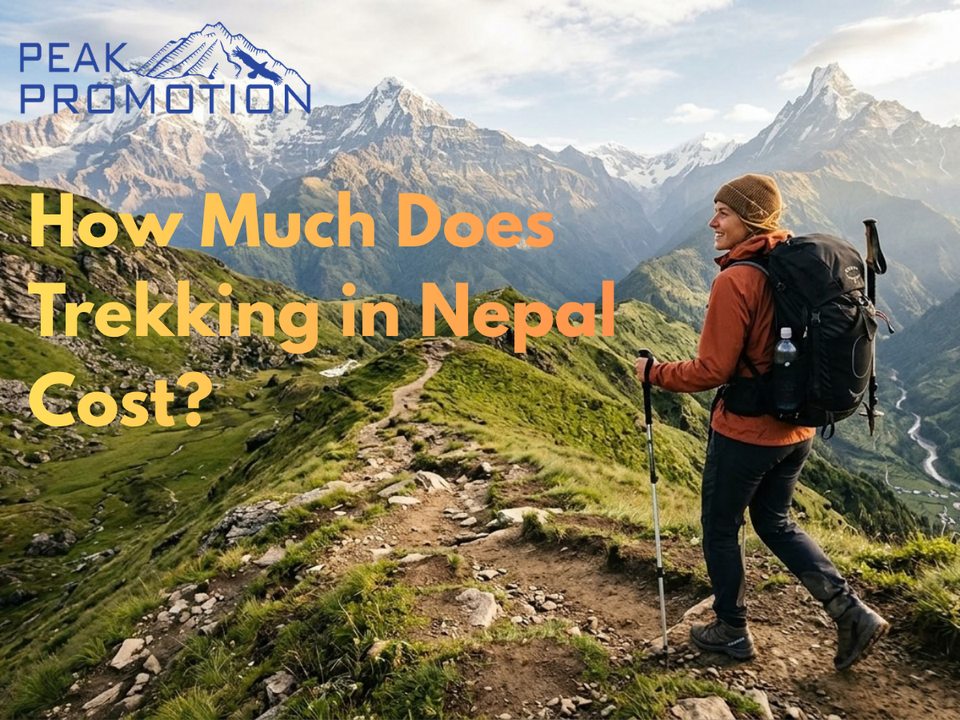
If you are planning a Himalayan adventure, one of the first questions you will probably ask is: How much does trekking in Nepal cost?
The answer depends on the trekking route, number of days, level of comfort, transportation, permits, guide and porter services, accommodation, meals, equipment, and whether you choose an independent-style trip or a fully organized trekking package.
Nepal offers trekking experiences for a wide range of budgets. A relatively short trek such as Ghorepani Poon Hill can require a much smaller budget than a longer high-altitude journey such as the Everest Base Camp Trek, while restricted-area routes such as Upper Mustang or Manaslu can involve additional permit costs.
For a typical organized trekking experience, travelers should generally plan for around USD 700–2,000+ per person for the trekking portion of a trip, depending on the route and service level. Longer or more remote treks can cost considerably more.
This guide breaks down the major expenses so you can understand where your Nepal trekking budget goes and how to plan realistically.
Important: Trekking costs vary by itinerary, season, group size, accommodation standard, transportation and included services. The figures below are planning ranges rather than fixed prices.
Nepal Trekking Cost at a Glance
Before looking at individual expenses, here is a general idea of what different types of Nepal treks may cost.
| Type of Trek | Typical Duration | Approximate Trekking Budget* |
| Short / Beginner Trek | 4–7 days | USD 400–800 |
| Ghorepani Poon Hill / Similar | 5–8 days | USD 500–900 |
| Langtang Valley Trek | 7–10 days | USD 600–1,000 |
| Annapurna Base Camp Trek | 7–12 days | USD 600–1,100 |
| Annapurna Circuit | 12–18 days | USD 800–1,400 |
| Everest View Trek | 7–10 days | USD 700–1,200 |
| Everest Base Camp Trek | 14–17 days | USD 1,000–1,800+ |
| Manaslu Circuit Trek | 14–18+ days | USD 1,000–1,800+ |
| Upper Mustang Trek | 12–18+ days | USD 1,500–2,500+ |
| Remote / Restricted-Area Treks | 15–25+ days | USD 1,500–3,000+ |
*These are broad planning estimates and can vary significantly according to inclusions, group size, season and route.
Peak Promotion currently lists the Everest Base Camp Trek as a 17-day itinerary, while its Annapurna Circuit itinerary is listed at 14 days and Langtang Valley at 10 days.
Check out Everest Expedition
What Determines the Cost of Trekking in Nepal?
There is no single fixed price for trekking in Nepal.
The final cost is influenced by several factors.
The main factors include:
- Trekking route
- Trek duration
- Trekking season
- Group size
- Guide services
- Porter services
- Accommodation
- Meals
- Transportation
- Domestic flights
- National park or conservation-area fees
- TIMS card
- Restricted-area permits
- Trekking equipment
- Travel insurance
- Personal expenses
- Tips
- Emergency and evacuation arrangements
A 5-day trek near Pokhara and a 20-day remote Himalayan expedition are both technically "treks in Nepal," but their costs can be dramatically different.
1. Trekking Package Cost
For many international travelers, the easiest way to budget is to choose an organized trekking package.
A trekking package may combine several expenses into one price.
Depending on the company and itinerary, it may include:
- Airport transfers
- Hotel accommodation in Kathmandu
- Domestic transportation
- Trekking permits
- TIMS
- Guide
- Porter
- Teahouse accommodation
- Meals
- Ground transportation
- Trekking equipment
- First-aid support
- Certain taxes
- Rescue arrangements
- Farewell dinner
For example, Peak Promotion's published Everest Base Camp package includes accommodation and meals during the trek, guide and porter services, permits, Kathmandu–Lukla flights, airport transfers and several other logistical services.
This is important when comparing prices.
A USD 1,000 trek package and a USD 700 trek package may not provide the same services.
Always compare the inclusions before deciding which package fits your budget.
2. Guide Cost
A licensed trekking guide is one of the most important costs to consider.
Guides can help with:
- Route navigation
- Accommodation arrangements
- Communication
- Local information
- Trekking permits
- Altitude-management planning
- Emergency coordination
- Cultural interpretation
- Communication with teahouses and local communities
More importantly, on many popular trekking routes, travelers are required to trek with a licensed guide and obtain an agency-issued TIMS card.
According to the Nepal Tourism Board's current TIMS information, routes including Everest Base Camp, Gokyo, Annapurna Circuit, Manaslu Circuit, Langtang Valley and several other major trekking routes fall under the mandatory guide/TIMS provisions.
Therefore, the cost of a guide should not simply be viewed as an optional extra.
3. Porter Cost
Hiring a porter can make a major difference during a long Himalayan trek.
Instead of carrying a heavy backpack for several hours every day, trekkers can use porter services to carry their main luggage.
A porter may carry:
- Clothing
- Sleeping bag
- Toiletries
- Extra shoes
- Jackets
- Trekking equipment
- Other personal luggage
Porter costs vary depending on:
- Route
- Duration
- Number of bags
- Weight
- Season
- Trekking agency
When comparing trekking packages, check whether porter service is included.
For example, Peak Promotion's published Everest Base Camp package includes porters along with their salary, insurance, equipment, food and lodging.
4. Trekking Permits and Entry Fees
Permits and protected-area entry fees are another part of your Nepal trekking budget.
The exact cost depends on the trekking region.
For example, the Nepal Tourism Board currently lists the foreigner entry fee for Sagarmatha National Park at NPR 3,000 per person, while the foreigner entry fee for the Annapurna Conservation Area is also listed at NPR 3,000.
These fees can change, so trekkers should check the current official rates before departure.
Examples of Current Protected-Area Fees:
| Trekking Region / Area | Foreign Visitor Entry Fee |
| Sagarmatha National Park | NPR 3,000 |
| Langtang National Park | NPR 3,000 |
| Annapurna Conservation Area | NPR 3,000 |
| Manaslu Conservation Area | NPR 3,000 |
| Kanchenjunga Conservation Area | NPR 2,000 |
| Shey-Phoksundo National Park | NPR 3,000 |
Current fees are published by the Nepal Tourism Board.
5. TIMS Card Cost
The Trekkers' Information Management System (TIMS) is another important trekking expense.
The Nepal Tourism Board currently states that the TIMS charge is:
- NPR 2,000 for non-SAARC applicants
- NPR 1,000 for SAARC applicants
for the applicable trekking routes under the current provision.
However, the exact requirements depend on the route.
The current rules require a licensed trekking guide and agency-issued TIMS card on numerous major trekking routes, including Everest, Annapurna, Manaslu and Langtang routes.
6. Restricted-Area Trekking Permits
Some of Nepal's most remote trekking destinations require special permits.
These include areas such as:
- Upper Mustang
- Upper Dolpo
- Manaslu
- Tsum Valley
- Humla
- Parts of Mustang
- Parts of Dolpo
- Other designated restricted areas
These permits can significantly increase the total trekking cost.
For example, the Nepal Tourism Board currently lists the Upper Mustang restricted-area permit at USD 50 per person per day. Manaslu permit rates vary by season and duration, while other restricted regions have their own fee structures.
Example Restricted-Area Permit Costs:
| RegionCurrent | Example Permit Rate |
| Upper Mustang | USD 50/person/day |
| Upper Dolpa | USD 50/person/day |
| Manaslu | USD 100/person/week in Sep–Nov; USD 75/person/week Dec–Aug |
| Tsum Valley | USD 40/person/week in Sep–Nov; USD 30/person/week Dec–Aug |
| Humla | USD 50/person/week |
These are official permit rates published by the Nepal Tourism Board and can change, so travelers should verify the applicable rate for their travel dates.
7. Accommodation Cost During the Trek
Most popular trekking routes in Nepal use teahouses and mountain lodges.
Accommodation generally becomes more expensive as you travel farther into remote and high-altitude areas.
The price may depend on:
- Location
- Room type
- Season
- Availability
- Attached bathroom
- Heating
- Electricity
- Internet access
- Route popularity
Basic teahouse accommodation can be relatively affordable, while upgraded rooms and private facilities can increase the budget.
Peak Promotion's Annapurna and Everest itineraries use teahouse/lodge accommodation as part of their trekking arrangements.
8. Food and Drinks
Food is another daily expense.
A typical trekking menu can include:
- Dal bhat
- Noodles
- Fried rice
- Pasta
- Soup
- Momos
- Eggs
- Bread
- Pancakes
- Potatoes
- Tea
- Coffee
Prices generally increase with altitude because transporting food and supplies to remote mountain settlements is more difficult.
A reasonable planning budget for food and drinks can be approximately:
USD 20–40 per person per day, depending on the route, meals and personal preferences.
If meals are included in your trekking package, this expense may already be covered.
9. Transportation Costs
Transportation can represent a significant portion of the total cost.
Depending on your trek, you may use:
- Tourist bus
- Private vehicle
- Jeep
- Domestic flight
- Local bus
- Shared transportation
- Helicopter in exceptional circumstances
✦ Everest Base Camp
The traditional EBC itinerary commonly involves flying between Kathmandu and Lukla, although routing and airport arrangements can vary.
Peak Promotion's published EBC itinerary includes Kathmandu–Lukla–Kathmandu flights.
✦ Annapurna
Annapurna routes can involve road transportation from Kathmandu or Pokhara and local vehicles depending on the specific itinerary.
✦ Langtang
Langtang is relatively accessible from Kathmandu compared with Everest and some remote regions, which can help reduce transportation costs.
10. Trekking Equipment Cost
Your equipment budget depends heavily on what you already own.
If you already have good trekking equipment, your additional cost can be relatively low.
If you are starting from scratch, however, equipment can become a significant expense.
Basic Trekking Equipment:
| Equipment | Typical Budget Range |
| Trekking boots | USD 80–250 |
| Down jacket | USD 80–250 |
| Sleeping bag | USD 60–250 |
| Trekking poles | USD 20–100 |
| Backpack | USD 60–200 |
| Base layers | USD 30–100 |
| Gloves | USD 15–80 |
| Headlamp | USD 15–60 |
| Water bottle / hydration system | USD 15–60 |
| Sunglasses | USD 20–150 |
| Total Cost Estimate | USD 395-1500 |
These are general planning ranges rather than fixed Nepal retail prices.
Renting equipment in Kathmandu can reduce the initial cost, especially for items that you may not use regularly after the trek.
11. Travel Insurance
Travel insurance should be treated as an essential part of your trekking budget.
A standard travel policy may not automatically cover high-altitude trekking.
Before purchasing insurance, check whether it covers:
- Trekking at your planned altitude
- Emergency medical treatment
- Helicopter evacuation
- Search and rescue
- Trip cancellation
- Lost baggage
- Travel delays
The required coverage level depends on your itinerary and maximum altitude.
For high-altitude routes such as Everest Base Camp, make sure your policy explicitly covers the activities and elevation involved.
12. Visa and International Flights
Your trekking budget should distinguish between the cost of the trek and the total cost of traveling to Nepal.
International airfare can vary dramatically depending on:
- Country of departure
- Airline
- Travel season
- Booking time
- Number of connections
Similarly, Nepal visa fees are separate from trekking expenses.
Therefore, if someone says:
"My Nepal trek costs USD 1,200."
That does not necessarily mean the entire Nepal vacation will cost USD 1,200.
You may still need to pay for:
- International flights
- Visa
- Travel insurance
- Kathmandu sightseeing
- Hotels before/after the trek
- Personal shopping
- Equipment
- Tips
- Additional transportation
How Much Does Everest Base Camp Trek Cost?
The Everest Base Camp Trek is generally more expensive than many lower-altitude Nepal treks because of its duration, altitude, transportation requirements and logistical complexity.
A typical organized EBC trek can fall around:
USD 1,000–1,800+ per person
depending on:
- Number of trekking days
- Group size
- Kathmandu hotel category
- Guide and porter arrangement
- Lukla flights
- Meals
- Teahouse accommodation
- Permits
- Services included in the package
Peak Promotion currently lists the EBC itinerary as 17 days, with accommodation, meals, professional guide and porter services, transportation and permits among the listed trip components.
How Much Does Annapurna Trekking Cost?
The Annapurna region contains several different trekking routes, so there is no single Annapurna trekking price.
Approximate Budget
USD 600–1,400+
depending on the route.
For example:
- Ghorepani Poon Hill → lower budget
- Mardi Himal → short/moderate budget
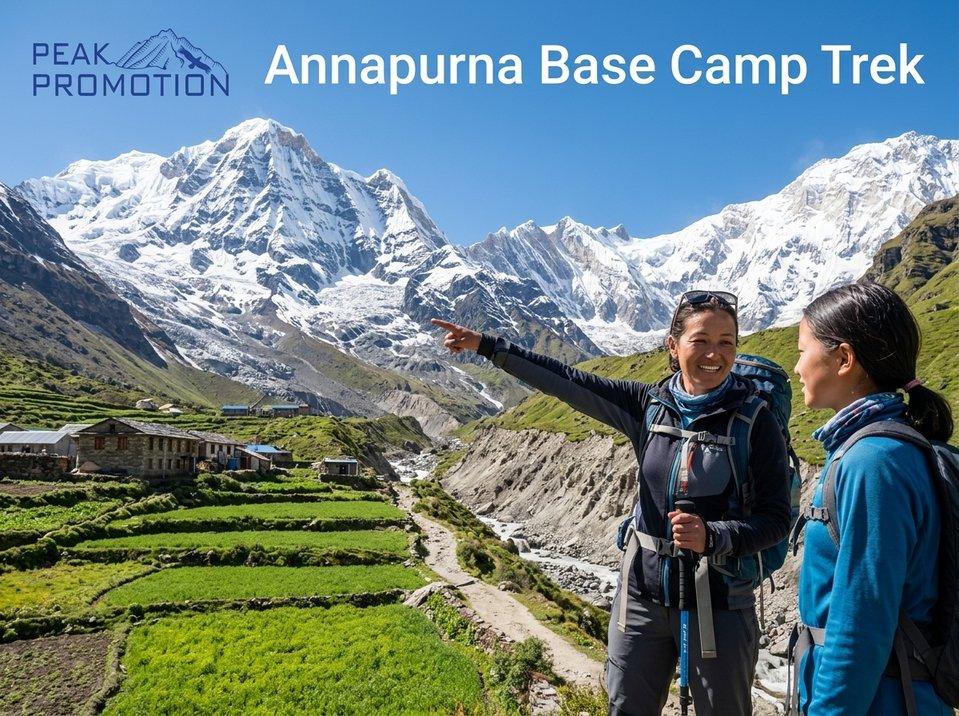
- Annapurna Base Camp → moderate budget
- Annapurna Circuit → longer budget
- Tilicho Lake / high-pass extensions → higher budget
Peak Promotion's published Annapurna Circuit package has previously listed an all-inclusive price of USD 1,200, including trekking accommodation and meals, Kathmandu accommodation, transportation, guide, porter, permits and TIMS under that specific itinerary. Package prices should be reconfirmed before booking.
How Much Does Langtang Trek Cost?
Langtang is one of the more accessible Himalayan trekking regions from Kathmandu.
A typical organized Langtang trek may cost approximately:
USD 600–1,000
depending on the itinerary, number of days and inclusions.
Peak Promotion currently lists its Langtang Valley Trek as a 10-day itinerary, with a maximum altitude of approximately 4,773 m.
Because the region is relatively close to Kathmandu, transportation can be simpler than for destinations requiring domestic mountain flights.
Budget Trekking vs Comfortable Trekking vs Premium Trekking
Your trekking style also changes the total cost.
| Trekking Style | Approx. Daily Budget | Typical Characteristics |
| Budget | USD 30–50 | Basic accommodation, local food, limited extras |
| Standard | USD 50–90 | Guide, porter, teahouse, meals and organized logistics |
| Comfortable | USD 90–150+ | Better hotels, private arrangements, upgraded services |
| Premium / Customized | USD 150+ | Private guides, upgraded accommodation, customized logistics |
These figures are broad planning estimates. Remote or high-altitude treks can exceed them significantly.
Example: Where Your USD 1,200 Trek Budget Goes?
Imagine you purchase a mid-range organized trek costing approximately USD 1,200.
Your money could be distributed broadly across:
| Expense Category | Approximate Share |
| Guide & porter | 20–30% |
| Accommodation | 15–25% |
| Food | 15–25% |
| Transportation | 10–20% |
| Permits & TIMS | 5–10% |
| Kathmandu accommodation/transfers | 5–10% |
| Agency operations & logistics | 5–15% |
| Other services | Variable |
This is an illustrative breakdown, not a fixed industry pricing formula.
The actual percentage can change substantially between routes.
For example, a trek requiring domestic flights or expensive restricted-area permits will have a very different cost structure from a short trek near Pokhara.
How to Reduce the Cost of Trekking in Nepal?
You do not necessarily need a huge budget to experience the Himalayas.
Here are several practical ways to control costs.
▸ Choose a Shorter Trek
Shorter routes require fewer days of:
- Accommodation
- Food
- Guide services
- Porter services
- Transportation
Routes such as Poon Hill, Mardi Himal or shorter Langtang itineraries can be considered if you have limited time or budget.
▸ Travel in a Group
Joining a group can help distribute certain costs.
Depending on the agency and package, group travel may reduce the per-person cost of:
- Guides
- Transportation
- Certain logistical arrangements
- Private vehicles
Some trekking agencies also provide group discounts.
▸ Compare Inclusions, Not Just Prices
This is one of the most important rules when comparing Nepal trekking packages.
Don't simply compare:
Company A: USD 900
against
Company B: USD 1,200
Instead, compare:
- Is airport pickup included?
- Are Kathmandu hotels included?
- Are domestic flights included?
- Are permits included?
- Is TIMS included?
- Are meals included?
- Is a guide included?
- Is a porter included?
- Is travel insurance included?
- Are transfers included?
- Are taxes included?
A more expensive package may include significantly more services.
What Is Usually Not Included?
Even when a trekking package is described as "all-inclusive," some personal expenses are often excluded.
Peak Promotion's published EBC package, for example, excludes international airfare, personal trekking equipment, certain Kathmandu meals, personal expenses, emergency medical evacuation, and tips.
Common exclusions include:
- International airfare
- Nepal visa
- Travel insurance
- Personal trekking equipment
- Alcohol
- Snacks
- Laundry
- Phone calls
- Wi-Fi
- Battery charging
- Personal shopping
- Tips
- Emergency evacuation
- Extra hotel nights
- Unscheduled transportation
Always read the inclusion and exclusion section before booking.
Is Trekking in Nepal Expensive?
Compared with many major international adventure destinations, Nepal can offer a wide range of trekking budgets.
However, the phrase "cheap trekking in Nepal" can be misleading.
A Himalayan trek involves real costs associated with:
- Experienced guides
- Porters
- Food
- Mountain accommodation
- Transportation
- Permits
- Safety
- Insurance
- Local logistics
The objective should not simply be finding the cheapest package.
Instead, look for a trekking plan where the price, inclusions, safety arrangements, local expertise and itinerary quality match your needs.
When Is the Cheapest Time to Trek in Nepal?
The main trekking seasons are generally:
▸ Spring: March–May
Spring provides favorable trekking conditions and is one of the major seasons for Himalayan travel.
▸ Autumn: September–November
Autumn is another major trekking period, particularly because of generally favorable mountain visibility and weather.
▸ Winter: December–February
Lower-altitude treks can remain attractive, but high-altitude routes may experience cold and snow.
▸ Monsoon: June–August
Rain affects many trekking regions, particularly those exposed to the monsoon.
However, some destinations in rain-shadow areas, including Upper Mustang, can remain suitable during the monsoon period. Nepal Tourism Board notes that Upper Mustang's rain-shadow location allows trekking even during the rainy season.
Traveling outside peak periods may sometimes provide different pricing and availability, but route conditions should always be considered alongside cost.
How Much Money Should You Carry on a Nepal Trek?
Even if most of your trek is prepaid, carrying some cash is important.
You may need money for:
- Snacks
- Tea and coffee
- Hot showers
- Charging
- Wi-Fi
- Laundry
- Extra meals
- Tips
- Personal purchases
- Unexpected expenses
A practical emergency/personal-expense budget might be:
USD 15–30 per day
for a standard trek, although your actual needs can vary.
Remote and longer treks may require a larger reserve.
Nepal Trekking Cost: Sample Budget
For a 12–15-day organized trek, a traveler could plan something like this:
| Expense | Estimated Budget |
| Trek package | USD 800–1,400 |
| International flight | USD 400–1,200+ |
| Nepal visa | Variable |
| Travel insurance | USD 50–200+ |
| Personal equipment | USD 100–500+ |
| Personal expenses | USD 150–350 |
| Tips | USD 50–150+ |
| Extra Kathmandu stay | USD 50–200+ |
| Approx. Total | USD 1,600–4,000+ |
This is a broad planning example rather than a fixed price.
Your actual total could be lower or considerably higher depending on where you travel from, the trek you select, accommodation level and how much equipment you already own.
Trekking in Nepal Cost Comparison
Here is a simplified comparison of some popular trekking experiences.
| Trek | Approx. Duration | Approx. Trek Budget | Cost Level |
| Poon Hill | 5–8 days | USD 500–900 | Lower |
| Mardi Himal | 5–8 days | USD 500–900 | Lower–Moderate |
| Langtang Valley | 7–10 days | USD 600–1,000 | Moderate |
| Annapurna Base Camp | 7–12 days | USD 600–1,100 | Moderate |
| Everest View | 7–10 days | USD 700–1,200 | Moderate |
| Annapurna Circuit | 12–18 days | USD 800–1,400 | Moderate–High |
| Everest Base Camp | 14–17 days | USD 1,000–1,800+ | High |
| Manaslu Circuit | 14–18+ days | USD 1,000–1,800+ | High |
| Upper Mustang | 12–18+ days | USD 1,500–2,500+ | High |
| Remote Restricted Treks | 15–25+ days | USD 1,500–3,000+ | Very High |
Why Choosing the Right Trek Matters More Than Choosing the Cheapest Trek?
The cheapest trek is not necessarily the right trek for every traveler.
Your decision should consider:
- Available time
- Physical fitness
- Maximum altitude
- Previous trekking experience
- Desired scenery
- Cultural interests
- Comfort level
- Budget
- Season
- Travel companions
For example, a traveler with only one week in Nepal may not need to spend a large amount on a long Everest Base Camp itinerary.
A shorter trek such as Poon Hill, Mardi Himal or Langtang can provide a Himalayan experience while requiring fewer days and less logistical spending.
For travelers specifically interested in Everest, an Everest View Trek can also provide a shorter introduction to the Khumbu region than the full Everest Base Camp route. Peak Promotion currently highlights Everest View Trek as one of its trekking options.
Why Book a Trekking Agency in Nepal?
An experienced local trekking agency can simplify many aspects of your trip.
A professional agency can help arrange:
- Trekking permits
- TIMS
- Licensed guide
- Porter
- Accommodation
- Meals
- Transportation
- Domestic flights
- Airport transfers
- Route planning
- Emergency coordination
- Trekking equipment
- Customized itineraries
This can be particularly useful for international travelers unfamiliar with Nepal's trekking regulations and mountain logistics.
Peak Promotion has been organizing trekking and mountaineering adventures in Nepal for decades and currently offers trekking routes including Everest Base Camp, Annapurna Circuit and Langtang Valley.
Tips for Planning Your Nepal Trekking Budget
Before booking your trek, create a complete budget rather than considering only the package price.
Your checklist should include:
- Trek package
- International airfare
- Nepal visa
- Travel insurance
- Trekking permits
- TIMS
- Guide
- Porter
- Accommodation
- Meals
- Domestic flights
- Ground transportation
- Trekking equipment
- Kathmandu hotels
- Personal expenses
- Tips
- Emergency reserve
This gives you a much more realistic estimate of the total cost.
Frequently Asked Questions (FAQ's):
Q. How much does trekking in Nepal cost?
A typical organized Nepal trek can cost approximately USD 700–2,000+, depending on the route, duration, services and level of comfort. Remote and restricted-area treks can cost more.
Q. What is the cheapest trek in Nepal?
Shorter trekking routes close to Kathmandu or Pokhara can generally be completed with a lower budget. Poon Hill, Mardi Himal and some shorter Langtang itineraries are examples.
Q. How much does the Everest Base Camp Trek cost?
A typical organized Everest Base Camp Trek may cost approximately USD 1,000–1,800+, depending on the itinerary and included services.
Q. How much does the Annapurna Circuit Trek cost?
A typical organized Annapurna Circuit trek can fall around USD 800–1,400+, depending on duration, transportation, accommodation and services.
Q. How much does Langtang Valley Trek cost?
A typical organized Langtang Valley Trek can cost approximately USD 600–1,000, depending on the itinerary and inclusions.
Q. Is a guide mandatory for trekking in Nepal?
On many major trekking routes, yes. Current Nepal Tourism Board rules require trekkers on numerous listed routes to be accompanied by a licensed trekking guide and carry an agency-issued TIMS card.
Q. How much does a TIMS card cost?
The current Nepal Tourism Board information lists NPR 2,000 for non-SAARC applicants and NPR 1,000 for SAARC applicants under the applicable TIMS provision.
Q. Are trekking permits included in trekking packages?
They often are, but this depends on the trekking agency and package. Always check the inclusion list before booking.
Q. Is food included in Nepal trekking packages?
Many organized trekking packages include meals during the trek. However, this varies by company and itinerary.
Q. Is accommodation included in a Nepal trekking package?
Many organized packages include teahouse or lodge accommodation. Kathmandu accommodation may also be included depending on the package.
Q. Do I need travel insurance for trekking in Nepal?
Travel insurance is strongly recommended, particularly for high-altitude trekking. Check that your policy covers the maximum altitude and activities on your itinerary as well as emergency evacuation where applicable.
Q. Is trekking in Nepal expensive?
Nepal offers trekking options across a wide range of budgets. Shorter routes can be relatively affordable, while long, high-altitude and restricted-area treks require substantially larger budgets.
Q. Can I trek in Nepal on a budget?
Yes. Choosing a shorter route, traveling in a group, limiting unnecessary upgrades and comparing package inclusions can help control costs.
Q. What is not usually included in a trekking package?
Common exclusions include international flights, Nepal visa, personal equipment, travel insurance, personal expenses, tips and emergency evacuation, although inclusions vary by operator.
Plan Your Nepal Trek With Peak Promotion
The cost of trekking in Nepal depends on much more than the number shown on a package quotation.
The route, duration, altitude, permits, transportation, accommodation, meals, guide and porter services, equipment and personal spending all contribute to the final budget.
The best approach is to determine what kind of Himalayan experience you want first, then build your budget around the appropriate trekking route.
Whether you are considering the Everest Base Camp Trek, Annapurna Circuit, Langtang Valley Trek, or another Himalayan adventure, a well-planned itinerary can help you understand your expenses before you arrive in Nepal.
Peak Promotion provides organized trekking and expedition services across Nepal, including experienced guides, porters, transportation, accommodation, permits and customized trekking arrangements.
Ready to plan your Nepal trekking adventure? Explore the available trekking routes and contact Peak Promotion for a customized itinerary and cost estimate.
Contact Us:
Phone
+977 9841135705
info@peakpromotionnepal.com