Annapurna Base Camp Trek: Complete Guide
The Annapurna Base Camp Trek (ABC Trek) is one of Nepal's most rewarding Himalayan adventures. It takes trekkers through traditional mountain villages, terraced farmland, lush forests, cascading waterfalls, and dramatic alpine landscapes before reaching a spectacular natural amphitheater surrounded by towering Himalayan peaks.
Located in the Annapurna region of north-central Nepal, the trek offers an opportunity to experience the Himalayas without committing to a technical mountaineering expedition. Its combination of mountain scenery, cultural encounters, accessible teahouse accommodation, and varied landscapes makes it an appealing choice for both first-time Himalayan trekkers and experienced hikers.
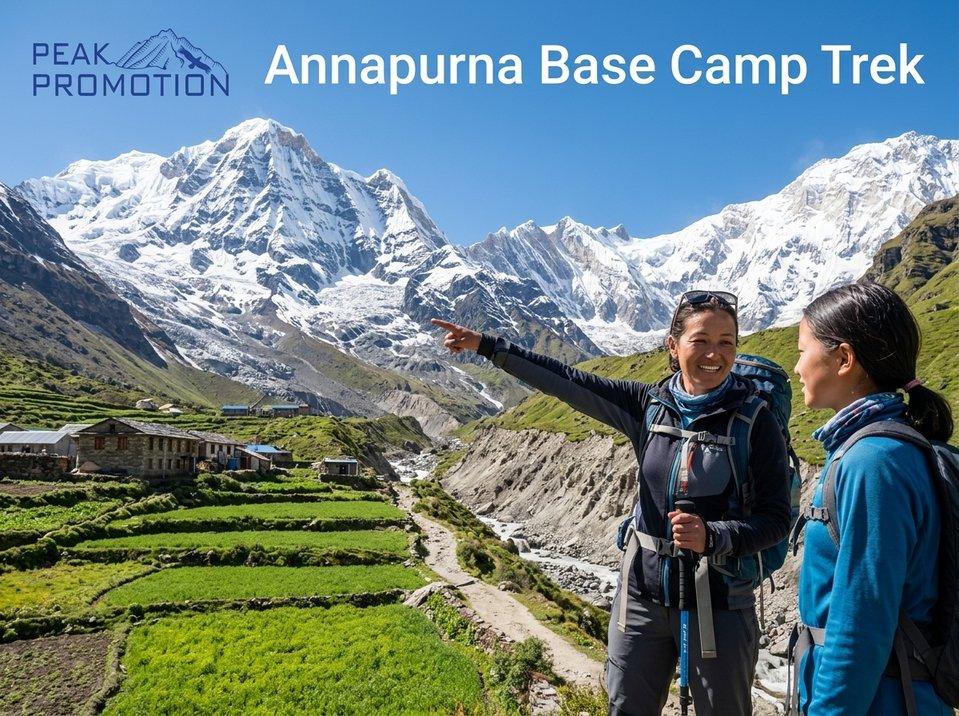
The destination, Annapurna Base Camp, sits at approximately 4,130 meters (13,550 feet) above sea level. From the sanctuary, trekkers can enjoy views of Annapurna I, Annapurna South, Hiunchuli, and Machhapuchhre, also known as Fishtail Mountain, depending on weather and visibility.
However, the Annapurna Base Camp Trek is more than a scenic walk. The changing altitude, long stair sections, variable weather, and physical demands require preparation and responsible planning.
This complete guide covers everything you need to know about trekking to Annapurna Base Camp, including the route, itinerary, best time to visit, difficulty, permits, accommodation, estimated costs, packing requirements, and safety considerations.
What Is the Annapurna Base Camp Trek?
The Annapurna Base Camp Trek is a high-altitude hiking route through the Annapurna Conservation Area in Nepal. The journey typically begins near Pokhara, a popular lakeside city and gateway to the Annapurna trekking region.
Unlike the Annapurna Circuit Trek, which travels around a large section of the Annapurna massif, the ABC Trek follows a route into the Annapurna Sanctuary, a mountain basin enclosed by dramatic Himalayan peaks.
The trail passes through settlements such as Ghandruk and Chhomrong, depending on the selected itinerary. Trekkers continue through forested valleys and high-altitude terrain before reaching Machhapuchhre Base Camp and Annapurna Base Camp.
The trek is commonly completed in around 7–12 days of trekking, although the total trip length depends on the starting point, route, acclimatization needs, transportation, and planned rest days.
Annapurna Base Camp Trek at a Glance
| Trekking Detail | Information |
| Destination | Annapurna Base Camp, Nepal |
| Maximum elevation | Approximately 4,130 m |
| Starting gateway | Pokhara |
| Typical duration | 7–12 trekking days |
| Difficulty | Moderate to challenging |
| Best seasons | Spring and autumn |
| Accommodation | Teahouses and mountain lodges |
| Trekking style | Teahouse trekking |
| Technical climbing required | No |
| Main highlights | Himalayan panoramas, forests, villages, Annapurna Sanctuary |
| Main preparation concerns | Fitness, altitude, weather, and steep trail sections |
The figures above are general planning estimates rather than guarantees. Individual itineraries vary, and actual trekking times depend on route conditions, pace, and weather.
Why Choose the Annapurna Base Camp Trek?
Nepal offers many excellent trekking destinations, but Annapurna Base Camp stands out because of its combination of mountain scenery, cultural experiences, and relatively accessible trekking infrastructure.
✔ Spectacular Himalayan Mountain Views
One of the main attractions of the ABC Trek is the opportunity to enter a dramatic mountain sanctuary surrounded by towering Himalayan peaks.
Depending on conditions, trekkers may see Annapurna I, Annapurna South, Hiunchuli, Machhapuchhre, and other peaks of the Annapurna massif.
The mountain scenery changes throughout the journey, from distant views above the villages to close-up panoramas near the sanctuary.
✔ A Diverse Range of Landscapes
The trail passes through several distinct environments, including:
- Terraced farmland and traditional settlements.
- Rhododendron forests and bamboo groves.
- Rivers, waterfalls, and forested valleys.
- Rocky trails and alpine landscapes.
- High mountain viewpoints and glacial terrain.
This variety makes the journey rewarding even before reaching base camp.
✔ Traditional Mountain Villages
The route passes through communities where visitors can experience aspects of traditional Himalayan life.
Gurung and other local communities have strong cultural connections to the Annapurna region. Villages such as Ghandruk offer opportunities to observe traditional architecture, local hospitality, and regional food.
Trekkers should respect local customs, ask permission before photographing people, and support locally operated businesses where possible.
✔ Accessible Teahouse Accommodation
The ABC route is well known for its network of teahouses and mountain lodges. These provide places to sleep, eat, and rest during the journey.
Although facilities become more basic at higher elevations, teahouse trekking means most travelers do not need to carry a complete camping setup.
✔ A Himalayan Adventure Without Technical Climbing
Annapurna Base Camp is a trekking destination, not a mountain summit. Reaching it does not require technical climbing equipment under normal trekking conditions.
Nevertheless, the altitude, steep ascents, descents, and changing weather mean the trek should not be treated as an easy walk.
Best Time for Annapurna Base Camp Trek
The best time for the Annapurna Base Camp Trek is generally spring (March–May) and autumn (September–November). These seasons often provide more favorable trekking conditions, although weather can change quickly in the mountains.
The right season depends on whether you prioritize mountain visibility, flowering rhododendrons, quieter trails, or warmer daytime conditions.
▸ Spring: March to May
Spring is a popular time to trek to Annapurna Base Camp. Temperatures generally become more comfortable as the season progresses, and rhododendron forests may display colorful blooms at lower and middle elevations.
Advantages of spring:
- Rhododendron and other seasonal flowers along parts of the trail.
- Longer daylight hours as the season progresses.
- Pleasant trekking conditions during many days.
- Strong opportunities for landscape photography.
Things to consider:
- Snow and ice may remain at higher elevations early in the season.
- Visibility can vary with cloud cover.
- Late spring may bring warmer conditions and afternoon haze.
March can be colder, while April is often a good balance of spring scenery and trekking conditions.
▸ Autumn: September to November
Autumn is another highly recommended season. After the summer monsoon, the landscape may be green, and clearer skies can provide excellent views of the Annapurna range.
Advantages of autumn:
- Often excellent mountain visibility.
- Generally favorable trekking weather.
- Comfortable daytime walking conditions during many periods.
- Opportunities to experience Nepal's major autumn festivals.
Things to consider:
- Early September can still experience monsoon-related rain.
- October is a busy trekking month, so popular lodges can fill up.
- November nights become colder, particularly at higher elevations.
▸ Winter: December to February
Winter trekking is possible, but it requires more careful preparation.
Higher sections may experience snowfall, icy trails, freezing temperatures, and temporary route disruptions. Some lodges may have limited services during quieter periods.
Winter may suit experienced trekkers who are properly equipped and have flexible plans. Beginners should seek current local advice before choosing a winter departure.
▸ Monsoon: June to August
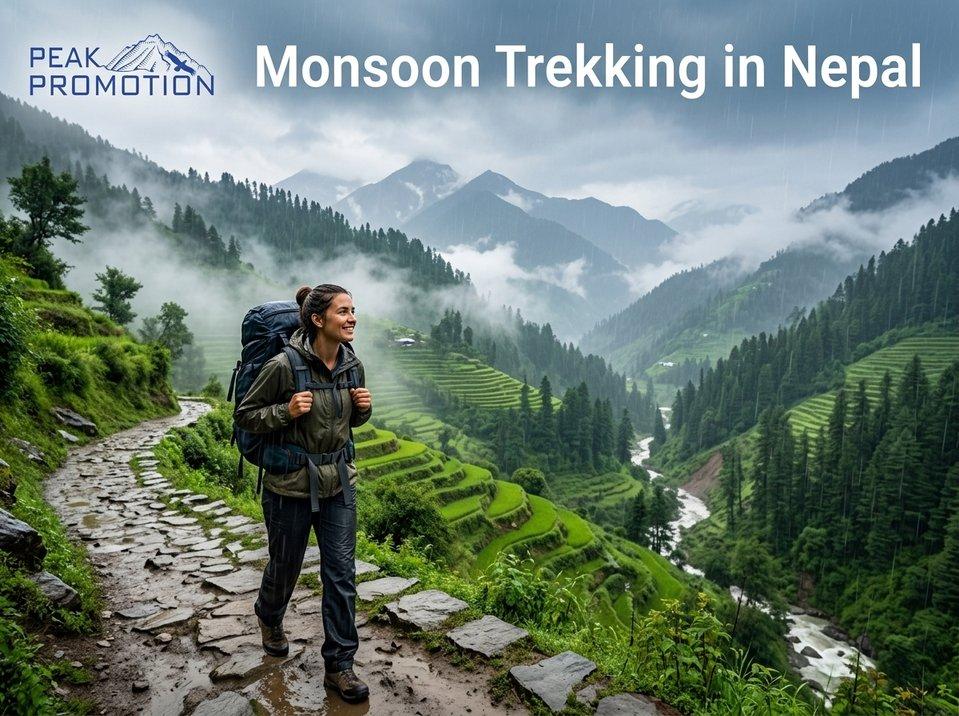
The summer monsoon brings substantial rainfall to much of Nepal. On the Annapurna Base Camp route, rain can create muddy trails, slippery stone steps, leeches at lower elevations, and increased landslide risk in vulnerable areas.
Clouds may also reduce mountain visibility.
Although the trek can sometimes be undertaken during this season, travelers should understand the weather risks and plan with current local guidance.
Which Season Should You Choose?
| Priority | Season to Consider |
| Clear mountain panoramas | Autumn, particularly October and November |
| Rhododendron scenery | Spring, especially March and April |
| Comfortable trekking conditions | Spring and autumn |
| Quieter trails | Selected winter or shoulder-season dates, subject to conditions |
| First-time Himalayan trek | Spring or autumn with a suitable itinerary |
No season guarantees perfect weather. Allow flexibility for delays and changing mountain conditions.
Annapurna Base Camp Trek Itinerary
A well-planned itinerary balances daily walking distances with time to rest, enjoy the scenery, and adapt to altitude.
The following is an illustrative 10-day itinerary from Pokhara and back. It is not a fixed schedule; transportation, route access, trail conditions, and individual fitness may require changes.
| Day | Route | Main Experience |
| Day 1 | Pokhara to the trailhead, then trek toward Ghandruk or a nearby lodge | Begin the journey through villages and terraced hillsides |
| Day 2 | Ghandruk area to Chhomrong | Mountain views and traditional settlements |
| Day 3 | Chhomrong to Bamboo or a nearby lodge | Descend stone steps and enter forested valleys |
| Day 4 | Bamboo to Deurali | Follow the river through bamboo and mountain forest |
| Day 5 | Deurali to Machhapuchhre Base Camp | Enter higher alpine terrain |
| Day 6 | Machhapuchhre Base Camp to Annapurna Base Camp | Reach the Annapurna Sanctuary and enjoy mountain panoramas |
| Day 7 | Annapurna Base Camp to Bamboo or a suitable lower lodge | Begin the descent |
| Day 8 | Bamboo to Chhomrong or a nearby settlement | Retrace the trail through forest and villages |
| Day 9 | Chhomrong area to a lower trailhead | Complete the final trekking section |
| Day 10 | Return to Pokhara | Rest and conclude the trek |
This schedule is an example, not a recommendation for every trekker. Some itineraries take longer, include Ghandruk at a different stage, or combine the journey with Ghorepani and Poon Hill.
A responsible itinerary should include enough time for acclimatization, rest, and unexpected delays. Avoid compressing the schedule simply to reduce the number of days.
For broader route planning, explore Peak Promotion Nepal's trekking routes.
Annapurna Base Camp Trek Difficulty
The Annapurna Base Camp Trek is generally considered moderate to challenging. It does not usually require technical mountaineering skills, but it demands consistent physical effort and the ability to walk for several hours a day.
What Makes the Trek Challenging?
- Steep stone steps: Parts of the route involve long staircases, particularly around Chhomrong and neighboring sections. Descending can be demanding on the knees.
- Daily walking: Depending on the itinerary, trekkers may walk for several hours each day over uneven terrain.
- Altitude: Annapurna Base Camp lies above 4,000 meters. Even fit individuals can experience altitude-related symptoms.
- Changing weather: Rain, wind, cold, snow, and reduced visibility can affect the difficulty of the trail.
- Limited recovery time: An itinerary with consecutive demanding days may leave little time for tired muscles to recover.
How Fit Do You Need to Be?
You do not need to be an elite athlete, but you should prepare for sustained walking, climbing, and descending.
Useful preparation includes:
- Regular walking or hiking.
- Stair climbing and uphill training.
- Cardiovascular exercise such as cycling, jogging, or brisk walking.
- Leg-strengthening exercises.
- Practice walks with a backpack similar to the one you intend to carry.
Start training several weeks before departure, ideally allowing two to three months if you are new to hiking. Increase the duration and intensity gradually.
Fitness improves your ability to manage the physical workload, but it does not eliminate the risk of altitude sickness.
Annapurna Base Camp Trek Cost
The cost of the ABC Trek varies according to trip duration, group size, season, accommodation, guide and porter arrangements, transportation, and the services included in the package.
A low advertised price may exclude important expenses such as meals, permits, transport, or emergency arrangements. Compare the full inclusions rather than choosing a package based on price alone.
Main Cost Components
| Expense | What to Consider |
| Transportation | Travel between Pokhara and the trailhead |
| Accommodation | Lodges and teahouses along the route |
| Meals and drinks | Breakfast, lunch, dinner, snacks, and hot drinks |
| Guide services | Licensed guide fees and associated expenses |
| Porter services | Porter wages, meals, accommodation, and agreed load limits |
| Permits | Applicable conservation-area entry permit and any required trekking documentation |
| Equipment | Purchase or rental of suitable trekking gear |
| Insurance | Coverage for high-altitude trekking and emergency evacuation |
| Personal expenses | Charging, showers, snacks, tips, and other optional services |
| Contingency | Extra accommodation, transport, or delay-related costs |
How to Plan Your Budget?
Before booking, ask the trekking provider for a written breakdown covering:
- The exact itinerary and trip duration.
- Whether meals and accommodation are included.
- Guide and porter services.
- Permit arrangements and current fees.
- Transportation to and from the trail.
- Emergency procedures and evacuation coordination.
- Any excluded expenses and expected tips.
For a broader overview of trekking expenses, read Peak Promotion Nepal's guide to how much trekking in Nepal costs.
Important: Treat online cost estimates as planning references rather than guaranteed prices. Confirm current rates and package inclusions before making a booking.
Permits Required for Annapurna Base Camp Trek
The Annapurna Base Camp Trek passes through the Annapurna Conservation Area, so trekkers need the applicable entry permit before entering the protected area.
▸ Annapurna Conservation Area Permit (ACAP)
The Annapurna Conservation Area Permit is required for entry into the conservation area. The Nepal Tourism Board's published fee schedule lists the foreign visitor rate as NPR 3,000 per person, with different rates for Nepali and SAARC nationals.
Permit fees and procedures should be checked again before travel, as official rules can change. The permit must be carried during the trek and shown at checkpoints when requested.
The official Nepal Tourism Board park entry fee page provides published conservation-area fee information.
▸ TIMS and Guide Requirements
Trekking documentation requirements can depend on the route and the regulations in force at the time of travel. The Nepal Tourism Board lists the Poon Hill–ABC route among Annapurna-region routes covered by its trekking-guide and TIMS provisions.
Before departure, confirm the current requirements with a registered trekking agency or the relevant Nepal Tourism Board office. Do not rely solely on old travel blogs or assume that rules for one Annapurna route apply identically to every itinerary.
Check the official Nepal Tourism Board TIMS guidance for the latest applicable information.
Accommodation and Food on the ABC Trek
Most trekkers stay in teahouses or mountain lodges. These establishments offer a practical way to travel through the region without carrying a tent and full camping equipment.
What Is Accommodation Like?
Lower settlements generally offer more choices, while facilities at higher elevations tend to be simpler.
Depending on the lodge, you may find:
- Twin-sharing rooms or basic private rooms.
- Shared bathrooms, with private facilities in some locations.
- Dining rooms where trekkers gather for meals.
- Blankets, although bringing a suitable sleeping bag is advisable.
- Charging facilities, sometimes for an additional fee.
Availability and comfort vary by location and season. During busy periods, arriving early or arranging accommodation through your guide can be helpful.
What Food Can You Expect?
Common meals include dal bhat, rice, lentils, vegetable dishes, noodles, soups, potatoes, eggs, porridge, and other simple lodge meals.
Dal bhat is particularly popular because it provides carbohydrates and protein that help fuel long walking days.
To support your energy and hydration:
- Eat regular meals rather than skipping food.
- Carry suitable snacks for the trail.
- Drink safe water frequently.
- Follow local advice on water treatment.
- Avoid relying on alcohol to relax or warm up at altitude.
Food choices may become more limited at higher elevations, so communicate dietary requirements in advance.
Packing List for Annapurna Base Camp Trek
Packing correctly helps you stay comfortable through changing temperatures and trail conditions. Aim for a practical system of layers rather than relying on one heavy jacket.
▸ Clothing
- Moisture-wicking base layers.
- Warm fleece or insulating mid-layer.
- Waterproof and wind-resistant outer shell.
- Insulated jacket suitable for cold conditions.
- Trekking trousers and comfortable walking clothing.
- Thermal layers for cold mornings and nights.
- Warm hat, sun hat, gloves, and extra socks.
- Comfortable sleepwear.
▸ Footwear and Equipment
- Broken-in trekking boots or suitable hiking shoes.
- Sandals or lightweight footwear for the lodge.
- Trekking poles, particularly useful on steep descents.
- Backpack with a comfortable fit.
- Rain cover or waterproof pack liner.
- Sleeping bag appropriate for expected temperatures.
- Reusable water bottles or a hydration system.
▸ Health and Personal Items
- Personal medications.
- Basic first-aid supplies and blister care.
- Sunscreen and lip balm.
- Sunglasses with suitable UV protection.
- Headlamp and spare batteries.
- Toiletries and quick-drying towel.
- Water purification supplies.
- Copies of permits, identification, insurance, and emergency contacts.
Your guide or equipment provider can help you adjust the list for the season and itinerary. Avoid carrying unnecessary weight, and agree on a realistic load if using a porter.
Altitude Sickness and Safety on the ABC Trek
Altitude is one of the most important safety considerations on the Annapurna Base Camp Trek.
At higher elevations, the body has less available oxygen. Acute mountain sickness (AMS) can affect people regardless of age, fitness, or previous hiking experience.
Common Symptoms of Altitude Sickness:
Symptoms may include:
- Headache.
- Nausea or reduced appetite.
- Dizziness.
- Unusual fatigue.
- Difficulty sleeping.
Symptoms should never be ignored or treated as a normal part of trekking.
How to Reduce Altitude-Related Risks?
- Ascend sensibly: Follow an itinerary that allows your body to adapt, and avoid rushing toward base camp.
- Stay hydrated: Drink regularly and eat enough to maintain energy.
- Tell your guide about symptoms: Report a headache, nausea, dizziness, or other unusual symptoms promptly.
- Do not ascend with worsening symptoms: If altitude sickness is suspected, stop ascending and seek appropriate medical advice.
- Descend when necessary: Severe or worsening symptoms require urgent action. Difficulty breathing at rest, confusion, loss of coordination, or a marked decline in consciousness are emergency warning signs requiring immediate descent and emergency assistance.
A trekking guide can help recognize problems and coordinate assistance, but a guide is not a substitute for medical care.
Weather and Trail Safety
Mountain weather can change rapidly. Follow local guidance on snowfall, rainfall, landslides, trail closures, and visibility.
Use trekking poles where helpful, take care on wet stone steps, and avoid crossing unsafe rivers or exposed sections in poor conditions.
Travel insurance should explicitly cover the altitude and activities involved, including helicopter evacuation if required and available. Check policy exclusions before departure.
Responsible Trekking in the Annapurna Conservation Area
The Annapurna region's natural beauty and local communities are central to the trekking experience. Responsible travel helps protect both.
Follow these practices throughout the journey:
- Carry reusable water bottles and reduce single-use plastics.
- Take rubbish back to appropriate collection points.
- Use established trails rather than creating shortcuts.
- Respect local customs, religious sites, and private property.
- Ask permission before photographing people.
- Support local lodges, shops, and guides.
- Keep noise under control and avoid disturbing wildlife.
- Follow conservation-area rules and your guide's advice.
Responsible trekking is not only about protecting the environment. It also helps preserve the cultural and economic value of the trail for the communities that welcome visitors.
Annapurna Base Camp Trek vs. Everest Base Camp Trek
Both ABC and Everest Base Camp offer memorable Himalayan journeys, but they differ in scenery, route structure, altitude, and trekking experience.
| Feature | Annapurna Base Camp Trek | Everest Base Camp Trek |
| Maximum altitude | Approximately 4,130 m | Approximately 5,364 m at Everest Base Camp |
| Main landscape | Forests, villages, mountain sanctuary | High-altitude valleys, Sherpa settlements, glacial landscapes |
| General difficulty | Moderate to challenging | Challenging, with greater altitude exposure |
| Typical duration | Often 7–12 trekking days | Often around 12–14 trekking days, excluding additional travel and acclimatization |
| Starting gateway | Pokhara | Usually Lukla, reached by flight or an alternative access plan |
| Accommodation | Teahouses and lodges | Teahouses and lodges |
| Main highlight | Close mountain panoramas in the Annapurna Sanctuary | Everest-region scenery and the Khumbu landscape |
Neither trek is universally better. ABC may suit travelers seeking a shorter Himalayan trek with varied vegetation and an enclosed mountain sanctuary. Everest Base Camp may appeal to those who want to explore the Khumbu region and reach the traditional Everest Base Camp destination.
For a more detailed comparison, read Peak Promotion Nepal's guide to Everest Base Camp vs. Annapurna Base Camp Trek.
Tips for Planning a Successful ABC Trek
A little preparation can make the trek more comfortable and help you respond to unexpected challenges.
✔ Choose a Suitable Itinerary
Select a route that matches your fitness, available time, and altitude experience. Avoid itineraries that leave no flexibility for weather or health concerns.
✔ Book During a Suitable Season
Spring and autumn are generally preferred, but check the forecast and current trail conditions before traveling.
✔ Train Before You Arrive
Build your endurance through regular walks, uphill training, stair climbing, and leg-strengthening exercises.
✔ Arrange Permits and Documentation Early
Confirm which permits and guide arrangements apply to your route. Keep your documents accessible during the trek.
✔ Carry Appropriate Insurance
Review the exact terms of your policy, especially the maximum covered altitude and emergency evacuation provisions.
✔ Keep Extra Time in Your Schedule
Weather, transport interruptions, illness, and trail conditions can disrupt plans. A buffer day can reduce the pressure to continue when conditions are unsafe.
✔ Choose Experienced Local Support
A knowledgeable trekking team can assist with route planning, logistics, local coordination, accommodation, and emergency procedures. Ask providers about their itinerary, guide arrangements, inclusions, and safety practices before booking.
Frequently Asked Questions (FAQ's):
Q. How long does the Annapurna Base Camp Trek take?
The trek commonly takes around 7–12 trekking days, depending on the route, starting point, walking pace, and rest days. Allow additional time for travel to and from Pokhara and possible delays.
Q. What is the maximum altitude of Annapurna Base Camp?
Annapurna Base Camp is approximately 4,130 meters (13,550 feet) above sea level. The altitude makes gradual ascent and awareness of altitude sickness important.
Q. Is the Annapurna Base Camp Trek suitable for beginners?
It can be suitable for reasonably fit beginners who prepare well and follow a sensible itinerary. However, long walking days, steep steps, and altitude mean it should not be considered an easy hike.
Q. What is the best month for Annapurna Base Camp Trek?
April is a popular spring option, while October is often favored for autumn mountain views. Conditions vary each year, so check the weather and trail information before departure.
Q. Do I need a guide for the Annapurna Base Camp Trek?
Guide and documentation requirements should be confirmed under current Nepal Tourism Board rules. The board's published TIMS guidance includes the Poon Hill–ABC route among routes covered by guide and TIMS provisions.
Q. What permits are required for the ABC Trek?
The Annapurna Conservation Area Permit is required. Other documentation, including applicable TIMS arrangements, should be confirmed with a registered trekking agency or the Nepal Tourism Board before travel.
Q. How much does the Annapurna Base Camp Trek cost?
The total cost depends on the length of the trek, accommodation, meals, transport, guide and porter services, permits, and personal expenses. Request a written package breakdown before booking.
Q. Are teahouses available along the route?
Yes. Teahouses and mountain lodges are available along the main route, although facilities are generally more basic at higher elevations. Availability can become limited during busy trekking periods.
Q. Is altitude sickness a risk on the ABC Trek?
Yes. Altitude sickness can affect anyone at high elevations. Ascend gradually, report symptoms promptly, and do not continue ascending when symptoms are worsening. Severe symptoms require urgent medical assistance and descent.
Q. Can I trek to Annapurna Base Camp during winter?
Winter trekking is possible, but snow, ice, freezing temperatures, and route disruptions can increase the difficulty. Check current conditions and seek local advice before deciding to trek.
Q. What should I pack for Annapurna Base Camp?
Pack layered clothing, waterproof outerwear, suitable trekking footwear, warm insulation, a sleeping bag appropriate for expected temperatures, sun protection, a headlamp, personal medication, and water treatment supplies.
Q. Can I combine Annapurna Base Camp with Poon Hill?
Yes. Some itineraries combine the Annapurna Base Camp route with Ghorepani and Poon Hill, adding another viewpoint and additional trekking days. Choose a schedule that accommodates your fitness and acclimatization needs.
Conclusion
The Annapurna Base Camp Trek offers an outstanding introduction to Nepal's Himalayan landscapes, combining traditional villages, forest trails, alpine scenery, and close views of the Annapurna massif. Its teahouse infrastructure and flexible itinerary options make it an attractive choice for many trekkers.
However, a successful journey depends on more than reaching the destination. Choosing a suitable season, preparing physically, arranging the required permits, carrying appropriate equipment, and respecting altitude-related safety precautions are all essential parts of responsible planning.
Whether you are planning your first Himalayan adventure or returning to Nepal for another trek, careful preparation can help you make the most of the journey.
Ready to Trek Nepal?
Explore the Annapurna region with experienced local support, carefully planned routes, and reliable trekking logistics.
Peak Promotion Pvt. Ltd.
Contact: +977 9841135705
Email: info@peakpromotionnepal.com
Location: Lazimpat, Kathmandu 44600, Nepal
Plan Your Trek with Peak Promotion Nepal.