Trekking Gear for Nepal: Complete Equipment Guide for Every Trekker
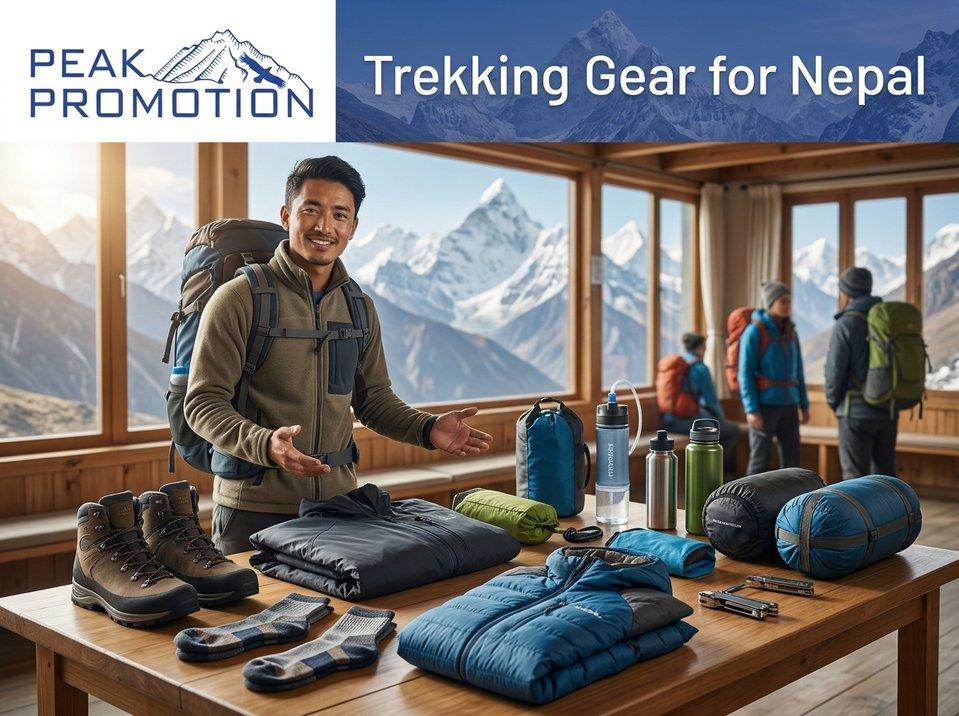
Choosing the right trekking gear for Nepal is one of the most important steps in preparing for a Himalayan adventure. From the famous Everest Base Camp Trek to the scenic Annapurna region and remote mountain trails, trekking in Nepal can take you through warm valleys, cool forests, windy ridges and high-altitude landscapes where temperatures can change quickly.
The right equipment helps you stay comfortable, manage changing weather, protect your feet and carry essential supplies. Poorly fitting footwear, inadequate insulation, an uncomfortable backpack or insufficient rain protection can make even a beautiful trekking route unnecessarily difficult.
However, packing for Nepal does not mean buying every item marketed for mountaineering. Your equipment should match your chosen route, trekking season, expected temperatures, accommodation arrangements and personal needs.
This complete trekking gear guide for Nepal explains what to pack, what to wear, which equipment matters most, what beginners can rent or buy, and how to prepare a practical packing checklist before departure.
Whether you are planning a short trek to Ghorepani Poon Hill or a demanding high-altitude journey to Everest Base Camp, use this guide to build an equipment list suited to your adventure.
Understanding Trekking Gear Requirements in Nepal
Not every trek in Nepal requires the same equipment. A lower-altitude trek during a mild season has different demands from a high-altitude route during colder months.
Before buying equipment, consider four important factors.
- Altitude: Higher elevations can bring lower temperatures, stronger winds and greater exposure to harsh conditions.
- Season: Spring, autumn, monsoon and winter create different weather and trail conditions.
- Duration: A longer trek requires more careful planning for clothing rotation, personal supplies and battery life.
- Trekking style: A teahouse trek, camping trek, guided package and independent trip may require different sleeping and luggage arrangements.
Trekking gear by route type
| Trek type | Examples | Main equipment priorities |
| Short, lower-altitude trek | Ghandruk-area hikes, shorter Poon Hill itineraries | Comfortable hiking footwear, rain protection, layers and a daypack |
| Moderate multi-day trek | Mardi Himal, Langtang Valley | Supportive footwear, warm layers, rain protection and a practical backpack |
| High-altitude teahouse trek | Everest Base Camp, Annapurna Base Camp | Insulating layers, warm accessories, suitable sleeping bag where needed and reliable water treatment |
| Remote or high-pass trek | Manaslu Circuit and other demanding routes | More careful cold-weather planning, robust rain protection, emergency supplies and route-specific equipment |
| Camping or expedition-style trip | Remote camping treks or technical climbing | Specialized sleeping systems, additional equipment and professional route-specific advice |
These are general comparisons. Exact equipment requirements depend on the itinerary, forecast, altitude profile, accommodation and services included in your package.
Essential Trekking Clothing for Nepal
Layering is one of the most useful principles for choosing trekking clothes. Rather than relying on one thick jacket, use several layers that can be added or removed as conditions change.
A typical layering system includes a moisture-managing base layer, an insulating mid-layer and an outer shell that protects against wind and rain.
▸ Base layers
Base layers sit next to your skin and help manage sweat during physical activity.
Choose comfortable, quick-drying shirts and leggings made from suitable synthetic materials or merino wool. Avoid relying entirely on heavy cotton clothing for active trekking because it can retain moisture and take a long time to dry.
Pack enough base layers for your itinerary, considering whether laundry or drying facilities will be available.
▸ Insulating mid-layers
Mid-layers help retain body heat, especially during cold mornings, rest stops and evenings.
Useful options include:
- Fleece jackets.
- Lightweight insulated jackets.
- Warm trekking trousers or thermal leggings when needed.
- A down or synthetic insulated jacket for colder conditions.
The amount of insulation required depends on the season, altitude and how well you tolerate cold. A warm jacket that works on a mild lower-altitude trek may not be sufficient for a cold, windy evening at a high elevation.
▸ Outer shell
An outer shell protects you from rain and wind.
A suitable waterproof jacket is especially useful during the monsoon and on routes where weather can change unexpectedly. Waterproof trousers may also be worthwhile for wet conditions, exposed trails or colder weather.
Look for practical features such as a hood, adjustable cuffs, useful pockets and ventilation where appropriate.
▸ Trekking trousers and shorts
Choose lightweight, comfortable trousers that allow you to walk, climb steps and move freely. Quick-drying fabrics are generally practical for multi-day trekking.
Shorts may be comfortable on warmer, lower sections, but long trousers can offer additional protection from sun, insects, scratches and cold.
For colder conditions, thermal leggings or insulated trousers may be useful, depending on your route.
Clothing checklist
| Item | Recommended use |
| Moisture-managing trekking shirts | Daily walking |
| Thermal base layers | Cold mornings and evenings |
| Fleece or warm mid-layer | Insulation during cool conditions |
| Insulated jacket | Cold weather, rest stops and high-altitude evenings |
| Waterproof jacket | Rain and wind protection |
| Waterproof trousers | Wet or cold conditions |
| Trekking trousers | Daily trail use |
| Warm hat or beanie | Cold and windy conditions |
| Sun hat or cap | Sun protection |
| Gloves | Cold mornings and higher elevations |
| Trekking socks | Comfort, moisture management and blister prevention |
| Comfortable sleepwear | Evenings and sleeping |
Adjust quantities according to trek length, laundry opportunities and the forecast. The goal is to pack enough to stay warm and dry without carrying unnecessary weight.
Choosing the Right Trekking Footwear
Footwear is one of the most important parts of your trekking equipment. Your shoes affect comfort, traction, stability and the likelihood of developing blisters during long walking days.
There is no single best boot for every Nepal trek. The right choice depends on the terrain, weather, your foot shape, pack weight and personal preference.
Trekking shoes or hiking boots?
Lightweight hiking shoes may work well for shorter treks and less demanding trails when conditions are suitable and you are comfortable with the level of support.
Mid-cut or higher hiking boots may be useful for trekkers who prefer additional ankle coverage, carry heavier loads or expect rougher conditions.
A higher boot does not automatically prevent ankle injuries. Proper fit, traction, strength, balance and careful foot placement also matter.
What to look for in trekking footwear?
- A comfortable fit with adequate toe room.
- Secure heel hold to reduce slipping.
- Suitable grip for the expected trail conditions.
- Appropriate protection for wet or rocky terrain.
- Enough space for your preferred trekking socks.
- Comfort during long walks and downhill sections.
Try footwear with the socks you intend to wear on the trek. Walk on inclines and stairs if possible, and check whether your toes hit the front of the shoe when descending.
Should you break in your trekking boots?
Yes, if your footwear needs a break-in period. Wear it on several progressively longer walks before departure.
This gives you time to identify pressure points, adjust lacing and test your socks. Do not wait until your first full trekking day to discover that your footwear causes pain.
Socks and blister prevention
Bring comfortable trekking socks that fit properly and work well with your shoes. Some trekkers prefer merino wool blends, while others use synthetic materials.
Consider packing blister dressings and basic foot-care supplies. If a hot spot develops, address it early rather than continuing until a painful blister forms.
Choosing a Trekking Backpack
Your backpack should comfortably carry the items you need without becoming unnecessarily heavy.
The ideal capacity depends on whether you are carrying all your belongings or only a daypack while a porter or transport service handles your main luggage.
Main backpack versus daypack
| Backpack type | Typical purpose | What to consider |
| Daypack | Carries water, snacks, layers, personal items and daily essentials | Comfortable straps, suitable capacity, rain protection and easy access |
| Main trekking backpack | Carries clothing and personal equipment when you are responsible for your own luggage | Fit, hip-belt comfort, capacity, durability and load management |
| Duffel bag or travel bag | Often used when luggage is transported separately | Confirm the operator's baggage allowance and porter arrangements |
Capacity requirements vary widely. A daypack in the approximate 20–30 litre range may suit many teahouse trekkers, while people carrying their own overnight equipment may need a larger backpack. These are starting points, not universal rules.
Features worth checking:
- Adjustable shoulder straps.
- A comfortable hip belt for suitable packs.
- A supportive back panel.
- Useful compartments and easy-access pockets.
- Rain cover or a reliable waterproof-liner system.
- A fit that suits your torso and expected load.
Try the backpack with a realistic load before departure. A pack that feels comfortable when empty may feel very different after several hours of walking.
Packing tip: Keep frequently needed items, such as water, snacks, rainwear and sun protection, easy to reach. Pack heavier items close to your back where practical, and avoid carrying unnecessary equipment.
Sleeping Bags and Sleeping Arrangements
Many popular trekking routes in Nepal have teahouses or lodges, so you may not need to carry a tent. However, room temperatures can be cold, especially at higher elevations and during winter.
A sleeping bag may provide extra warmth, depending on the season, accommodation and package.
How warm should your sleeping bag be?
Choose a sleeping bag based on the lowest temperatures you reasonably expect, your personal cold tolerance, the insulation available at your accommodation and whether you will use a sleeping bag liner.
Pay attention to the manufacturer's temperature ratings. A comfort rating is generally more useful for planning sleep than assuming the extreme or lower-limit rating will keep you comfortable.
For a cold-season or high-altitude trek, discuss expected nighttime conditions with your trekking operator before choosing a bag.
Should you rent or bring one?
Renting can be convenient if you do not trek regularly or do not want to transport bulky equipment internationally. If you rent, check the bag's condition, cleanliness and temperature suitability.
Bringing your own sleeping bag may be preferable if you have particular comfort requirements or are planning multiple trips.
For camping treks, your sleeping system must be selected as part of a complete setup that includes a suitable sleeping pad, shelter and weather protection.
Trekking Poles and Other Useful Accessories
Trekking poles are optional, but many hikers find them useful on steep ascents, long descents and uneven terrain.
They can provide additional points of contact and help some trekkers feel more stable, especially when carrying a daypack. However, they do not eliminate the risk of slipping or falling.
Essential accessories:
| Item | Why it is useful |
| Trekking poles | Additional support on suitable terrain |
| Headlamp | Hands-free light during early starts or power interruptions |
| Sunglasses | Protection from bright sunlight and glare |
| Sun hat | Helps protect the head and face from the sun |
| Sunscreen | Helps protect exposed skin |
| Water bottles or hydration reservoir | Carries drinking water |
| Dry bags or pack liners | Helps protect clothing and electronics from moisture |
| Quick-drying towel | Useful for washing and personal care |
| Earplugs | May help with noise in shared accommodation |
| Reusable stuff sacks | Keeps equipment organized |
| Power bank | Helps recharge essential electronics where power is available |
For snow-covered or glaciated terrain, additional technical equipment may be necessary. Do not assume ordinary trekking poles, boots and clothing are sufficient for technical mountaineering.
First Aid, Personal Medication and Hygiene
A small personal medical kit can help you manage minor problems while trekking. Its contents should reflect your personal needs, itinerary, group support and access to medical services.
Useful personal supplies:
- Blister dressings and suitable wound-care supplies.
- Adhesive bandages.
- Any regular prescription medication you need.
- Personal hygiene products.
- Hand sanitizer or suitable hand-cleaning supplies.
- Oral rehydration supplies where appropriate.
- Any additional items recommended by your healthcare professional.
Keep medicines in their original packaging where practical, and understand the instructions for use. Do not share prescription medicines or rely on a basic first aid kit to treat serious illness.
Altitude-related preparation
If your trek reaches high elevations, learn the symptoms of acute mountain sickness and understand the emergency warning signs of high-altitude cerebral edema (HACE) and high-altitude pulmonary edema (HAPE).
Ask a qualified healthcare professional whether preventive medication is appropriate for your route and medical history.
A first aid kit does not prevent altitude sickness. Gradual ascent, acclimatization and prompt action when symptoms develop remain essential.
Read Peak Promotion Nepal's related guide on altitude sickness prevention for established medical advice.
Water, Food and Personal Hydration Equipment
Access to drinking water varies by route and accommodation. Even where water is available, it may need appropriate treatment before drinking.
What should you carry?
Bring a reusable water bottle or hydration reservoir that is easy to use while walking. The capacity you need depends on your planned walking time, temperature, refill opportunities and individual requirements.
You may also want a backup bottle in case your primary system leaks or becomes difficult to use.
Water treatment options
Depending on your route, you may use:
- Water purchased from a reliable source.
- Boiled water supplied by accommodation.
- Suitable water purification tablets or drops.
- A filter designed for the relevant contaminants.
Not all treatment methods remove every type of contaminant. Check the limitations of your chosen method and follow its instructions. If you use chemical treatment, observe the required contact time.
Do not assume that clear mountain water is automatically safe to drink.
Snacks for the trail
Carry convenient snacks that suit your preferences and dietary needs. Examples include nuts, dried fruit, energy bars and other compact foods.
On longer walking days, regular meals and snacks can help maintain energy. Confirm what meals are included in your trekking package and whether you need to carry additional food.
Electronics, Navigation and Power
Electronics can help with navigation, photography and communication, but you should plan for limited connectivity and charging opportunities in some mountain areas.
Recommended electronic items:
- Mobile phone.
- Charging cable and suitable adapter.
- Power bank.
- Headlamp and spare batteries, if applicable.
- Camera and spare memory cards, if needed.
- Offline maps or downloaded route information.
- Emergency contact details saved offline.
A phone's battery may drain faster in cold conditions. Keep devices protected from moisture and extreme temperatures, and carry enough power for your planned use.
Mobile coverage and internet access vary by region, altitude and service provider. Do not rely entirely on a phone signal for emergency communication.
For remote routes, ask your operator whether additional communication equipment is appropriate.
Sun Protection and Cold-Weather Equipment
Mountain conditions can expose you to strong sunlight, wind and cold, sometimes within the same day.
At higher elevations, snow and other bright surfaces can increase glare. Sun protection remains important even when the air feels cold.
▸ Sun protection checklist:
- Sunglasses appropriate for the expected conditions.
- Sunscreen with broad-spectrum protection.
- Lip balm with sun protection.
- A hat or cap.
- Lightweight clothing that covers exposed skin when useful.
For routes involving substantial snow exposure, ask an experienced operator about suitable eyewear and any additional protection needed.
▸ Cold-weather checklist:
Depending on the season and altitude, consider:
- A warm insulated jacket.
- Thermal base layers.
- Warm gloves.
- A beanie or insulated hat.
- Warm trekking socks.
- Waterproof and wind-resistant outerwear.
- A sleeping bag suited to expected overnight temperatures, if required.
Do not choose cold-weather equipment based on daytime temperatures in Kathmandu alone. Conditions on the trekking route may be considerably colder.
What Trekking Gear Do You Need by Season?
Nepal's trekking seasons influence the equipment you should prioritize, but the best packing list also depends on the region and elevation.
| Season | General conditions to consider | Gear priorities |
| Spring (March–May) | Conditions vary by elevation; warmer lower valleys and colder high elevations | Layering, sun protection, rain shell and warm insulation |
| Monsoon (generally June–September) | Rain, wet trails, mud, leeches in some areas and possible travel disruptions | Reliable rainwear, pack liner, quick-drying clothing and suitable traction |
| Autumn (generally September–November) | Often popular for trekking, but temperatures and conditions vary | Layering, sun protection, rain protection and warm evening clothing |
| Winter (generally December–February) | Cold conditions, potential snowfall and route-specific closures or hazards | Warmer insulation, suitable gloves, headwear and cold-weather sleeping equipment if needed |
These are broad seasonal patterns rather than forecasts. Weather can differ significantly between regions, and high-altitude conditions may change quickly.
Before departure, review your itinerary, check the latest conditions and ask your trekking operator what equipment is recommended for your specific route.
Trekking Gear: What to Buy, Rent or Borrow
You do not necessarily need to buy every item before arriving in Nepal. Some equipment can be rented or purchased locally, depending on availability and quality.
However, certain items are worth choosing carefully because comfort, fit and reliability are particularly important.
| Equipment | Buy, rent or borrow? | Practical advice |
| Trekking footwear | Usually buy or use a proven personal pair | Prioritize fit and test it before departure |
| Socks and base layers | Usually bring your own | Comfort and hygiene matter |
| Backpack | Buy or borrow a well-fitting pack | Test it with a realistic load |
| Insulated jacket | Buy, borrow or rent | Check warmth and condition |
| Sleeping bag | Bring or rent | Verify temperature suitability and cleanliness |
| Trekking poles | Buy, rent or borrow | Check locking mechanisms and adjustability |
| Rainwear | Bring reliable equipment | Test waterproofing and fit |
| Headlamp | Bring your own | Test it and check battery condition |
| First aid and personal medication | Prepare personally | Include items suited to your needs |
| Technical climbing equipment | Arrange through qualified providers where appropriate | Verify specifications, condition and suitability |
What should you avoid buying at the last minute?
Avoid relying on untested footwear, poorly fitting backpacks or unfamiliar cold-weather equipment immediately before a demanding trek.
If you rent equipment, inspect it carefully. Confirm that zippers, straps, buckles, poles and closures work properly, and make sure sleeping bags and other insulating items suit your intended conditions.
How to Pack Light Without Compromising Safety?
Carrying unnecessary equipment makes long walking days more tiring. However, reducing weight should not mean leaving behind essential clothing, water, medication or safety supplies.
Use a simple approach to keep your packing list manageable.
- Start with your itinerary: Identify the expected weather, altitude, duration and accommodation.
- Pack for multiple uses: Choose layers that can work together in different conditions.
- Avoid unnecessary duplicates: Pack enough clothing for the trek, but account for drying and laundry opportunities.
- Test your equipment: Confirm that everything fits and works before departure.
- Keep essentials accessible: Store water, rainwear, snacks and important personal items where you can reach them.
- Protect against moisture: Use a pack liner or suitable dry bags for essential clothing and electronics.
- Confirm luggage arrangements: Check porter limits and package inclusions rather than assuming someone else will carry your equipment.
The best packing list is not necessarily the shortest one. It is the list that covers your real needs without unnecessary weight.
Complete Trekking Gear Checklist for Nepal
Use this checklist when preparing for your trip. Tick off the items that apply to your route, season and trekking style.
▸ Clothing:
- Moisture-managing trekking shirts
- Trekking trousers
- Base layers or thermal clothing
- Fleece or insulating mid-layer
- Warm insulated jacket
- Waterproof jacket
- Waterproof trousers, if appropriate
- Trekking socks
- Warm hat or beanie
- Sun hat or cap
- Gloves
- Comfortable sleepwear and underwear
▸ Footwear and carrying equipment:
- Tested trekking shoes or boots
- Comfortable trekking socks
- Daypack or main backpack
- Pack liner or rain cover
- Trekking poles, if desired
- Duffel or luggage bag, if required by the package
▸ Safety and personal care:
- Personal first aid supplies
- Blister dressings
- Personal prescription medication
- Sunscreen and lip protection
- Sunglasses
- Hand-cleaning supplies
- Reusable water bottle or hydration reservoir
- Suitable water-treatment method
- Personal toiletries
▸ Electronics and documents:
- Mobile phone
- Charging cables and adapter
- Power bank
- Headlamp
- Offline maps or route information
- Passport and relevant travel documents
- Required trekking permits or confirmation of arrangements
- Travel insurance details and emergency contacts
▸ Optional or route-dependent items:
- Sleeping bag
- Sleeping bag liner
- Waterproof bags for electronics
- Extra cold-weather layers
- Camera
- Earplugs
- Trail snacks
- Specialized equipment advised by your trekking operator
Review the checklist with your guide or operator before departure. Some items may already be included in your package, while others depend on the route and season.
Frequently Asked Questions (FAQ's):
Q. What trekking gear do I need for Nepal?
Most trekkers need comfortable trekking footwear, layered clothing, rain protection, a suitable backpack, sun protection, water-carrying equipment, personal medication and essential safety supplies. Higher-altitude or colder routes may require additional insulation and a suitable sleeping bag.
Q. What should I pack for the Everest Base Camp Trek?
Typical essentials include tested trekking footwear, moisture-managing clothing, insulating layers, a waterproof shell, warm gloves and a hat, sunglasses, sun protection, a daypack, water bottles, personal medication and suitable cold-weather equipment. Exact requirements depend on the season and itinerary.
Q. Do I need a sleeping bag for trekking in Nepal?
Not every trekker needs to bring one, but a sleeping bag can provide useful warmth in cold teahouses or on routes where suitable bedding is uncertain. Ask your operator about expected nighttime temperatures, accommodation and rental options before deciding.
Q. Are trekking boots necessary in Nepal?
Not for every route. Suitable hiking shoes may work for shorter or less demanding trails, while boots may be preferred for rough terrain, colder conditions or heavier loads. Fit, grip, comfort and familiarity are more important than choosing the highest boot.
Q. Can I rent trekking gear in Nepal?
Many travelers choose to rent selected items locally, depending on availability and quality. Check the condition, cleanliness, fit and suitability of any rented equipment, particularly sleeping bags and cold-weather gear.
Q. What clothes should I wear for trekking in Nepal?
Use a layering system with a moisture-managing base layer, insulating mid-layer and weather-resistant outer shell. Add warm accessories and extra insulation according to the season, altitude and forecast.
Q. Do I need trekking poles?
Trekking poles are optional. Some hikers find them useful for balance and support on ascents and descents, but they are not essential for every route. Practice using them before your trek if you plan to carry them.
Q. How much luggage should I carry while trekking?
Your load depends on your itinerary, personal needs and whether you have porter support. Carry the essentials you need during the day and confirm any main-luggage weight limits with your operator. Avoid unnecessary equipment, but do not leave behind important safety or weather protection items.
Q. Is special equipment needed for winter trekking in Nepal?
Winter trekking may require additional insulation, warm gloves, suitable headwear, weather protection and a sleeping system matched to expected temperatures. Routes with snow or technical terrain may require specialized equipment and experienced guidance.
Q. What is the most important trekking gear for beginners?
Prioritize comfortable, tested footwear, suitable layered clothing, a well-fitting backpack, rain protection, sun protection and the personal supplies you need. For high-altitude routes, appropriate acclimatization planning and emergency preparation are just as important as physical equipment.
Plan Your Trek With Peak Promotion Nepal
Having the right trekking gear helps you stay comfortable and prepared, but good equipment is only one part of a successful Himalayan journey. Choosing an appropriate route, understanding seasonal conditions and planning daily distances are equally important.
Peak Promotion Nepal has supported Himalayan trekking and expedition activities since 1992. Our trekking planning and local logistics support can help you prepare for the route, understand practical equipment requirements and organize your journey according to your itinerary.
Explore our trekking routes in Nepal or learn more about the Everest Base Camp Trek.
Ready to Trek Nepal?
Explore Nepal's Himalayas with experienced local support, carefully planned routes and reliable trekking logistics.
Peak Promotion Pvt. Ltd.
Contact: +977 9841135705
Email: info@peakpromotionnepal.com
Location: Lazimpat, Kathmandu 44600, Nepal
Plan Your Trek with Peak Promotion Nepal.