Altitude Sickness in Nepal: Prevention and What to Know Before Your Trek
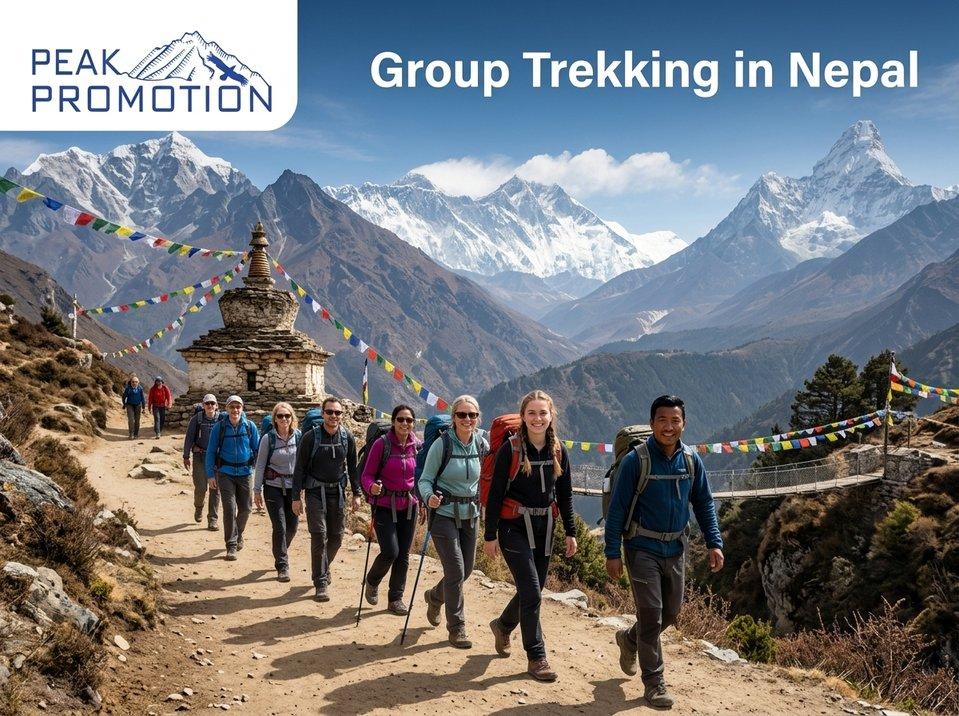
Nepal is home to some of the world's most spectacular trekking destinations, including Everest Base Camp, Annapurna Base Camp, Langtang Valley and remote Himalayan mountain passes. These journeys offer extraordinary scenery, cultural experiences and the opportunity to explore landscapes at elevations far above everyday living environments.
However, trekking at high altitude also comes with an important health consideration: altitude sickness.
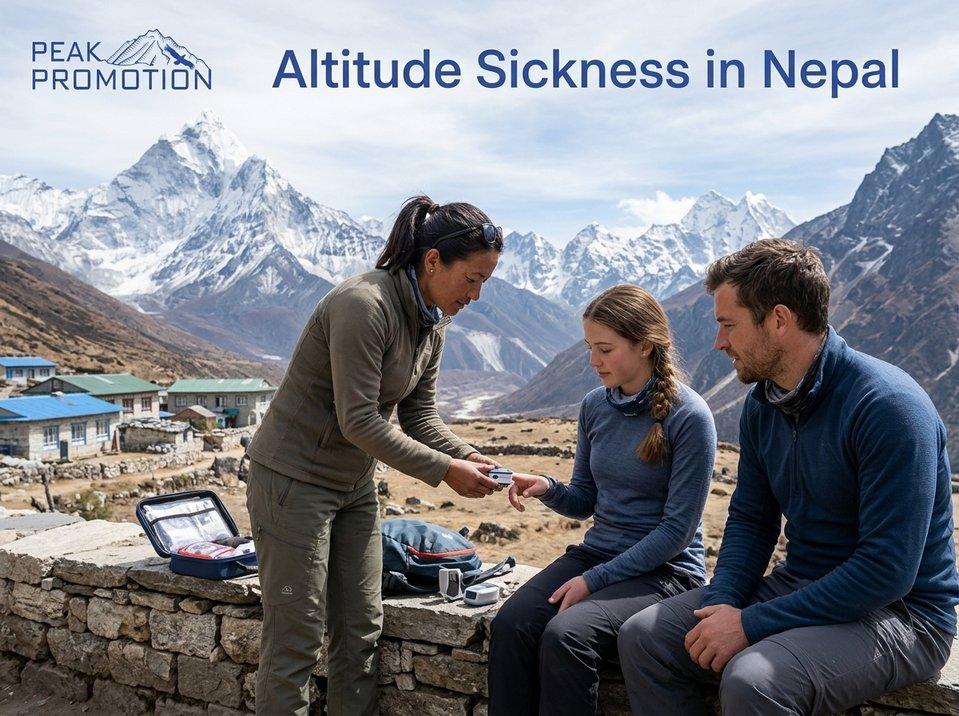
Altitude sickness in Nepal can affect trekkers who ascend to high elevations before their bodies have had enough time to adjust to the reduced availability of oxygen. It can occur in beginners and experienced hikers alike, regardless of how physically fit they are.
The good news is that careful itinerary planning, gradual ascent, appropriate acclimatization and early recognition of symptoms can reduce the risk of serious altitude-related illness.
This guide explains what altitude sickness is, why it happens, which symptoms to recognize, how to prepare for a Himalayan trek and what to do if you or another trekker becomes unwell.
Important medical note: This article provides general educational information, not an individual diagnosis or treatment plan. Suspected severe altitude illness is a medical emergency. Do not continue ascending when altitude sickness is suspected, and seek urgent assistance if symptoms are severe or worsening.
What Is Altitude Sickness?
Altitude sickness, also known as acute altitude illness, describes health problems that can develop when someone ascends to high elevations without sufficient acclimatization.
At higher elevations, atmospheric pressure decreases. As a result, each breath provides less available oxygen than it would at sea level. Your body needs time to adjust to these conditions.
Travelers who ascend too quickly may develop altitude-related symptoms, particularly above approximately 2,500 metres. Individual risk varies depending on ascent speed, sleeping altitude, previous altitude experience and other factors.
Altitude illness is commonly divided into three conditions:
| Condition | What it means | Main warning signs |
| Acute mountain sickness (AMS) | A relatively common form of altitude illness | Headache, nausea, dizziness, fatigue and reduced appetite |
| High-altitude cerebral edema (HACE) | A severe, potentially life-threatening form involving the brain | Confusion, unusual behaviour, difficulty walking straight or reduced consciousness |
| High-altitude pulmonary edema (HAPE) | A potentially life-threatening condition involving fluid accumulation in the lungs | Breathlessness at rest, worsening cough, chest congestion and reduced exercise tolerance |
AMS can range from mild to severe. HACE and HAPE are medical emergencies requiring immediate action.
These conditions may occur separately or together. Do not assume that someone is safe simply because they do not have every symptom on the list.
Why Is Altitude Sickness a Concern in Nepal?
Many popular trekking routes in Nepal climb well above 3,000 metres, and some reach elevations exceeding 5,000 metres. At these heights, inadequate acclimatization can become a serious concern.
For example, Everest Base Camp is approximately 5,364 metres above sea level. Trekkers on this route spend multiple days progressively ascending through mountain villages and high-altitude settlements.
The challenge is not simply reaching a high point. The altitude at which you sleep and how quickly you ascend are particularly important to altitude illness risk.
Factors that can increase risk:
- Ascending too quickly.
- Sleeping at a substantially higher elevation without sufficient acclimatization.
- Having a previous history of altitude illness.
- Following an itinerary with insufficient time to adjust.
- Ignoring early symptoms and continuing to ascend.
- Having limited access to timely medical assistance in remote areas.
A physically demanding itinerary may add fatigue, but physical fitness alone does not protect someone from altitude sickness.
Even an experienced trekker who regularly exercises can become ill after ascending too quickly.
Common Symptoms of Altitude Sickness
Recognizing early symptoms is one of the most important parts of trekking safely in Nepal.
Symptoms of acute mountain sickness commonly begin within several hours to a few days after ascending to high altitude. Headache is a common symptom, and nausea, dizziness, fatigue and reduced appetite may also occur.
Some symptoms can resemble dehydration, exhaustion, migraine or other illnesses. You cannot reliably rule out altitude sickness based on one symptom or how fit you feel.
Early symptoms to watch for:
- Headache: A new headache after ascending to higher elevations can be a warning sign, particularly when accompanied by other symptoms.
- Nausea or loss of appetite: You may feel sick, have difficulty eating or lose interest in food.
- Dizziness: You may feel light-headed or unusually unsteady.
- Fatigue and weakness: You may feel much more exhausted than expected for the amount of walking you have done.
- Sleep disturbance: Sleeping at altitude may become difficult, although poor sleep alone does not establish a diagnosis of altitude sickness.
When should you be concerned?
Pay attention to new symptoms following ascent, particularly when several occur together or become worse.
Tell your guide or trekking companions promptly. Do not dismiss symptoms because you are close to your destination or because everyone else in the group feels well.
A trekker who becomes unwell should not be pressured to keep pace with the group.
Severe Altitude Illness: Emergency Warning Signs
Two serious altitude-related conditions require particular attention: high-altitude cerebral edema and high-altitude pulmonary edema.
▸ High-altitude cerebral edema (HACE)
HACE involves swelling of the brain associated with high altitude. It is a life-threatening emergency.
Warning signs include:
- Confusion or altered mental status.
- Unusual behaviour or difficulty staying alert.
- Loss of coordination or difficulty walking straight.
- Severe deterioration in the person's condition.
- Reduced consciousness.
A person with suspected HACE needs urgent emergency assistance and descent to a lower altitude as soon as possible, with medical support and oxygen if available.
Do not allow someone who is confused or unable to walk normally to descend alone.
▸ High-altitude pulmonary edema (HAPE)
HAPE involves fluid accumulation in the lungs and can become life-threatening.
Warning signs include:
- Breathlessness that occurs even while resting.
- A worsening cough.
- Unusual weakness or rapidly declining exercise tolerance.
- Chest tightness or congestion.
- Increasing difficulty breathing, especially when accompanied by other symptoms.
Suspected HAPE requires urgent assistance, oxygen if available and descent to a lower altitude. Minimize exertion during evacuation.
▸ Emergency response
If someone develops confusion, difficulty walking straight, breathlessness at rest or rapidly worsening symptoms at altitude:
- Stop the ascent immediately.
- Alert the guide and other responsible members of the trekking team.
- Arrange urgent medical assistance and descent to a lower elevation.
- Provide supplemental oxygen if available and appropriate while help is arranged.
- Do not leave the affected person alone or expect them to continue walking normally.
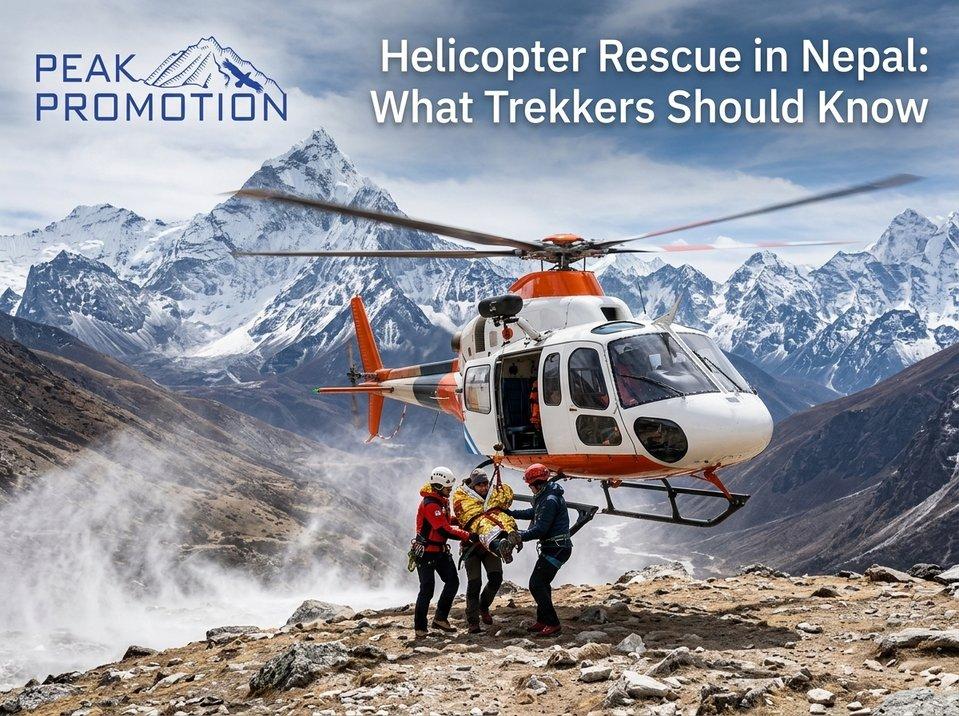
In remote terrain, weather and geography may complicate evacuation. Contact local emergency support and the trekking operator as quickly as possible.
Do not wait until morning or continue toward a higher sleeping altitude when severe altitude illness is suspected.
For additional medical information, consult the CDC Yellow Book guidance on high-altitude travel and altitude illness.
How to Prevent Altitude Sickness in Nepal?
There is no guaranteed way to prevent every case of altitude sickness. However, several well-established measures can reduce risk and help trekkers respond appropriately if symptoms develop.
▸ Ascend gradually
One of the most important preventive measures is controlling how quickly you gain sleeping altitude.
Avoid itineraries that require a rapid increase in sleeping elevation without allowing enough time for acclimatization. When planning a trek, review the elevation profile for every day rather than considering only the final destination.
For many itineraries, the safest approach is to build altitude gradually and include appropriate rest or acclimatization days.
▸ Plan acclimatization days
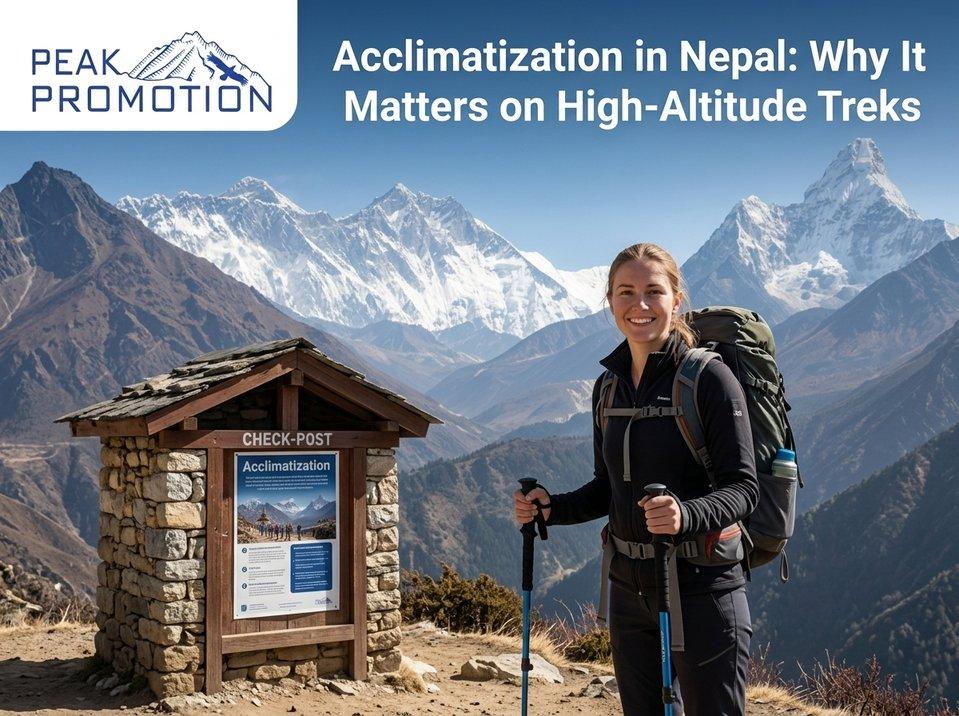
An acclimatization day gives your body more time to adjust before you ascend further.
These days are often built into high-altitude itineraries, including treks in the Everest region. They may include gentle activity at a similar sleeping altitude or a walk to a higher point followed by a return to sleep lower.
An acclimatization day is not a guarantee against illness. You still need to monitor symptoms and avoid ascending when unwell.
▸ Avoid ascending to sleep higher when symptomatic
This is a critical safety rule.
If you develop symptoms consistent with altitude sickness, do not move to a higher sleeping altitude. Mild symptoms may sometimes improve with rest at the same elevation and appropriate monitoring, but worsening or severe symptoms require descent and medical assessment.
Never let a fixed itinerary or a desire to reach a particular destination override this rule.
▸ Choose a realistic itinerary
A shorter trek is not automatically safer if it requires an excessively rapid ascent. Likewise, a longer itinerary is not automatically safe if it includes unsuitable elevation gains.
Choose an itinerary that accounts for the route's elevation profile, your previous altitude experience and the time available for acclimatization.
If you have previously experienced altitude illness, discuss your plans with a healthcare professional experienced in travel or high-altitude medicine.
▸ Avoid overexertion during the initial ascent
Trek at a manageable pace, especially during the first days at altitude. Avoid turning every uphill section into a race.
Allow breaks, eat regularly and pay attention to how you feel. Overexertion can make a trek more exhausting, although fatigue alone does not determine whether altitude sickness will occur.
▸ Stay hydrated without forcing excessive water intake
Drink regularly according to your activity, temperature and personal needs. Carry sufficient water and take opportunities to refill safely.
Dehydration can cause symptoms that overlap with altitude illness, but drinking excessive amounts of water does not prevent altitude sickness and can itself be dangerous.
▸ Avoid alcohol and sedatives when adjusting to altitude
Alcohol and sedative medications can worsen sleep quality, impair judgement or affect breathing. Avoid using alcohol to help yourself sleep at altitude, and seek medical advice before taking medicines that may affect breathing or alertness.
These steps complement gradual ascent; they do not replace it.
Understanding Acclimatization on a Nepal Trek
Acclimatization is the process through which your body adjusts to the reduced oxygen availability at higher elevations.
It takes time, and the process varies between individuals. Some trekkers adapt more easily than others, but nobody should assume that previous success guarantees the same response on a future trip.
Why acclimatization matters?
As you spend time at altitude, your body makes physiological adjustments that help you function in an environment with less available oxygen.
A suitable itinerary allows these changes to develop while reducing the risk associated with rapid ascent.
The Centers for Disease Control and Prevention notes that the first few days at altitude are especially important for acclimatization. Adding time to an itinerary may improve both safety and comfort on demanding routes.
What does a gradual ascent look like?
A sensible itinerary considers the elevation where you sleep, not just the highest point you visit during the day.
Common planning guidance recommends that above about 3,000 metres, sleeping elevation should generally increase by no more than around 500 metres per day, with an additional acclimatization day for every roughly 1,000 metres of sleeping-altitude gain. These are planning guidelines, not a guarantee of safety, and some routes or individuals require a more conservative approach.
The appropriate schedule depends on the whole itinerary, your previous acclimatization and individual risk factors.
Example: Acclimatization on the Everest Base Camp Trek
A typical Everest Base Camp itinerary includes stops at progressively higher settlements, with an acclimatization period in the Namche Bazaar area and, depending on the itinerary, further time around Dingboche.
Exact schedules vary by operator and route. A qualified trekking planner should review the elevation profile and avoid unnecessary rapid gains in sleeping altitude.
Learn more about the route through Peak Promotion Nepal's Everest Base Camp Trek page.
Can Physical Fitness Prevent Altitude Sickness?
No. This is one of the most common misconceptions about high-altitude trekking.
Cardiovascular fitness and leg strength can help you manage long walking days, steep ascents and repeated descents. However, altitude sickness is not simply a result of being unfit.
A person who regularly runs, cycles or hikes can still develop AMS, HACE or HAPE if they ascend too quickly or are susceptible to altitude illness.
What fitness training can do?
- Help you sustain walking for longer periods.
- Improve leg strength and endurance.
- Make steep trails and repeated daily activity more manageable.
- Help you recover from ordinary physical exertion.
What fitness training cannot do?
- Guarantee that you will acclimatize quickly.
- Eliminate your risk of altitude sickness.
- Replace rest and acclimatization days.
- Make it safe to ascend when symptoms are worsening.
- Replace appropriate medical care.
Prepare your body before travelling, but treat acclimatization as a separate part of your trekking plan.
Should You Take Medication to Prevent Altitude Sickness?
Some medications can help prevent altitude illness for travelers whose itinerary or personal history places them at increased risk.
Acetazolamide is commonly used for prevention because it helps the body acclimatize more quickly. However, whether it is appropriate depends on the individual's medical history, planned ascent, contraindications, potential adverse effects and other medications.
A qualified healthcare professional with experience in travel medicine or high-altitude medicine can assess your risk and advise whether preventive medication is appropriate.
Important medication considerations:
- Seek medical advice before the trek, not after symptoms become severe.
- Discuss allergies, existing health conditions and other medications.
- Follow the prescribed instructions if medication is recommended.
- Do not use medication as a substitute for gradual ascent.
- Do not assume medication makes it safe to continue ascending when you feel unwell.
Other medicines may be used by clinicians in specific circumstances, including treatment of severe altitude illness. These are not interchangeable self-treatment options.
This article does not provide an individual prescription or dosing plan. For current evidence-based guidance, review the Wilderness Medical Society's 2024 clinical practice guidelines.
What Should You Do If You Develop Altitude Sickness?
Your response should depend on the symptoms and how they change over time. When in doubt, seek qualified medical advice rather than trying to diagnose yourself.
If symptoms are mild:
If you develop a headache, nausea, dizziness or unusual fatigue after ascending:
- Stop ascending to a higher sleeping altitude.
- Inform your guide or trekking companions.
- Rest at your current elevation and monitor your symptoms.
- Seek advice from a qualified medical professional or an appropriate local medical service.
- Do not resume ascent until symptoms have resolved and it is considered safe to do so.
Mild symptoms can worsen. Do not assume they will disappear simply because you are fit or because other trekkers are continuing.
If symptoms worsen or do not improve
Arrange descent and medical assessment if symptoms worsen despite rest or appropriate care, or if they fail to improve within a reasonable period.
The CDC and Wilderness Medical Society recommend descent for worsening altitude illness and urgent descent for severe symptoms.
If severe symptoms develop
Confusion, difficulty walking straight, reduced consciousness or breathlessness at rest should be treated as an emergency.
Arrange urgent descent, contact emergency support and provide oxygen if available and appropriate. Minimize exertion, especially if HAPE is suspected.
Do not leave the affected person behind, send them down alone or ask them to continue to the next scheduled stop.
How a Trekking Guide Can Help With Altitude Awareness?
A knowledgeable trekking guide can play an important role in supporting altitude awareness during a Himalayan journey.
A guide familiar with the route may help manage daily walking pace, follow the planned itinerary, recognize possible warning signs and coordinate assistance when a trekker becomes unwell.
However, a guide cannot guarantee prevention or replace medical expertise.
Support a guide may provide
| Area | How it can help |
| Itinerary planning | Helps organize a route with appropriate time for gradual ascent |
| Daily monitoring | Encourages trekkers to report new symptoms and changes in condition |
| Local communication | Helps contact the trekking operator, health services or emergency support |
| Decision-making | Supports stopping ascent or changing plans when concerns arise |
| Logistics | Helps coordinate accommodation, transport and other arrangements during disruptions |
Trekkers should be open about symptoms, even if they fear delaying the group. Prompt reporting allows the team to respond earlier.
When choosing a trekking operator, ask about the guide's route experience, altitude-safety knowledge and emergency procedures.
Explore Peak Promotion Nepal's trekking routes when planning your journey.
Altitude Sickness Preparation Checklist
Before leaving for a high-altitude trek in Nepal, use this checklist to review your preparations.
- I have selected an itinerary with appropriate time for acclimatization.
- I understand the planned sleeping elevations and daily altitude gains.
- I know the early symptoms of altitude sickness.
- I know the emergency warning signs of HACE and HAPE.
- I have discussed relevant medical concerns with a qualified healthcare professional.
- I have asked whether preventive medication is appropriate for me.
- I understand that fitness does not eliminate altitude illness risk.
- I will tell my guide or trekking companions if I feel unwell.
- I will not ascend to a higher sleeping altitude when experiencing suspected altitude sickness.
- I have discussed emergency communication and evacuation arrangements.
- My travel insurance covers the planned trekking altitude and emergency evacuation, subject to its terms.
This checklist does not replace professional medical advice, but it can help you identify important questions before departure.
Frequently Asked Questions (FAQ's):
Q. What is altitude sickness in Nepal?
Altitude sickness is a group of health conditions that can develop when someone ascends to high elevations without adequate acclimatization. It includes acute mountain sickness (AMS) and more serious conditions such as HACE and HAPE.
Q. At what altitude can altitude sickness begin?
Risk becomes significant for many unacclimatized travelers above approximately 2,500 metres, although individual responses vary and illness can occur at lower elevations. Risk depends on ascent rate, sleeping altitude and personal susceptibility.
Q. What are the first symptoms of altitude sickness?
Common symptoms include headache, nausea, dizziness, fatigue and reduced appetite after ascending. Symptoms should be taken seriously, particularly when they worsen or occur together.
Q. How can I prevent altitude sickness during trekking in Nepal?
Ascend gradually, include appropriate acclimatization days, avoid ascending to a higher sleeping altitude when symptomatic and follow a realistic itinerary. Consult a qualified healthcare professional about preventive medication if appropriate.
Q. Can fit people get altitude sickness?
Yes. Fitness can help with the physical demands of trekking, but it does not guarantee acclimatization or prevent altitude illness.
Q. Does drinking more water prevent altitude sickness?
No. Adequate hydration is important, but forcing excessive amounts of water does not prevent altitude sickness and may be harmful. Drink according to your needs and activity.
Q. Is altitude sickness common on the Everest Base Camp Trek?
Altitude illness is a recognized risk on the Everest Base Camp Trek because the route reaches high elevations. Risk varies by person and itinerary, making gradual ascent, acclimatization and symptom awareness essential.
Q. Should I continue trekking if I have a headache at altitude?
Do not ascend to a higher sleeping altitude when altitude sickness is suspected. Report the headache and any other symptoms to your guide, rest at the current elevation and seek appropriate medical advice. Worsening or severe symptoms require urgent action and descent.
Q. Which medicine prevents altitude sickness?
Acetazolamide is commonly used for prevention in appropriate travelers. A qualified healthcare professional should determine whether it is suitable for you, taking account of your itinerary, medical history and potential side effects.
Q. When should I descend because of altitude sickness?
Urgent descent is required for severe symptoms, including confusion, difficulty walking straight, reduced consciousness or breathlessness at rest. Descent should also be arranged when altitude illness worsens or fails to improve despite appropriate care. Seek emergency assistance whenever severe altitude illness is suspected.
Q. Can a trekking guide treat altitude sickness?
A guide may recognize warning signs and help coordinate assistance, but a guide is not a substitute for a qualified medical professional. Severe altitude illness requires urgent action, including descent and medical support.
Conclusion
Altitude sickness is one of the most important health risks to understand before trekking in Nepal. Recognizing early symptoms, choosing an appropriate itinerary and allowing sufficient time for acclimatization can help reduce the risk of serious illness.
Remember the essential rules: ascend gradually, never continue ascending when altitude sickness is suspected, and seek urgent help and descent if symptoms become severe or worsen.
Good physical preparation, informed planning and reliable local support can help you approach your Himalayan adventure more responsibly. But no training plan, medication or guide can eliminate every risk associated with high altitude.
Plan Your Himalayan Trek With Peak Promotion Nepal
Explore Nepal's Himalayas with experienced local support, carefully planned routes and reliable trekking logistics.
Peak Promotion Pvt. Ltd.
Contact: +977 9841135705
Email: info@peakpromotionnepal.com
Location: Lazimpat, Kathmandu 44600, Nepal
Plan Your Trek with Peak Promotion Nepal.