Everest IMAX Film Expedition 1996: Peak Promotion's Historic Role
The Everest IMAX Film Expedition 1996 remains an important chapter in the history of high-altitude filmmaking and Himalayan mountaineering. The expedition brought together experienced climbers, filmmakers, technical specialists, and local support teams to accomplish something exceptionally demanding: capturing large-format IMAX images from the summit of Mount Everest.
Led by renowned mountaineer and filmmaker David Breashears, the expedition included climbers and professionals such as Ed Viesturs, Jamling Tenzing Norgay, and Robert Schauer. The project combined advanced filmmaking technology with the realities of climbing at extreme altitude.
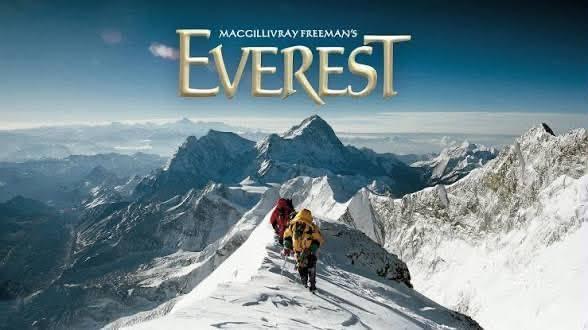
On May 23, 1996, the IMAX team reached the summit and captured historic footage from the top of Mount Everest. Contemporary National Geographic reporting by Ed Viesturs confirms that the IMAX team reached the summit that day, while the Himalayan Database records the David Breashears-led Everest IMAX expedition as reaching the summit on May 23, 1996.
For Peak Promotion Pvt. Ltd., the expedition represents an important milestone in its history of supporting international mountaineering and film-production projects in Nepal. Peak Promotion identifies itself as the local partner for the 1996 Everest IMAX Film project.
Everest IMAX Film Expedition 1996 at a Glance
The project was much more than a conventional film shoot. It was an expedition that required filmmakers and climbers to operate in one of the most demanding environments on Earth.
| Everest IMAX Project Detail | Information |
| Project | Everest IMAX Film Expedition |
| Expedition Year | 1996 |
| Mountain | Mount Everest |
| Elevation | Approximately 8,849 m / 29,032 ft |
| Summit Date | May 23, 1996 |
| Expedition Leader | David Breashears |
| Notable Team Members | Ed Viesturs, Jamling Tenzing Norgay, Robert Schauer and others |
| Production Company | MacGillivray Freeman Films |
| Directors | Greg MacGillivray, David Breashears and Stephen Judson |
| Film | Everest |
| Narrator | Liam Neeson |
| Music | Featuring music by George Harrison |
| Filming Format | IMAX / large-format filmmaking |
| Film Release | 1998 |
| Peak Promotion's Role | Local partner and expedition-related support in Nepal |
The Himalayan Database records the expedition as a 1996 USA expedition led by David Breashears, with the summit reached on May 23, 1996.
MacGillivray Freeman confirms that Everest was first released in 1998, narrated by Liam Neeson and featuring music by George Harrison.
The Vision Behind the Everest IMAX Film
The objective of the expedition was to bring audiences closer to the experience of climbing Mount Everest through the immersive capabilities of IMAX filmmaking.
At the time, producing large-format footage on Everest presented challenges far beyond those encountered during a normal documentary shoot.
The production team had to deal with:
- Extremely high altitude
- Low oxygen availability
- Severe cold
- Unpredictable Himalayan weather
- Difficult mountain terrain
- Long expedition schedules
- Heavy and specialized camera equipment
- Limited transportation options
- Remote working conditions
- Complex coordination between international and local teams
The expedition therefore required two types of expertise to work together: mountaineering expertise and filmmaking expertise.
The resulting footage allowed audiences to experience the scale of Everest in a way that conventional filming could not easily reproduce.
Historic IMAX Footage From the Summit of Everest
One of the defining achievements of the expedition occurred on May 23, 1996, when the IMAX team reached the summit.
The Himalayan Database records May 23 as the summit date of the David Breashears-led Everest IMAX expedition. Ed Viesturs also documented that the IMAX team climbed to the summit on May 23 and that Breashears filmed from the summit.
This achievement was particularly significant because the team had to carry and operate specialized filmmaking equipment in an environment where physical movement itself becomes increasingly difficult.
The expedition demonstrated that high-quality large-format filmmaking could be conducted under extreme mountaineering conditions.
Key Milestones:
| Year / Date | Milestone |
| 1996 | Everest IMAX filming expedition conducted |
| May 23, 1996 | Expedition reached the summit and captured historic footage |
| 1996 | The expedition operated during the tragic Everest season |
| 1998 | Everest released as a giant-screen documentary |
| 2009 | Film inducted into the IMAX Hall of Fame |
| 2021 | Special director's-cut/re-release campaign marked the 25th anniversary of the 1996 expedition |
MacGillivray Freeman states that Everest was later inducted into the IMAX Hall of Fame and became the highest-grossing giant-screen documentary of all time according to the company's published history.
The Technical Challenge of Filming at Extreme Altitude
Filming at Everest is fundamentally different from filming at sea level.
A production crew normally depends on vehicles, electricity, easy equipment access, communications infrastructure, accommodation and nearby technical support. On Everest, many of these resources are limited or unavailable.
Every piece of equipment must be carefully planned and transported.
Major Filming Challenges
| Challenge | Why It Matters |
| Extreme altitude | Reduced oxygen affects physical performance and endurance |
| Cold temperatures | Can affect both people and equipment |
| Heavy equipment | Professional cameras and accessories add logistical demands |
| Weather | Snow, wind and cloud can change conditions rapidly |
| Terrain | Glaciers, icefalls and steep mountain routes complicate movement |
| Power requirements | Remote filming requires careful energy planning |
| Acclimatization | Crew members need time to adapt to altitude |
| Communication | Reliable communication is essential in remote environments |
| Emergency planning | High-altitude production requires contingency planning |
| Local coordination | Mountain operations depend heavily on experienced local teams |
The original Everest IMAX expedition demonstrates how filmmaking at extreme altitude becomes an expedition-management challenge as much as a creative one.
The 1996 Everest Season
The Everest IMAX expedition took place during the now-famous 1996 Everest season, a period that became one of the most significant and tragic chapters in modern Everest history.
The expedition was not simply filming an isolated mountain environment. The team was operating on Everest during a season in which severe weather and climbing accidents resulted in multiple deaths.
PBS/NOVA's contemporary expedition coverage documented the IMAX team's progress throughout the spring of 1996 and the tragedy that claimed eight lives that season.
MacGillivray Freeman likewise notes that its filmmakers were on the mountain during the 1996 storm and became involved in rescue efforts.
This context adds another dimension to the resulting film.
The project ultimately documented not only the physical beauty of Mount Everest but also the human challenges and risks associated with climbing the world's highest mountain.
The People Behind the Expedition
The success of an Everest film expedition depends on a large group of people working together.
✦ David Breashears
David Breashears was an accomplished mountaineer, filmmaker and expedition leader. He led the 1996 Everest IMAX expedition and played a central role in combining mountaineering with large-format filmmaking.
His experience was particularly important because the project required someone who understood both the technical demands of filmmaking and the realities of high-altitude climbing.
✦ Ed Viesturs
American mountaineer Ed Viesturs was another important member of the expedition.
Viesturs later described the May 23 summit climb and the team's filming efforts in his account for National Geographic.
✦ Jamling Tenzing Norgay
Jamling Tenzing Norgay, son of legendary Everest summiteer Tenzing Norgay, was also part of the expedition.
His participation represented an important connection between the history of Everest mountaineering and the next generation of Himalayan climbers.
✦ Robert Schauer
Robert Schauer was also part of the expedition team and participated in the demanding filming and climbing operations.
Together, these experienced climbers and filmmakers helped make the Everest IMAX project possible.
Peak Promotion's Role in the Everest IMAX Film Expedition
For an international film crew working in Nepal, local support is essential.
Peak Promotion's published achievements identify the company as the local partner for the Everest IMAX Film 1996, directed by Greg MacGillivray, David Breashears and Stephen Judson for MacGillivray Freeman Films.
Supporting a Himalayan film project involves much more than arranging ordinary travel.
Mountain filming can require coordination involving:
- Local transportation
- Expedition logistics
- Equipment movement
- Accommodation
- Local staff
- Mountain crews
- Government coordination
- Permits and documentation
- Communications
- Location support
- On-ground problem solving
- High-altitude logistics
Peak Promotion's current film-production service information also lists high-altitude filming logistics, location scouting, government liaison, transportation, cargo and freight management, accommodation, expedition logistics and experienced Sherpa and mountain crews among its services.
Peak Promotion's Film & Expedition Experience
The Everest IMAX project is part of a longer history of Peak Promotion's involvement with international productions and Himalayan expeditions.
Peak Promotion's published achievements list projects involving National Geographic, Discovery, BBC, WGBH/NOVA and other international productions, alongside the Everest IMAX project.
Experience Relevant to Himalayan Productions
| Area of Experience | Support Provided |
| Film & Documentary Production | Local production and logistical support |
| Everest Filming | High-altitude expedition coordination |
| Himalayan Filming | Local teams and mountain logistics |
| Expedition Logistics | Planning and operational coordination |
| Equipment Logistics | Movement of production and expedition equipment |
| Transportation | Ground and mountain transportation arrangements |
| Local Coordination | Coordination with local teams and stakeholders |
| High-Altitude Support | Experienced mountain personnel |
| Production Crew Support | On-ground assistance |
| Location Coordination | Support for remote filming locations |
| Government Liaison | Permit and administrative coordination |
| Expedition Management | Operational support throughout the project |
This experience becomes particularly valuable when a production moves beyond Kathmandu and into remote Himalayan environments.
Why Local Expertise Matters for Film Production in Nepal?
International film crews may bring directors, cinematographers, producers and technical specialists from around the world.
However, filming in Nepal's remote regions requires knowledge of the local operating environment.
A local production partner can help bridge the gap between an international production plan and the realities of working in the Himalayas.
Local Expertise Can Help With:
1. Mountain logistics
Remote locations require detailed transportation and equipment planning.
2. Local staffing
Experienced guides, Sherpas, porters and support personnel can be essential for mountain operations.
3. Government coordination
Productions may require permits, approvals and communication with relevant authorities.
4. Accommodation
Mountain locations have limited accommodation compared with major cities.
5. Equipment movement
Moving equipment into remote areas requires careful scheduling and coordination.
6. Contingency planning
Weather and mountain conditions can change production schedules quickly.
7. Cultural and environmental awareness
Local teams can help international productions operate respectfully within communities and sensitive environments.
Peak Promotion's current production services specifically highlight government liaison, permits, location scouting, high-altitude filming logistics, cargo management, helicopter and mountain logistics, accommodation and experienced Sherpa teams.
From Everest Expedition to Giant-Screen Documentary
The footage captured during the expedition eventually became the giant-screen documentary Everest.
The film was released in 1998 and was narrated by Liam Neeson, with music featuring George Harrison.
MacGillivray Freeman describes the film as the highest-grossing giant-screen documentary of all time and notes that it was later recognized through induction into the IMAX Hall of Fame.
The film's success demonstrated the power of combining:
- Adventure
- Science
- Mountaineering
- Documentary storytelling
- Large-format cinematography
- Human experience
Rather than simply presenting Everest as a distant mountain, the film brought audiences into the expedition environment.
A Production That Changed the Scale of Everest Filmmaking
The Everest IMAX project helped demonstrate the possibilities of large-format filmmaking in extreme environments.
The production combined:
| Component | Contribution |
| Mountaineering | Access to extreme-altitude locations |
| IMAX Technology | Large-format visual storytelling |
| Experienced Climbers | Safe and practical mountain operations |
| Film Crew | Cinematography and documentary production |
| Local Partner | Nepal-based logistics and coordination |
| Sherpa & Mountain Teams | High-altitude operational support |
| International Production Team | Global filmmaking expertise |
| Post-Production | Transformation of expedition footage into a documentary |
This combination was critical to turning an ambitious concept into a completed film.
The Legacy of Everest IMAX Film 1996
The Everest IMAX Film Expedition remains significant for several reasons.
1. It combined filmmaking and mountaineering
The project demonstrated how a major film production could operate in an extreme mountain environment.
2. It captured Everest at extraordinary scale
Large-format imagery provided audiences with a highly immersive view of the mountain.
3. It documented a historic Everest season
The expedition took place during the dramatic 1996 Everest season and became part of its historical record.
4. It connected international and local expertise
The project relied on experienced climbers, filmmakers and local Himalayan support.
5. It created a lasting documentary
The resulting Everest film continued to reach audiences long after the original expedition.
Peak Promotion: A Historic Achievement We Are Proud Of
For Peak Promotion, participation in the Everest IMAX Film Expedition 1996 represents more than a single project.
It reflects the importance of experienced local support when international teams undertake ambitious projects in Nepal's mountains.
Peak Promotion's published company history identifies the 1996 Everest IMAX Film as one of its major film and expedition collaborations.
The company's experience has since expanded across film production, documentaries, mountaineering expeditions, trekking, Himalayan logistics and high-altitude operations.
Its current production services are designed for international filmmakers, broadcasters, production houses and documentary crews working throughout Nepal and the Himalayas.
Film Production in Nepal: From the Himalayas to Remote Locations
Today, filming in Nepal can involve far more than Mount Everest.
Production teams may work in:
- Everest region
- Annapurna region
- Langtang
- Mustang
- Manaslu
- Dolpo
- Remote Himalayan valleys
- National parks
- Heritage sites
- Rural communities
- Kathmandu Valley
Every location creates different logistical requirements.
A professional local partner can help production teams plan transportation, accommodation, permits, local staffing, equipment movement and mountain operations before filming begins.
Planning a Himalayan Film or Documentary?
Producing a film in the Himalayas requires preparation well before the cameras start rolling.
A successful production plan should consider:
✦ Pre-Production
- Location research
- Permit requirements
- Route planning
- Crew requirements
- Equipment planning
- Accommodation
- Transportation
- Local staffing
- Safety and contingency planning
✦ Production
- Ground logistics
- Mountain guides and Sherpa support
- Equipment transportation
- Accommodation management
- Local coordination
- Communication
- Schedule adjustments
- Emergency support
✦ Post-Production Support
Although post-production may take place outside Nepal, reliable local documentation, logistics records and coordination can help ensure that the production process is properly completed.
Peak Promotion's Modern Film & Expedition Services
The experience represented by the Everest IMAX project continues through Peak Promotion's current production and expedition services.
Today, the company provides support for international productions requiring services such as:
- Film and television production logistics
- Documentary production support
- High-altitude filming
- Location scouting
- Production fixer services
- Government liaison
- Permit coordination
- Cargo and freight management
- Transportation
- Helicopter and mountain logistics
- Accommodation
- Expedition logistics
- Sherpa and mountain crews
These services are particularly relevant for productions working in remote or high-altitude areas where ordinary production infrastructure may not be available.
Frequently Asked Questions (FAQ's):
1. What was the Everest IMAX Film Expedition 1996?
The Everest IMAX Film Expedition was a high-altitude filmmaking expedition led by David Breashears that aimed to capture large-format IMAX footage on Mount Everest.
2. When did the Everest IMAX team reach the summit?
The expedition reached the summit of Mount Everest on May 23, 1996.
3. Who led the Everest IMAX expedition?
The expedition was led by mountaineer and filmmaker David Breashears.
4. Who were some of the climbers involved?
Notable expedition members included Ed Viesturs, Jamling Tenzing Norgay and Robert Schauer, along with other expedition members. Peak Promotion's historical record identifies these members in connection with the 1996 expedition.
5. Who directed the Everest IMAX film?
The film was directed by Greg MacGillivray, David Breashears and Stephen Judson.
6. When was the Everest IMAX documentary released?
The original Everest giant-screen documentary was released in 1998.
7. Who narrated the Everest IMAX film?
The film was narrated by Liam Neeson.
8. Did George Harrison contribute to the film?
Yes. The film featured music by George Harrison, including "Here Comes the Sun."
9. What was Peak Promotion's role in the Everest IMAX project?
Peak Promotion identifies itself as the local partner for the Everest IMAX Film 1996, providing local and expedition-related support in Nepal.
10. Why is filming on Mount Everest difficult?
Extreme altitude, cold, unpredictable weather, difficult terrain, limited infrastructure, equipment transportation and safety requirements all make Everest filmmaking particularly challenging.
11. What makes Himalayan film logistics different?
Remote mountain locations require specialized planning for transportation, accommodation, equipment movement, permits, local staffing, mountain crews and contingency arrangements.
12. Does Peak Promotion support film production in Nepal today?
Yes. Peak Promotion currently advertises film and TV production services including permits, government liaison, location scouting, high-altitude filming logistics, transportation, cargo management, accommodation and expedition support.
13. Can Peak Promotion support productions outside Everest?
Yes. Its current services cover multiple Himalayan and remote regions of Nepal, including Everest, Annapurna, Langtang, Mustang, Dolpo and Manaslu.
14. Why is the 1996 Everest IMAX project important to Peak Promotion?
The project forms part of Peak Promotion's documented history of supporting international film and expedition projects in Nepal and demonstrates its involvement in Himalayan filmmaking dating back to the 1990s.
Conclusion: A Historic Chapter in Himalayan Filmmaking
The Everest IMAX Film Expedition 1996 brought together mountaineering, filmmaking, technology and international collaboration in one of the world's most demanding environments.
Led by David Breashears, the expedition successfully reached the summit on May 23, 1996, capturing extraordinary large-format footage that later became part of the 1998 giant-screen documentary Everest.
For Peak Promotion, being involved as the local partner represents an important part of its history in Nepal's film and expedition industry.
More than a historic filmmaking achievement, the project demonstrates a lesson that remains relevant today: successful Himalayan productions require strong preparation, experienced mountain professionals and dependable local coordination.
Whether you are planning a documentary, feature film, television production, commercial shoot, adventure program or high-altitude expedition, Peak Promotion can provide local production and expedition support throughout Nepal.
Plan your next Himalayan production with an experienced local partner Peak Promotion might be your choice.