Which Peak Should You Climb First in Nepal? A Beginner’s Guide
“I want to try peak climbing in Nepal for the first time. Which peak would be a good choice for a beginner?”
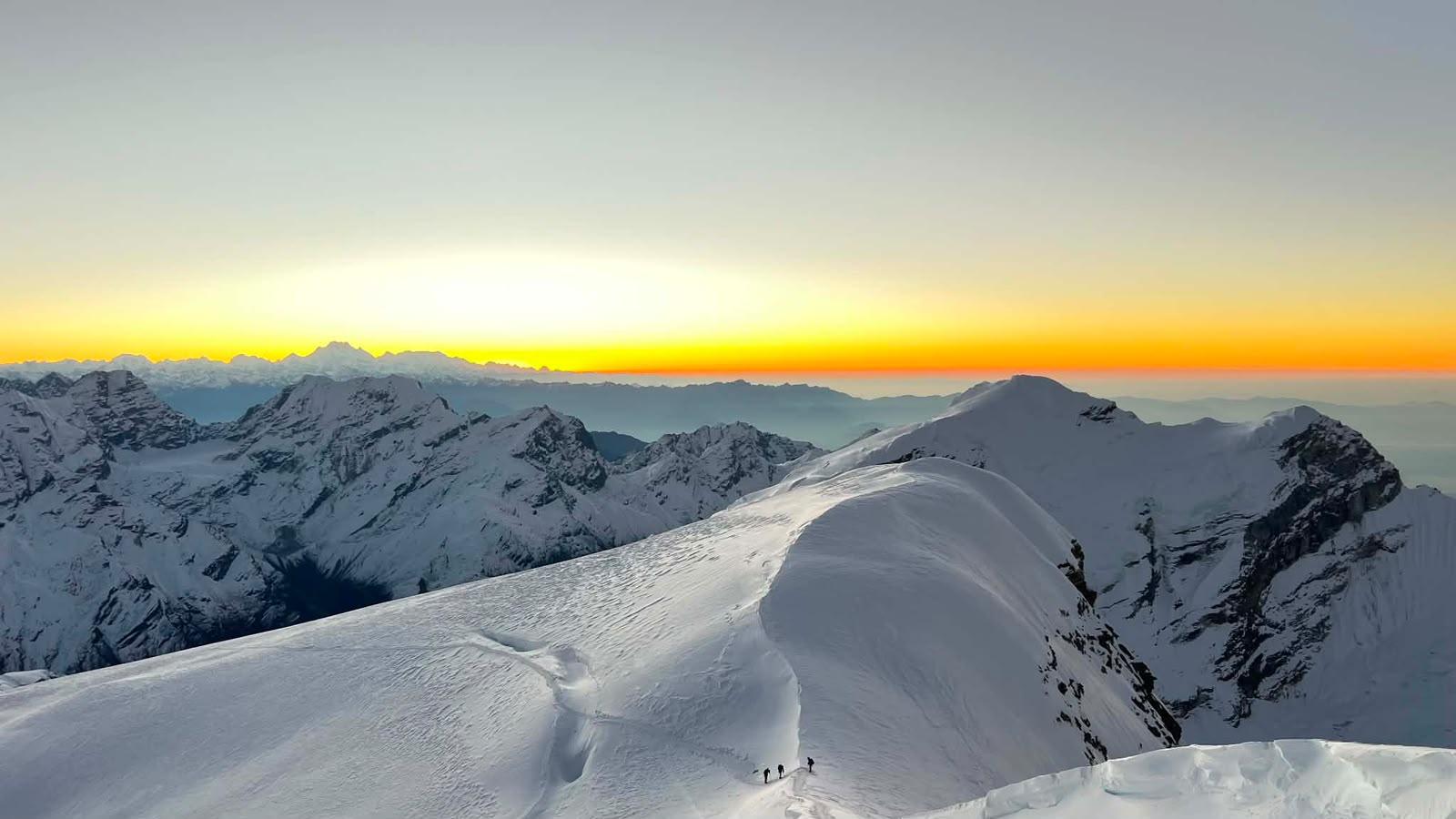
If you have some trekking experience and are now interested in your first Himalayan peak-climbing adventure, Nepal is an excellent destination. The country offers a wide range of climbing peaks with different elevations, terrain, and technical requirements.
Choosing the right peak for your first climb is important. Peak climbing involves more than simply walking to the summit. Altitude, physical fitness, acclimatization, climbing skills, weather, equipment, and experienced mountain guides all play an important role.
Which Peak Is Suitable for First-Time Climbers?
For climbers planning their first Himalayan peak, Mera Peak, Island Peak, and Lobuche East are among the popular options to consider. However, each peak has different characteristics, altitude, terrain, and technical requirements.
1. Mera Peak – A High-Altitude Peak Climbing Experience
Mera Peak (6,476 m) is one of Nepal’s popular trekking peaks and can provide an excellent introduction to high-altitude peak climbing.
The Mera Peak route combines trekking, acclimatization, and a high-altitude climbing experience. Depending on conditions and the chosen route, crampons, harnesses, ice axes, ropes, and other mountaineering equipment may be required.
Main highlights of Mera Peak:
- High-altitude climbing experience above 6,000 meters
- Beautiful Himalayan scenery in the Khumbu region
- Views of Everest, Lhotse, Makalu, Baruntse, and surrounding peaks
- Combination of trekking and peak climbing
- An introduction to high-altitude mountaineering
Although Mera Peak can be considered by climbers without previous summit experience, good physical preparation, proper acclimatization, and appropriate climbing support are essential.
2. Island Peak – An Introduction to Technical Climbing
Island Peak (6,189 m), also known as Imja Tse, is a popular climbing peak in the Everest region.
Island Peak involves more than trekking and may require basic mountaineering techniques. Depending on the route and conditions, climbers may encounter glacier travel, fixed ropes, steep sections, and other technical climbing terrain.
Main highlights of Island Peak:
- Peak climbing experience in the Everest region
- Opportunity to learn basic mountaineering techniques
- Glacier and snow climbing experience
- Spectacular views of Ama Dablam and surrounding peaks
- Can be combined with an Everest Base Camp itinerary
For first-time climbers interested in developing technical climbing skills, proper training and experienced climbing support are important.
3. Lobuche East – A Combination of Trekking and Climbing
Lobuche East (6,119 m) is another popular climbing peak in Nepal.
The route is located in the Everest Base Camp trekking region, making it an attractive option for people who want to combine Himalayan trekking with a peak-climbing experience.
Due to the altitude and mountain terrain, proper preparation is essential. Training in climbing techniques, rope systems, and equipment handling can be useful before attempting the summit.
Main highlights of Lobuche East:
- Spectacular scenery in the Everest region
- Combination of high-altitude trekking and climbing
- Opportunity to practice technical climbing skills
- Can be combined with an Everest Base Camp itinerary
What Is the Difference Between Trekking and Peak Climbing?
Trekking and peak climbing are not the same.
Trekking generally involves walking on established mountain trails. Peak climbing may involve snow, ice, glaciers, steep terrain, and the use of technical climbing equipment.
Depending on the peak, route, and conditions, equipment may include:
- Crampons
- Mountaineering boots
- Climbing harness
- Ice axe
- Climbing helmet
- Carabiners
- Climbing ropes
- Ascender and descender
For this reason, basic mountaineering training and proper preparation are important before attempting a climbing peak.
How Should You Prepare for Your First Peak Climb?
1. Build Your Physical Fitness
Regular cardio, uphill walking, hiking, stair training, and strength exercises can help prepare your body for the physical demands of peak climbing.
2. Allow Enough Time for Acclimatization
Your body needs time to adapt to high altitude. A well-designed itinerary should include appropriate acclimatization and gradual altitude gain.
3. Learn Basic Mountaineering Skills
First-time climbers can benefit from learning skills such as crampon walking, ice-axe techniques, rope handling, ascending and descending fixed ropes, and glacier travel.
4. Use Appropriate Equipment
Proper mountaineering clothing and climbing equipment should be selected according to the peak, altitude, season, route, and expected weather conditions.
5. Climb With Experienced Mountain Guides
An experienced climbing guide can provide valuable support with route management, climbing techniques, weather conditions, acclimatization, equipment use, and summit planning.
Mera Peak, Island Peak, or Lobuche East?
There is no single peak that is suitable for every first-time climber.
Your choice should depend on your fitness level, previous trekking experience, available time, technical climbing experience, altitude experience, and climbing objectives.
If you want a high-altitude trekking and climbing experience, Mera Peak may be an option to consider.
If you want to experience technical climbing in the Everest region, Island Peak may be suitable depending on your preparation and experience.
If you want to combine Everest Base Camp trekking with a peak-climbing experience, Lobuche East can be considered.
Plan Your First Peak Climbing Adventure With Peak Promotion
Peak Promotion Pvt. Ltd. is a Nepal-based trekking and mountaineering agency established in 1992, with experience in trekking, mountaineering, adventure tourism, and Himalayan expedition support.
If you are planning your first peak climb, our team can help you select a suitable peak and itinerary based on your experience, fitness, available time, and climbing objectives.
Peak Promotion provides support for peak climbing, including experienced climbing guides, permits, logistics, accommodation, transportation, climbing equipment support, and expedition coordination.
Ready for Your First Himalayan Peak?
Contact Peak Promotion and start planning your first Himalayan peak-climbing adventure.
Peak Promotion Pvt. Ltd.
Lazimpat-2, Kathmandu, Nepal
Email: info@peakpromotionnepal.com
WhatsApp: +977-9851089806
Website: www.peakpromotionnepal.com
Frequently Asked Questions (FAQ's):
Q. Can a beginner climb a peak in Nepal?
Yes. Some climbers with no previous peak-summiting experience undertake trekking peaks. However, the appropriate peak depends on fitness, altitude experience, technical skills, preparation, and the specific route.
Q. Do I need previous mountaineering experience?
Previous technical mountaineering experience is not always required for every peak. However, basic climbing training, physical preparation, acclimatization, and appropriate equipment are important.
Q. Which peaks are popular for first-time climbers?
Mera Peak, Island Peak, and Lobuche East are among the peaks commonly considered by climbers seeking their first Himalayan peak-climbing experience.
Q. Do I need a climbing guide?
Professional climbing support is strongly recommended, particularly for high-altitude and technical sections. Experienced guides can assist with route management, climbing techniques, acclimatization, mountain safety, and summit preparation.
Q. How long does peak climbing take?
The duration depends on the peak and itinerary. A complete expedition normally includes trekking, acclimatization, climbing preparation, and summit days rather than only the summit climb itself.