Ama Dablam Expedition: Complete Guide to Climbing
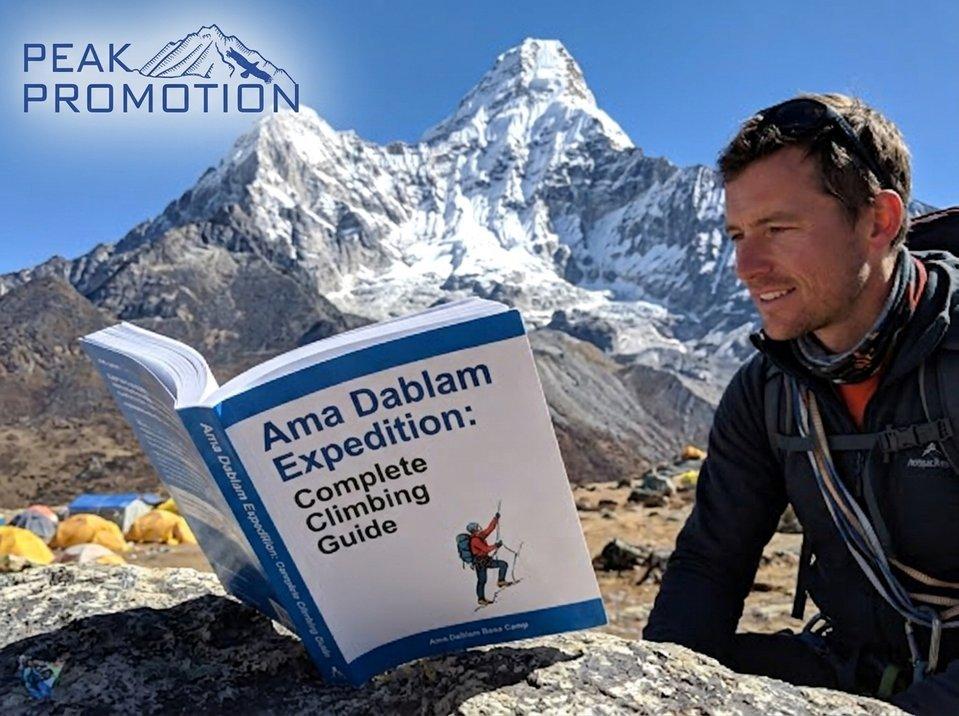
Standing at 6,812 meters (22,349 feet) in Nepal's Khumbu region, Ama Dablam is one of the most recognizable and technically demanding mountains in the Himalayas. Its distinctive pyramid shape, exposed ridges, steep rock sections, snow and ice terrain, and hanging glacier have made it a dream objective for experienced climbers.
Unlike a high-altitude trek or straightforward trekking peak, an Ama Dablam Expedition involves genuine technical mountaineering. Climbers need strong physical conditioning, experience with ropes and crampons, confidence on exposed terrain, and the ability to operate safely at more than 6,000 meters.
The standard climbing route is the Southwest Ridge, the same broad line associated with the mountain's historic first ascent. The route progresses from Base Camp through a series of exposed and technical sections toward high camps before the final summit push. Current expedition descriptions from Peak Promotion classify Ama Dablam as a Hard / Advanced climb.
This complete guide explains the Ama Dablam climbing route, difficulty, camps, best seasons, permits, preparation, equipment, acclimatization, costs, safety considerations, and what climbers should expect during the expedition.
Ama Dablam Expedition at a Glance
| Feature | Details |
| Mountain | Ama Dablam |
| Elevation | 6,812 m / 22,349 ft |
| Region | Khumbu / Everest Region, Nepal |
| Standard Route | Southwest Ridge |
| Difficulty | Hard / Advanced |
| Climbing Type | Technical rock, snow and ice climbing |
| Expedition Duration | Around 28 days with Peak Promotion's current itinerary |
| Base Camp | Approximately 4,600 m |
| High Camps | Camp I, Camp II and upper high-camp/summit sections |
| Best Seasons | Spring and autumn; autumn is particularly popular |
| Main Skills | Crampon use, fixed-rope climbing, rappelling, glacier travel, rock and ice movement |
| Region Access | Kathmandu → Lukla → Khumbu trekking route → Ama Dablam Base Camp |
| Permit Authority | Nepal Department of Tourism |
| Peak Promotion Difficulty Rating | Hard / Advanced |
Peak Promotion's current Ama Dablam expedition page lists a 28-day itinerary, 6,812 m maximum altitude, Hard / Advanced difficulty and March–May / October–November seasons.
Why Climb Ama Dablam?
Ama Dablam is not simply another Himalayan summit. It offers a combination of technical climbing, high-altitude exposure and spectacular mountain scenery that makes it particularly attractive to experienced mountaineers.
The mountain rises dramatically above the Khumbu landscape and is visible from sections of the Everest trekking route. Its steep pyramid profile and hanging glacier are among the most recognizable mountain formations in Nepal.
From the climbing route and summit, climbers can experience expansive views toward some of the world's most famous Himalayan peaks, including Mount Everest, Lhotse, Makalu and Cho Oyu.
An Ama Dablam expedition can therefore offer:
- A genuine technical Himalayan climbing experience
- High-altitude rock, snow and ice climbing
- Fixed-rope and exposed-ridge climbing
- Experience operating from high camps
- Exceptional views of the Khumbu Himalaya
- Sherpa culture and mountain communities
- Valuable preparation for more advanced Himalayan objectives
However, the mountain's beauty should not disguise its difficulty. Ama Dablam requires serious preparation.
How Difficult Is Ama Dablam?
Ama Dablam is a technically demanding mountain and should not be treated as a beginner's climb.
The challenge comes from a combination of altitude, exposure, steep terrain, changing weather and technical climbing.
Peak Promotion describes the route as involving glacier travel, technical sections, fixed ropes, exposed ridges and high camps, and recommends previous mountaineering experience.
The climbing difficulty is not determined by elevation alone.
A climber may be physically strong enough to hike at altitude but still struggle with:
- Steep rock
- Vertical or near-vertical sections
- Fixed ropes
- Ascenders and descenders
- Crampon movement on mixed terrain
- Exposure to large drops
- Technical descents
- Cold and wind
- Long summit days
- Limited recovery at high altitude
The mountain therefore rewards technical competence as much as physical endurance.
Ama Dablam Climbing Route: Southwest Ridge
The Southwest Ridge is the standard route used for the majority of modern commercial ascents. The route was first climbed in 1961 and remains the classic line on the mountain.
The character of the route changes as climbers gain altitude.
Ama Dablam Base Camp
Ama Dablam Base Camp is generally established around 4,600 meters, although exact locations can vary according to expedition logistics and mountain conditions.
Base Camp is where climbers:
- Complete equipment checks
- Rest and acclimatize
- Receive route briefings
- Practice technical systems
- Monitor weather
- Prepare food and climbing equipment
- Organize summit rotations
It serves as the main operational center for the expedition.
Base Camp to Camp I
The lower route begins across moraine and rocky terrain before joining the Southwest Ridge.
This section may involve scrambling, steep rocky sections and exposed movement. Although it is less technical than the upper mountain, climbers are already operating at significant altitude.
Camp I is generally situated around the 5,700–5,800 m range, although camp locations can change according to seasonal conditions and expedition strategy.
Camp I to Camp II
The climb from Camp I toward Camp II becomes significantly more technical.
Climbers encounter:
- Exposed rock
- Narrow ridge sections
- Fixed ropes
- Steep rock movement
- Gendarmes and rocky formations
- The famous Yellow Tower section
The Yellow Tower is one of the best-known technical features of the Southwest Ridge. Its steep rock section requires confident movement and proper use of protection and fixed ropes.
Camp II is located on a small, exposed area of the ridge, making space and movement around camp particularly important.
Camp II to Camp III / Upper Route
Above Camp II, the route transitions toward more mixed climbing.
The terrain can include:
- Steep snow
- Ice
- Mixed rock and ice
- Fixed ropes
- Exposed traverses
- Narrow ridges
- The Mushroom Ridge area
The exact use and position of Camp III can vary between seasons and expedition strategies. Some teams may establish or use an upper camp, while others may adjust their summit strategy depending on weather, route conditions, acclimatization and risk.
Summit Push
The final ascent involves high-altitude snow and ice climbing toward the summit.
At this elevation, even technically manageable terrain becomes significantly harder because:
- Oxygen availability is much lower
- Temperatures can drop rapidly
- Wind can increase
- Climbers become fatigued
- Movement with a pack becomes slower
- Decision-making becomes more demanding
The summit push must therefore be based on weather, route conditions, climber health, acclimatization and the expedition team's judgment, rather than a predetermined schedule alone.
Ama Dablam Camps
The high camps form an important part of the expedition strategy.
| Camp | Approximate Elevation | Main Character |
| Base Camp | ~4,600 m | Acclimatization, logistics and preparation |
| Camp I | ~5,700–5,800 m | Rocky ridge and exposed climbing |
| Camp II | ~5,900–6,100 m | Technical rock and Yellow Tower area |
| Camp III / Upper Camp | ~6,200–6,400 m | Mixed climbing and exposed terrain |
| Summit | 6,812 m | High-altitude snow and ice climbing |
Important: Camp elevations and exact camp use should be treated as approximate. Mountain conditions, route changes and expedition strategy can alter where teams establish or sleep at high camps.
Best Time for Ama Dablam Expedition
Ama Dablam can be approached during different climbing seasons, but spring and autumn are the principal periods used by expedition teams.
Peak Promotion currently lists March–May and October–November as its expedition seasons.
Autumn: October–November
Autumn is widely considered one of the strongest periods for Himalayan climbing because post-monsoon conditions can provide clearer mountain views and relatively stable weather.
Advantages can include:
- Clearer skies
- Better mountain visibility
- Established expedition infrastructure
- Strong climbing-season activity
- Generally favorable trekking conditions
However, weather can still change rapidly at high altitude.
Spring: March–May
Spring is another major Himalayan climbing season.
Advantages include:
- Longer daylight as the season progresses
- Active expedition infrastructure
- Generally favorable high-altitude climbing windows
- Possibility of good summit conditions
The exact timing of a summit attempt remains weather-dependent.
Winter and Monsoon
Winter brings extreme cold, shorter days and harsher high-altitude conditions.
The monsoon affects the approach to the Khumbu and can make lower-elevation travel wetter and less predictable.
Nepal Tourism Board recognizes four mountaineering seasons—spring, summer, autumn and winter—but also notes that conditions have become less predictable with changing climate patterns.
Ama Dablam Expedition Permit
Ama Dablam is a 6,812-meter expedition peak, so climbing requires the appropriate Nepal government mountaineering permit and compliance with expedition regulations.
The Department of Tourism's current royalty schedule, effective from September 1, 2025, lists the foreign-climber royalty for Ama Dablam at:
- Spring: USD 1,000 per person
- Autumn: USD 1,000 per person
- Winter/Summer: USD 500 per person
These are government royalty figures and should not be confused with the total cost of an expedition package.
Expedition teams may also have additional regulatory and operational requirements, including route compliance and liaison arrangements. Nepal's mountaineering regulations require expedition teams to follow the route specified in their permit, with government approval required when route changes are necessary.
Because government fees and regulations can change, climbers should verify the latest requirements before departure.
How Much Does an Ama Dablam Expedition Cost?
There is no single universal price for an Ama Dablam expedition.
The final cost depends on the level of support, expedition duration, staff, equipment, transportation, permits, accommodation and services included in the package.
Typical cost components include:
| Cost Component | May Include |
| Expedition permit | Government climbing royalty |
| Trekking logistics | Lukla flights, accommodation and meals |
| Base Camp | Tents, kitchen, dining and toilet facilities |
| Climbing staff | Experienced climbing Sherpas and expedition leaders |
| Porters | Equipment and supply transportation |
| High camps | Tents, fuel, food and climbing support |
| Technical equipment | Group ropes, snow protection and other equipment |
| Communication | Radio/satellite communication |
| Rescue planning | Emergency coordination and logistics |
| Insurance | Personal travel and mountaineering coverage |
| Personal gear | Boots, crampons, clothing, harness and helmet |
| Tips/bonuses | Staff tips and summit bonuses where applicable |
Peak Promotion's current expedition package includes services such as transfers, Kathmandu accommodation, Lukla flights, permits and paperwork, porters, base-camp infrastructure, climbing Sherpa support, group climbing equipment, communication, travel/rescue arrangements and other expedition logistics. Personal equipment, international airfare, personal insurance, emergency medical evacuation and several personal expenses are excluded.
For an accurate quotation, climbers should request a current expedition itinerary and inclusions rather than relying on a generic online price.
Physical Preparation for Ama Dablam
Physical preparation should begin well before arriving in Nepal.
A good training program should develop:
▸ Cardiovascular Endurance
Build endurance through:
- Uphill hiking
- Stair climbing
- Running
- Cycling
- Incline treadmill sessions
- Long-duration aerobic training
▸ Leg Strength
Strong legs are essential for long ascents and descents.
Include:
- Squats
- Lunges
- Step-ups
- Split squats
- Calf raises
- Weighted hiking
▸ Core Strength
A strong core improves stability while climbing with a backpack and moving over technical terrain.
Useful exercises include:
- Planks
- Side planks
- Dead bugs
- Mountain climbers
- Controlled rotational exercises
▸ Technical Climbing Skills
Fitness alone is not enough.
Climbers should be comfortable with:
- Crampon techniques
- Ice-axe use
- Fixed-rope climbing
- Ascender use
- Descender use
- Rappelling
- Rope clipping
- Glacier travel
- Rock scrambling
- Snow and ice movement
Technical training should ideally be completed before the expedition.
Acclimatization on Ama Dablam
Altitude is one of the biggest challenges of an Ama Dablam expedition.
The summit is above 6,800 meters, where the human body operates under severe environmental stress.
Acclimatization involves gradually exposing the body to higher elevations and allowing appropriate recovery.
A typical expedition may use rotations between Base Camp and higher camps rather than simply climbing continuously toward the summit.
A rotation strategy can help climbers:
- Gain altitude gradually.
- Practice technical climbing.
- Sleep at progressively higher elevations.
- Return lower for recovery.
- Build familiarity with the route.
- Prepare for the summit window.
No sea-level training program can completely reproduce the physiological demands of 6,800 meters.
Climbers should also understand symptoms of altitude illness and communicate health problems early. Severe headache, confusion, difficulty walking, breathlessness at rest or worsening symptoms require immediate attention and may require descent.
Essential Ama Dablam Climbing Gear
Ama Dablam requires specialized mountaineering equipment.
▸ Clothing:
- Base layers
- Insulating mid-layers
- Down jacket
- Expedition down suit or equivalent high-altitude insulation
- Waterproof shell
- Waterproof trousers
- Gloves
- Mittens
- Warm hat
- Balaclava
- Sunglasses
- Glacier glasses
- Goggles
▸ Climbing Equipment:
- Mountaineering harness
- Mountaineering helmet
- Crampons
- Mountaineering boots
- Ice axe
- Ascender
- Descender
- Carabiners
- Sling
- Prusik/backup system
- Climbing rope equipment as specified by the expedition
- Headlamp
- Trekking poles for the approach
▸ Expedition Equipment:
- Sleeping bag suitable for extreme cold
- Sleeping mat
- Duffel bags
- Backpack
- Water bottles
- Thermos
- Headlamp with spare batteries
- Personal first-aid supplies
- Sunscreen
- Lip protection
- Personal medication
- Communication accessories
Exact equipment requirements should always be confirmed with the expedition operator because rope systems, fixed-line equipment and group equipment may be supplied by the team.
Ama Dablam Expedition Itinerary
A typical expedition combines a Kathmandu preparation phase, the Khumbu approach, acclimatization, climbing rotations, summit attempt and return journey.
A representative structure is:
| Phase | Approximate Period |
| Kathmandu arrival and preparation | 2 days |
| Flight to Lukla and Khumbu trek | Several days |
| Trek to Ama Dablam Base Camp | Approximately 7–10 days depending on itinerary |
| Base Camp acclimatization and training | Several days |
| Climbing rotations | Approximately 1–2 weeks |
| Summit attempt | Weather-dependent |
| Descent to Lukla | Several days |
| Return to Kathmandu | Final 1–2 days |
Peak Promotion's current itinerary is listed as 28 days, while its older published itinerary shows a longer 30+ day structure. This illustrates why expedition duration can vary according to acclimatization strategy, weather and operational planning.
Who Should Climb Ama Dablam?
Ama Dablam is best suited to climbers who already have meaningful mountaineering experience.
A suitable climber should ideally have:
- Strong cardiovascular fitness
- Excellent endurance
- Previous high-altitude experience
- Basic or advanced rock-climbing experience
- Snow and ice climbing experience
- Fixed-rope experience
- Crampon experience
- Comfort with exposure
- Good judgment under pressure
- Strong mental resilience
Someone completely new to mountaineering should generally build experience on less technical objectives before attempting Ama Dablam.
For climbers considering their first Himalayan peak, a progression involving trekking, technical training and suitable climbing peaks can be more appropriate than immediately attempting an advanced 6,812-meter mountain.
Ama Dablam vs Everest: Which Is Harder?
Comparing Ama Dablam and Everest purely by altitude can be misleading.
Everest is significantly higher, reaching 8,848.86 meters, and presents enormous altitude and expedition challenges.
Ama Dablam, however, is known for its technical climbing and exposure.
In simplified terms:
| Factor | Ama Dablam | Everest |
| Elevation | 6,812 m | 8,848.86 m |
| Technical climbing | High | Route-dependent |
| Altitude challenge | Severe | Extreme |
| Exposure | Significant | Significant |
| Standard expedition length | Shorter | Generally longer |
| Main challenge | Technical climbing + exposure + altitude | Extreme altitude + technical sections + expedition duration |
| Suitable for beginners | Generally no | No |
The two mountains should not be treated as direct equivalents. The appropriate objective depends on a climber's previous experience, technical ability, fitness and expedition goals.
Safety on Ama Dablam
Safety should be the central priority throughout the expedition.
Important considerations include:
▸ Weather
High-altitude weather can change rapidly. Summit attempts should only proceed when the expedition leadership considers conditions acceptable.
▸ Altitude
Never ignore symptoms of altitude illness.
▸ Falling Ice and Rock
The route contains exposed terrain and areas where falling rock or ice can present hazards.
▸ Avalanches and Serac Risk
Snow, ice and hanging-glacier sections require careful route assessment.
▸ Fixed Ropes
Fixed ropes are useful but do not eliminate risk. Climbers need proper technique and should understand their equipment.
▸ Fatigue
Technical climbing while exhausted can increase the chance of mistakes.
▸ Communication
A professional expedition should maintain reliable communication between Base Camp, climbing teams and support staff.
▸ Emergency Evacuation
Travel insurance should specifically cover high-altitude mountaineering and emergency evacuation. Standard travel insurance may not provide sufficient coverage for a technical expedition.
Why Choose Professional Expedition Support?
An Ama Dablam expedition involves much more than reaching the summit.
A professional expedition operator can coordinate:
- Permits
- Flights
- Accommodation
- Trekking logistics
- Porters
- Base Camp infrastructure
- Food and kitchen services
- Climbing Sherpa support
- High-altitude equipment
- Communication
- Weather monitoring
- Route planning
- Emergency coordination
- Staff management
- Return logistics
This allows climbers to focus more directly on preparation, acclimatization, technical climbing and decision-making.
Peak Promotion's current Ama Dablam expedition emphasizes professionally guided climbing, personalized support and expedition safety, with climbing Sherpa support and organized logistics throughout the journey.
Ama Dablam and the Khumbu Experience
The expedition is also a journey through the cultural landscape of the Khumbu.
The approach passes through traditional Sherpa communities and landscapes associated with some of Nepal's most famous trekking routes.
Depending on the itinerary, climbers can experience:
- Lukla
- Phakding
- Namche Bazaar
- Tengboche
- Pangboche
- Ama Dablam Base Camp
This combination of Himalayan culture, trekking and technical mountaineering makes the expedition more than a summit attempt.
Common Mistakes to Avoid
▸ Underestimating Technical Difficulty
Ama Dablam's beautiful appearance can make it look more accessible than it is.
▸ Training Only for Hiking
Long-distance hiking fitness is valuable, but technical climbing requires specific skills.
▸ Ignoring Previous Experience
A 6,812-meter technical mountain is not an ideal first climbing experience for someone with no mountaineering background.
▸ Overpacking
Carrying unnecessary equipment adds weight and energy expenditure.
▸ Rushing Acclimatization
The summit cannot compensate for poor acclimatization.
▸ Ignoring Weather
A fixed itinerary should never take priority over safe mountain conditions.
▸ Choosing an Expedition Based Only on Price
Compare guide-to-climber ratios, Sherpa support, rescue planning, logistics, equipment, food, communication and what is actually included.
Ama Dablam Expedition Checklist
Before leaving for Nepal, confirm:
- Valid passport
- Nepal visa requirements
- Expedition permit
- Travel insurance
- High-altitude rescue coverage
- Mountaineering experience
- Technical climbing training
- Physical training completed
- Mountaineering boots
- Crampons
- Ice axe
- Harness
- Helmet
- Ascender
- Descender
- High-altitude clothing
- Expedition sleeping bag
- Sunglasses/goggles
- Personal medication
- Headlamp
- Batteries/power solutions
- Waterproof bags
- Emergency contacts
- Expedition itinerary
- Weather and route briefing
Frequently Asked Questions (FAQ's):
Q. How high is Ama Dablam?
Ama Dablam is 6,812 meters (22,349 feet) high.
Q. Is Ama Dablam difficult to climb?
Yes. Ama Dablam is considered a technically challenging and advanced Himalayan climb involving exposed rock, snow, ice, fixed ropes and high-altitude climbing.
Q. What is the standard Ama Dablam climbing route?
The Southwest Ridge is the standard route used for most modern commercial ascents.
Q. What is the best season for Ama Dablam?
Peak Promotion currently lists March–May and October–November as its expedition seasons. Autumn is particularly popular for Himalayan climbing.
Q. Do I need previous mountaineering experience?
Previous mountaineering and technical climbing experience is strongly recommended. Ama Dablam is not generally appropriate as a first-ever climbing experience.
Q. What technical skills are required?
Climbers should be comfortable with crampons, ice axes, fixed ropes, ascenders, descenders, rappelling and movement on rock, snow and ice.
Q. How long does an Ama Dablam Expedition take?
Expedition itineraries vary. Peak Promotion's current Ama Dablam program is listed at 28 days, although actual duration can change with acclimatization, weather and operational requirements.
Q. How much does an Ama Dablam Expedition cost?
The cost varies according to the operator and services included. Permits, flights, staff, Sherpa support, base-camp facilities, equipment, accommodation and rescue arrangements all influence the final price.
Q. How much is the Ama Dablam climbing permit?
The Department of Tourism's current royalty schedule lists USD 1,000 per foreign climber in spring and autumn and USD 500 in winter/summer.
Q. Can beginners climb Ama Dablam?
Ama Dablam is generally better suited to experienced climbers. Beginners should develop high-altitude and technical climbing experience before attempting it.
Q. Can you see Everest from Ama Dablam?
Yes. The Ama Dablam climbing environment provides spectacular views toward Mount Everest and other major Himalayan peaks.
Q. Is Ama Dablam harder than Everest?
The mountains present different challenges. Everest has far greater altitude, while Ama Dablam is particularly known for technical climbing and exposure. Neither should be regarded as an easy climb.
Final Thoughts
The Ama Dablam Expedition is one of Nepal's most rewarding objectives for experienced mountaineers seeking a serious technical Himalayan challenge.
At 6,812 meters, the mountain combines high altitude with exposed ridges, rock, snow, ice, fixed ropes and complex expedition logistics. The Southwest Ridge provides a demanding and varied climbing experience, while the surrounding Khumbu landscape adds an unforgettable cultural and visual dimension.
Success on Ama Dablam is not simply about reaching the summit. It depends on preparation, technical ability, acclimatization, weather judgment, teamwork, experienced leadership and disciplined decision-making.
For climbers who prepare properly and respect the mountain, Ama Dablam can become one of the defining achievements of a Himalayan climbing career.
Take on the Himalayas
From technical peak climbing to high-altitude expeditions, rely on experienced local logistics, professional climbing support and carefully planned expedition services.
Peak Promotion Pvt. Ltd.
Contact: +977 9841135705
Email: info@peakpromotionnepal.com
Location: Lazimpat, Kathmandu 44600, Nepal
Start Your Expedition with Peak Promotion Nepal.