NIREKHA PEAK CLIMBING
Duration
16 Days
Difficulty
Moderate-Hard
Max Altitude
6,069m
Group Size
2–10
Best Season
Sep–Nov, Mar–May
Region
Everest Region
Overview
Nirekha Peak Climbing is a spectacular Himalayan adventure in the Everest (Khumbu) region of Nepal, offering a perfect combination of technical mountaineering and high-altitude exploration. Standing at 6,069 meters, Nirekha Peak is a hidden gem located near the famous Cho La Pass, close to the world’s highest mountains including Everest and Cho Oyu.
Often described as a paradise for mountain lovers, Nirekha Peak attracts both experienced climbers and well-prepared beginners seeking a challenging and rewarding alpine ascent. The peak lies in a less crowded area of the Khumbu region, offering pristine natural beauty, dramatic landscapes, and a true wilderness climbing experience.
Nirekha Peak is situated east of Cho La Col and near the trekking route connecting Lobuche and Gokyo Valley. It was officially opened as a trekking peak by the Nepal Mountaineering Association (NMA) in the early 2000s. The first successful ascent was completed in 2003 by Matt Florets and Greg Valentine, followed by an all-female expedition later the same year.
The summit consists of two distinct pyramids: the North Summit and the South Summit. The North Summit is relatively more accessible but involves glacier travel and crevasse crossing, while the South Summit is steeper, featuring sustained ice slopes of up to 50 degrees. The true highest point remains a topic of discussion among climbers.
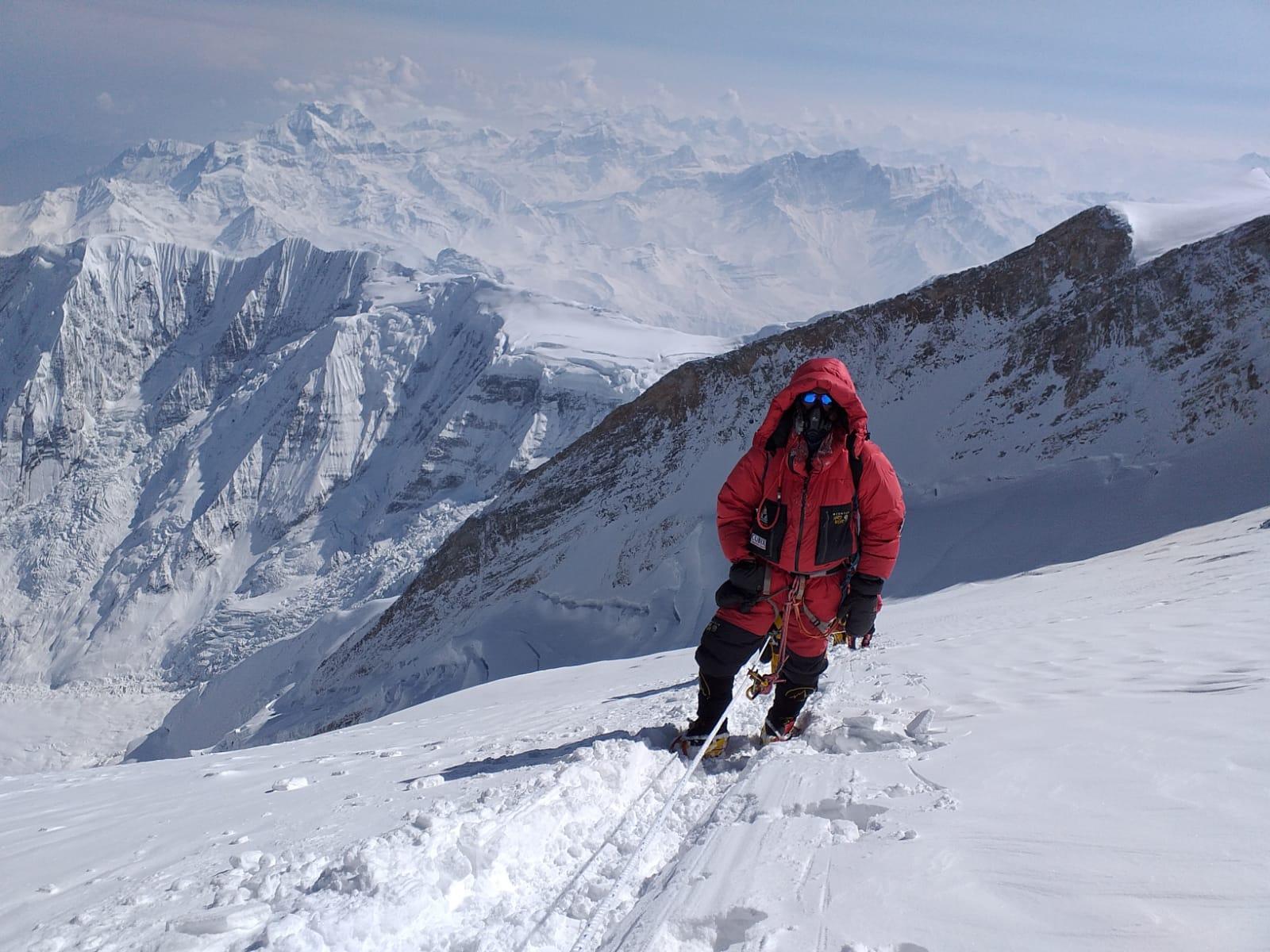
Although not extremely high in terms of altitude difference, Nirekha Peak is considered a technical trekking peak, requiring solid mountaineering skills. Climbers must be familiar with equipment such as crampons, ice axe, harness, jumars, ropes, and ice screws. The route includes steep snow and ice sections, as well as complex glacier navigation, making it suitable only for physically fit and well-acclimatized climbers.
There are two main approaches to the summit. One route begins from the Kangshung/Base Camp side (approximately 5,250m), which is generally shorter and more commonly used. Another approach starts from the Lake Base Camp (around 5,050m), taking longer but offering a more gradual ascent. From base camp, it takes approximately 2–3 hours to reach High Camp, depending on conditions.
The climbing route primarily follows the southwest face, characterized by hard blue ice, steep slopes, and multiple crevasses along the ridge. Despite its relatively modest elevation gain from base camp, the climb demands strong endurance, proper acclimatization, and technical competence.
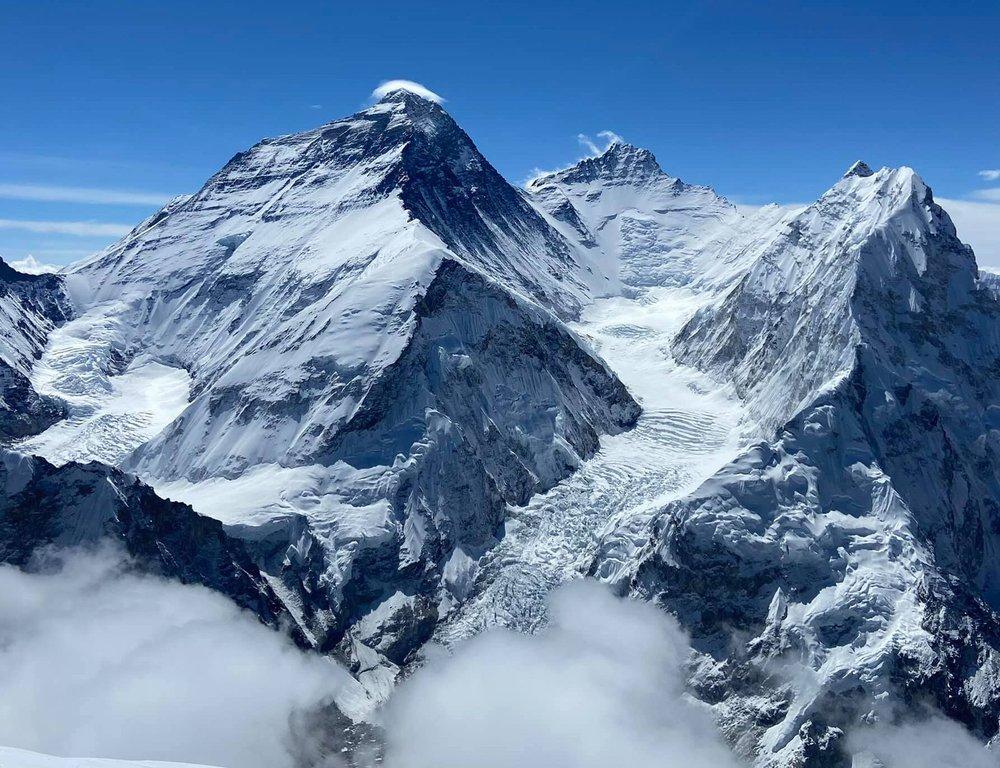
From the summit of Nirekha Peak, climbers are rewarded with one of the most breathtaking panoramas in the Himalayas. The view includes Mount Everest, Lhotse, Nuptse, Cho Oyu, Makalu, Pumori, Gyachung Kang, Ama Dablam, Cholatse, Thamserku, and many other iconic peaks, offering a truly unforgettable 360-degree Himalayan experience.
Nirekha Peak is an excellent choice for climbers seeking a challenging yet rewarding expedition in the Everest region, combining technical climbing, remote landscapes, and world-class mountain views.
Trip Highlights
Trip Information
Send Your Enquiry
Interested in NIREKHA PEAK CLIMBING? Fill out the form and we'll get back to you within 24 hours.