LOBUCHE EAST PEAK CLIMBING
Duration
19 Days
Difficulty
Moderate-Hard
Max Altitude
6,119m
Best Season
Sep–Nov, Mar–May
Overview
Lobuche East Peak (6,119 m) is one of Nepal’s most popular trekking peaks, offering an excellent introduction to Himalayan mountaineering. Its accessibility, spectacular scenery, and moderately challenging climbing route make it a favored choice for both aspiring mountaineers and experienced trekkers seeking a rewarding alpine adventure in the Everest region.
Lobuche comprises two distinct summits: Lobuche East (6,119 m) and Lobuche West (6,145 m). Although connected by a ridge, the two peaks are separated by a steep and technically demanding section, making it uncommon to climb both summits during a single expedition. The first successful ascent of Lobuche East was made in 1984 by Lawrence Nielson and Ang Gyalzen Sherpa.
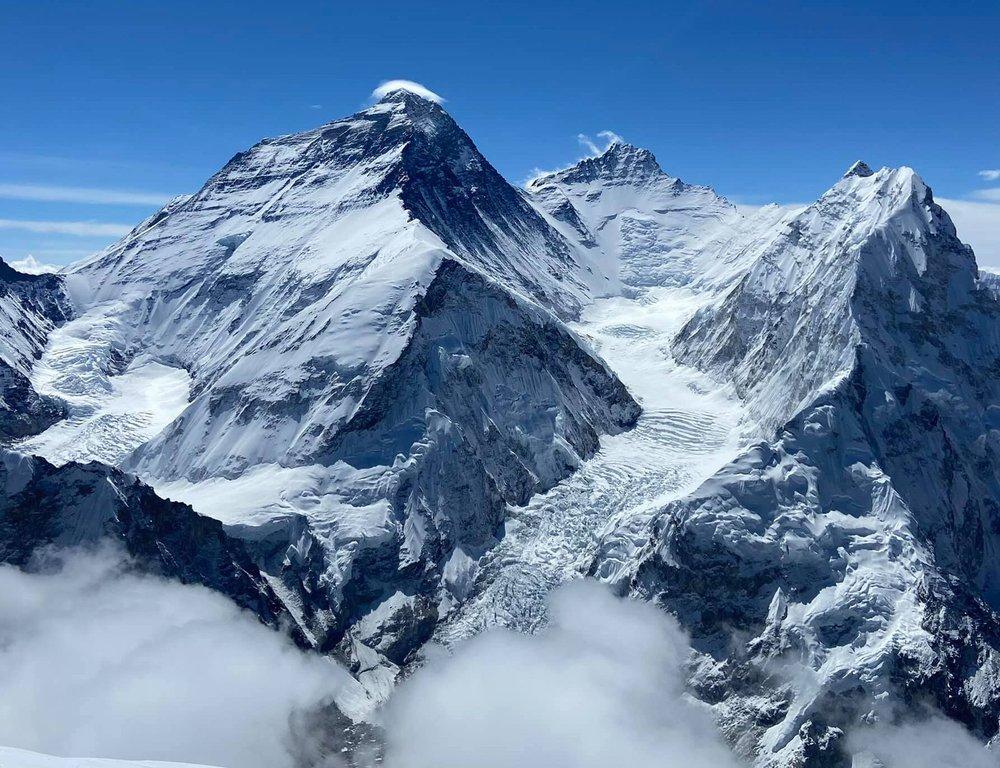
Among the two summits, Lobuche East is by far the more popular climbing destination. Located close to the famous Everest Base Camp trekking route and in the heart of the Khumbu region, the peak offers climbers valuable high-altitude mountaineering experience while providing breathtaking views of Everest, Lhotse, Nuptse, Ama Dablam, Makalu, Cho Oyu, and numerous surrounding Himalayan giants.
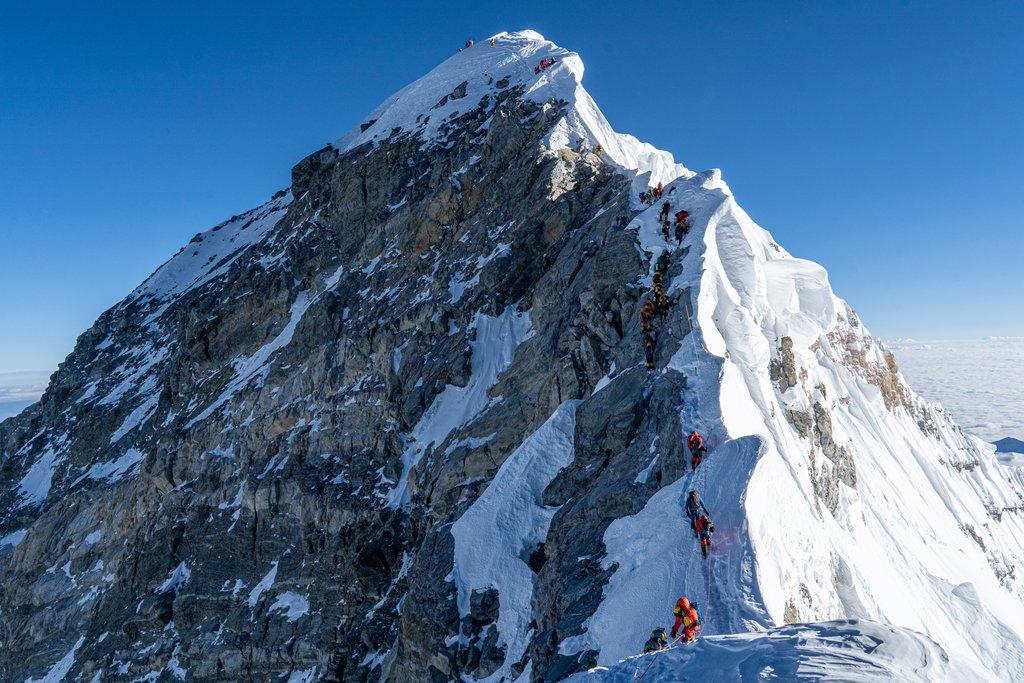
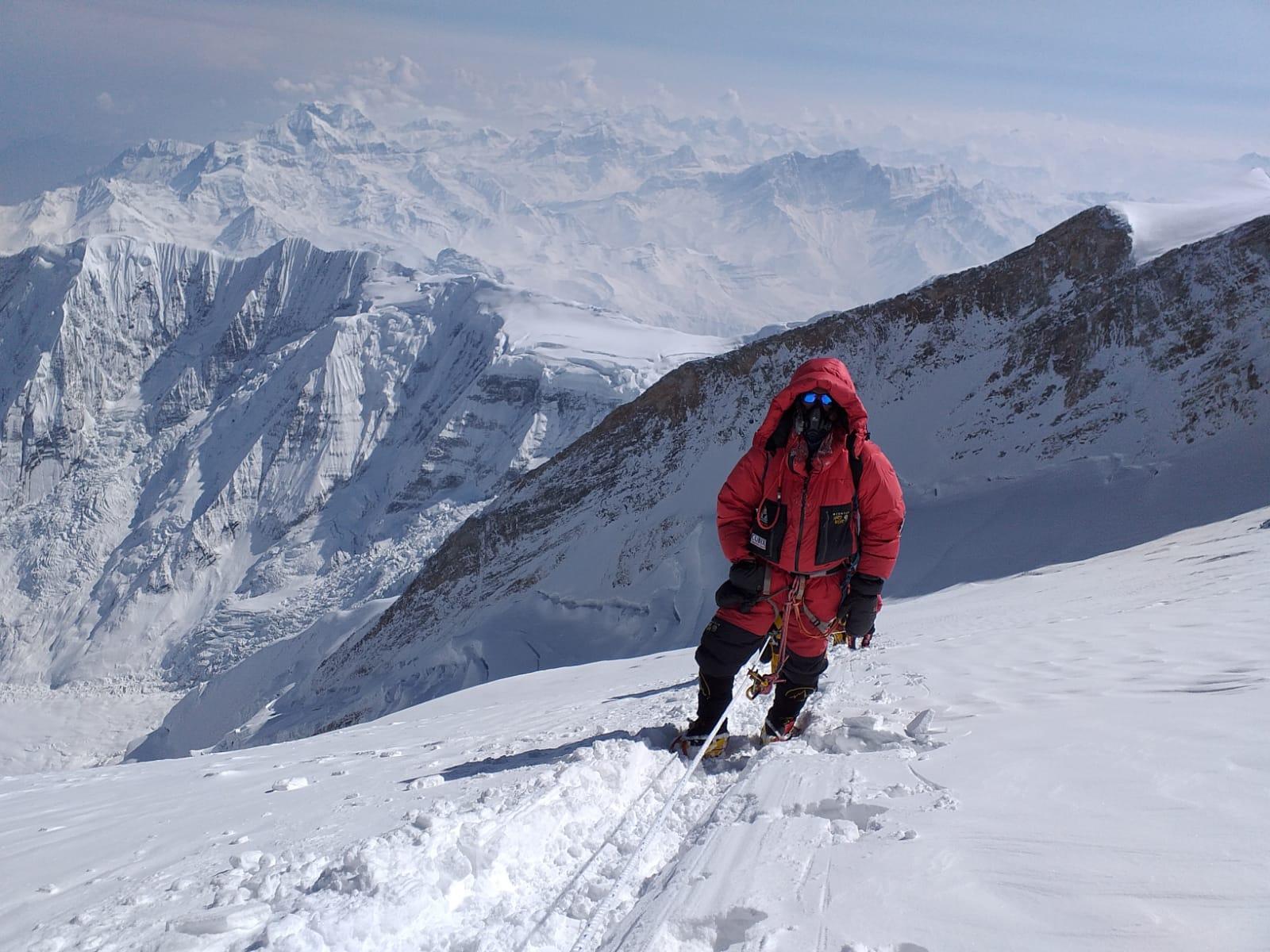
Lobuche East combines rock scrambling, glacier travel, and snow and ice climbing. Although classified as a trekking peak by the Nepal Mountaineering Association (NMA), the ascent requires good physical fitness, proper acclimatization, and basic mountaineering skills. Fixed ropes are generally installed on the steeper sections to enhance safety during the summit push.
The standard route follows the South Ridge. The journey begins with the classic Everest Base Camp trail through Lukla, Namche Bazaar, Tengboche, Dingboche, and Lobuche. Lobuche Base Camp is typically established at approximately 4,950 meters, situated on a rocky terrace beneath the glaciated southwest face of the mountain. From Base Camp, climbers enjoy spectacular views of Ama Dablam, Cholatse, Thamserku, Kangtega, and Tawache.
Above Base Camp, the route ascends rocky moraines and snow slopes before reaching High Camp. Climbers then traverse glaciated terrain and follow the ridge toward the summit. The final section involves steep snow and ice slopes, usually protected with fixed ropes, leading to the true summit. Upon reaching the top, climbers are rewarded with magnificent panoramic views of the Everest region and some of the highest peaks on Earth.
The best seasons for Lobuche East Peak climbing are spring (April–May) and autumn (September–November). These months generally offer stable weather, clear skies, and favorable climbing conditions, maximizing the chances of a safe and successful ascent.
Lobuche East Peak is an ideal objective for trekkers and climbers looking to develop their mountaineering skills while experiencing the beauty, challenge, and grandeur of the Himalayas.
Trip Highlights
Trip Information
Send Your Enquiry
Interested in LOBUCHE EAST PEAK CLIMBING? Fill out the form and we'll get back to you within 24 hours.