Why Is the Poon Hill Trek So Popular?
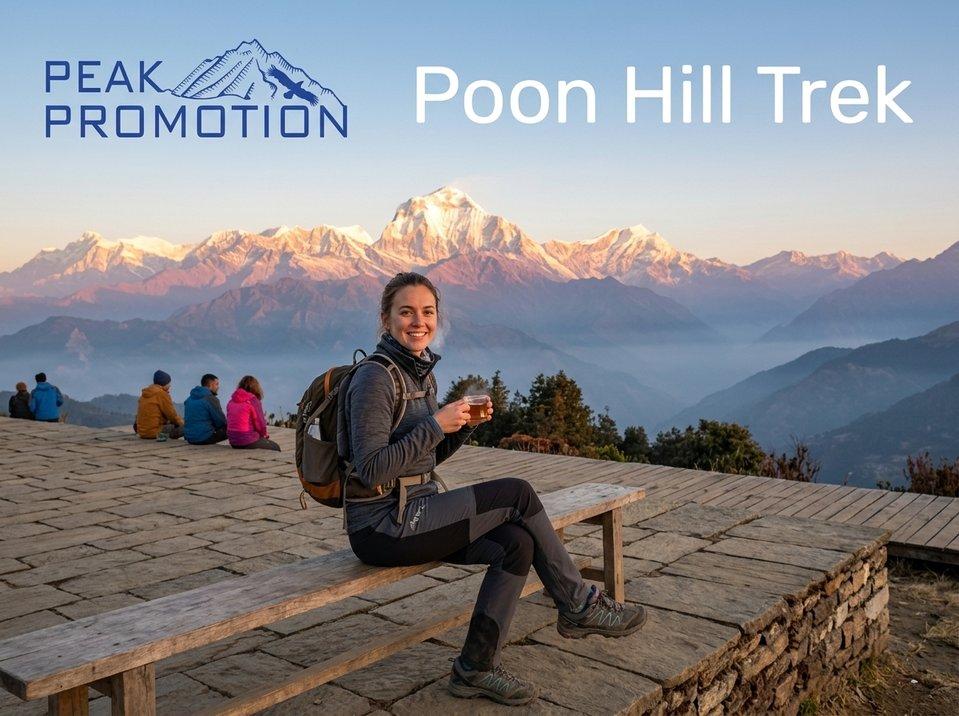
Imagine standing above the clouds as the first sunlight touches the snow-covered peaks of the Annapurna and Dhaulagiri ranges. The mountains gradually turn golden, the surrounding valleys brighten, and the Himalayan landscape reveals itself in front of you. This is the experience that makes the Poon Hill trek one of Nepal’s most popular short trekking adventures.
Located in the Annapurna region of north-central Nepal, the Ghorepani Poon Hill trek combines spectacular mountain views, traditional villages, rhododendron forests and welcoming teahouses. Its relatively short duration makes it attractive to travelers who want to experience the Himalayas without committing to a two-week expedition.
The highest point is Poon Hill at approximately 3,210 meters (10,531 feet). Although the trek does not require technical climbing, it involves steep stone staircases, sustained uphill walking and considerable descent, making reasonable fitness and preparation important.
Whether you are planning your first Himalayan trek, traveling with friends or looking for a rewarding photography trip, this guide covers everything you need to know about the Poon Hill trek, including the route, itinerary, best season, permits, costs, accommodation and preparation.
Poon Hill Trek at a Glance
| Trekking Detail | Information |
| Location | Annapurna region, Nepal |
| Main destination | Poon Hill viewpoint |
| Maximum altitude | Approximately 3,210 m |
| Typical duration | 4–5 trekking days; longer packages may include additional travel days |
| Starting point | Usually reached from Pokhara via Nayapul or another road-accessible trailhead |
| Ending point | Usually the Ghandruk or Nayapul area, depending on the route |
| Difficulty | Easy to moderate, depending on fitness and itinerary |
| Best seasons | Spring and autumn |
| Accommodation | Teahouses and mountain lodges |
| Main highlights | Himalayan sunrise, rhododendron forests, mountain villages and panoramic views |
| Technical climbing required | No |
| Suitable for beginners | Yes, with appropriate preparation and pacing |
Peak Promotion Nepal lists its Ghorepani Poon Hill Trek as a seven-day trip, reaching 3,210 meters and rated easy to moderate. Shorter itineraries are also possible depending on transport arrangements, walking pace and the chosen route.
Where Is Poon Hill Located?
Poon Hill is a famous mountain viewpoint above Ghorepani village in Nepal’s Annapurna region. It lies within the wider Annapurna Conservation Area, a landscape of mountain forests, terraced fields, traditional settlements and high Himalayan peaks.
The trek commonly begins with a drive from Pokhara, a popular lakeside city and a major gateway to the Annapurna trekking region.
From the trailhead, trekkers walk through settlements and forested hills before reaching Ghorepani. A pre-dawn hike the following morning leads to the Poon Hill viewpoint, where clear weather can reveal an impressive panorama of the Annapurna and Dhaulagiri ranges.
What Mountains Can You See from Poon Hill?
On a clear morning, the viewpoint offers views of several well-known Himalayan peaks, including:
- Dhaulagiri I
- Annapurna I
- Annapurna South
- Machhapuchhre, also known as Fishtail
- Hiunchuli
- Nilgiri and surrounding Himalayan peaks
Visibility depends on weather, cloud cover and atmospheric conditions. The sunrise is a major highlight, but the mountains are not guaranteed to be visible every day.
Highlights of the Poon Hill Trek
✔ The Famous Himalayan Sunrise
The main attraction is the early-morning hike to Poon Hill. Trekkers typically leave Ghorepani before sunrise, walking uphill in the dark with a headlamp.
As daylight reaches the mountain ranges, the snow-covered peaks gradually become illuminated. The changing light creates excellent photography opportunities and a memorable start to the day.
✔ Rhododendron Forests
The route passes through forests of rhododendron, oak and other Himalayan vegetation. During spring, rhododendrons can bloom in shades of red, pink and white, adding color to the trail.
The timing and intensity of flowering vary with elevation and annual weather conditions.
✔ Traditional Gurung and Magar Villages
The trek passes through villages associated with Gurung and Magar communities. These settlements offer opportunities to observe local architecture, farming practices, everyday mountain life and regional hospitality.
Travelers should respect local customs, ask permission before photographing people and follow responsible tourism practices.
✔ Comfortable Teahouse Accommodation
Unlike remote camping-based expeditions, the Poon Hill route has established teahouses and lodges along its main sections.
Accommodation standards vary, but trekkers can generally expect a bed, shared or private facilities depending on the lodge, and meals served in a communal dining area.
✔ A Short Trek with a Rewarding Mountain Experience
The route provides a taste of Himalayan trekking without requiring a long expedition or technical mountaineering skills. This makes it an attractive option for visitors with limited time in Nepal.
However, short does not mean effortless. Several sections include steep staircases and long descents that can be demanding on the legs and knees.
Best Time to Do the Poon Hill Trek
The best time for the Poon Hill trek is generally spring or autumn, when conditions are often favorable for walking and mountain views.
➜ Spring: March to May
Spring is a popular season because the forests can be colorful with blooming rhododendrons, and temperatures are often suitable for trekking.
- March: Cooler conditions, with flowering beginning at some elevations.
- April: Often a particularly attractive period for rhododendron forests.
- May: Warmer conditions at lower elevations, although haze and pre-monsoon weather may affect visibility.
Spring is especially appealing to nature lovers and photographers.
➜ Autumn: September to November
Autumn is another preferred season, particularly after the monsoon rains begin to clear.
- September: Conditions may improve as the monsoon retreats, but rainfall can continue.
- October: Often offers a good balance of comfortable trekking conditions and mountain visibility.
- November: Cooler mornings and evenings, with potential for clear mountain views.
October and November can be busy, so booking accommodation and arranging trekking services in advance is sensible.
➜ Winter: December to February
Winter trekking is possible, but temperatures drop, particularly at night and around Ghorepani. Snowfall, icy trails and cold morning conditions can affect the experience.
Bring suitable insulation, gloves, a warm hat and footwear with good traction. Check current trail and weather conditions before departure.
➜ Monsoon: June to August
The monsoon brings rain to much of the Annapurna region. Forest trails may become muddy and slippery, leeches can be common, and mountain views may be obscured by clouds.
Although trekking can still be possible, travelers should expect greater uncertainty and monitor local weather and trail conditions. For many visitors, spring and autumn remain the more reliable choices.
Poon Hill Trek Itinerary: A Typical 5-Day Route
The exact itinerary varies between trekking packages. The following example is a five-day walking plan that includes Ghorepani, the sunrise viewpoint, Tadapani and Ghandruk.
| Day | Route | Main Experience |
| Day 1 | Pokhara to trailhead, then trek toward Tikhedhunga or Ulleri | Begin the ascent through villages and terraced landscapes |
| Day 2 | Tikhedhunga or Ulleri to Ghorepani | Climb stone steps and walk through forest |
| Day 3 | Early hike to Poon Hill, then continue toward Tadapani | Sunrise over the Himalayas and forest trekking |
| Day 4 | Tadapani to Ghandruk | Explore mountain scenery and a traditional village |
| Day 5 | Trek toward the road-accessible trailhead and return to Pokhara | Complete the trek and travel back |
Actual walking times depend on the trailhead, route, weather, fitness and breaks. Some itineraries combine or rearrange stages, while others include additional overnight stops.
Day 1: Pokhara to the Trailhead and Trek to Ulleri or Tikhedhunga
The journey usually begins in Pokhara, where trekkers arrange transport to the starting point. Nayapul has traditionally been used as a trailhead, although road access and itinerary arrangements may change the exact starting location.
The initial walk passes through villages, farmland and forested surroundings. Depending on the route and transport arrangements, you may continue to Tikhedhunga or climb farther to Ulleri.
This first day introduces the main physical challenge of the trek: sustained uphill walking, including steep stone staircases.
Tip: Start at a comfortable pace. Avoid using all your energy early in the trek, particularly if you are not accustomed to walking uphill for several hours.
Day 2: Trek to Ghorepani
The trail climbs through forest and mountain settlements toward Ghorepani, one of the main overnight stops on the route.
As you gain elevation, the landscape changes, and sections of the trail pass through rhododendron and other woodland. Weather permitting, you may catch glimpses of surrounding mountains.
Ghorepani is the usual base for the early-morning hike to Poon Hill. Arrive with enough time to rest, eat and prepare your clothing and headlamp for the next morning.
Day 3: Sunrise at Poon Hill and Trek to Tadapani
This is the highlight of the journey.
Trekkers generally leave Ghorepani before dawn and walk uphill to the Poon Hill viewpoint. The climb takes around 45–60 minutes for many people, although timing varies with pace, weather, trail conditions and crowding.
At the top, wait for daylight to reveal the surrounding mountain panorama. Dress warmly because temperatures can be low before sunrise, even during the main trekking seasons.
After returning to Ghorepani for breakfast, continue toward Tadapani if your itinerary includes the full loop. This section offers more forest walking and changing views of the surrounding mountains.
Day 4: Trek from Tadapani to Ghandruk
The trail descends toward Ghandruk, a well-known village in the Annapurna region.
Ghandruk is recognized for its traditional settlement, mountain views and Gurung cultural heritage. Depending on your schedule, you may have time to explore the village, observe local architecture and enjoy views of the surrounding landscape.
Walking downhill can place significant stress on the knees, so use trekking poles if helpful and take breaks when necessary.
Day 5: Return to Pokhara
After breakfast, continue toward the road-accessible trailhead selected for your itinerary. Transport then takes you back to Pokhara.
Depending on the route, road conditions and departure time, you may arrive with time to relax by the lakeside or continue with your travel plans.
Planning note: Allow additional time if you need to connect with an international flight or another fixed commitment. Road conditions and transport schedules can change.
How Difficult Is the Poon Hill Trek?
The Poon Hill trek is generally considered easy to moderate, but the experience depends on your fitness, walking experience and chosen itinerary.
You do not need technical climbing skills. However, the route includes repeated ascents and descents, steep stone steps and several hours of walking on some days.
Physical Challenges to Expect:
- Long uphill sections, especially around Ulleri.
- Uneven stone steps and forest trails.
- Repeated downhill walking that can affect the knees.
- Early starts for the sunrise viewpoint.
- Changing temperatures and weather conditions.
Beginners should prepare with regular walking, stair climbing and moderate cardiovascular exercise before the trip.
Although the maximum altitude is lower than that of many Himalayan base-camp treks, altitude-related symptoms are still possible. Pay attention to how you feel, avoid rushing and seek medical advice if symptoms develop.
Poon Hill Trek Cost: What Should You Budget?
The total cost depends on whether you organize the trek independently through an authorized provider or book a package that includes transport, guides, accommodation and meals.
Rather than relying on a single fixed price, consider the following cost categories when planning your budget.
| Expense | What Affects the Cost? |
| Transport | Vehicle type, starting point and road conditions |
| Guide services | Duration, group size and service arrangements |
| Porter services | Whether you hire a porter and the amount of luggage carried |
| Accommodation | Lodge availability, room type and season |
| Meals and drinks | Menu choices, location and personal consumption |
| Permits | Current conservation-area fees and applicable trekking documentation |
| Equipment | Gear you own, rent or need to purchase |
| Insurance | Coverage for trekking, medical treatment and evacuation |
| Contingency budget | Weather delays, extra nights and unexpected transport costs |
Peak-season departures may require earlier booking, while extra services and private arrangements can increase the overall cost.
When comparing trekking packages, check exactly what is included. A low advertised price may exclude meals, transport, permits, guide services or other necessary expenses.
For an accurate quote, share your preferred dates, group size, accommodation expectations and transport requirements with your trekking provider.
Permits and Regulations for the Poon Hill Trek
The Poon Hill route lies within the Annapurna Conservation Area, so trekkers should confirm the applicable entry permit and documentation requirements before departure.
✦ Annapurna Conservation Area Permit
The Annapurna Conservation Area Permit (ACAP) is associated with entry into the conservation area. Confirm the current fee, application process and required documents with the relevant authority or your trekking agency.
✦ TIMS and Guide Requirements
The Nepal Tourism Board's current TIMS information lists the Poon Hill–Annapurna Base Camp Trek among routes covered by its guide and agency-issued TIMS requirements. Because route descriptions and administrative rules can vary, confirm how the rule applies to your exact itinerary before setting off.
Do not rely solely on older travel blogs for permit or guide requirements. Regulations, fees and procedures can change.
For official guidance, consult:
If you book through a trekking agency, ask who will arrange your permits and what documents you must carry.
Accommodation and Food on the Poon Hill Trek
The main route is served by teahouses and mountain lodges, making it suitable for trekkers who prefer not to camp.
What Is Accommodation Like?
Most lodges offer basic rooms with beds and bedding, although room quality, heating, bathrooms and hot-water availability vary.
During busy periods, accommodation can fill up, so advance planning is useful. Bring a sleeping bag or liner if recommended by your trekking provider, especially if you prefer additional warmth and hygiene.
What Food Can You Expect?
Common meals include dal bhat, noodles, rice dishes, soups, eggs, potatoes and other simple meals suited to trekking.
Dal bhat is a popular choice because it provides carbohydrates and other nutrients needed for long walking days. Drink safe water, maintain regular meals and carry snacks for sections between villages.
Menu availability and prices vary between lodges, so keep some flexibility in your budget.
What Should You Pack for the Poon Hill Trek?
A well-planned packing list helps you stay comfortable without carrying unnecessary weight.
✦ Clothing
- Moisture-wicking base layers.
- Fleece or another insulating mid-layer.
- Waterproof and wind-resistant jacket.
- Trekking trousers.
- Warm hat and gloves.
- Comfortable trekking socks.
- Lightweight clothing for warmer afternoons.
✦ Footwear
Wear well-fitted trekking shoes or boots with good grip. Break them in before the trek to reduce the risk of blisters.
✦ Essential Equipment
- Daypack or suitable trekking backpack.
- Trekking poles if useful for balance and descents.
- Headlamp with spare batteries for the sunrise hike.
- Reusable water bottles and water-treatment supplies.
- Sunglasses, sunscreen and sun protection.
- Personal first-aid kit and prescribed medication.
- Toiletries and quick-drying towel.
- Power bank and charging cables.
- Identification, permits and insurance details.
✦ Documents and Insurance
Keep copies of your identification, relevant permits, insurance policy and emergency contact details accessible during the trek.
Travel insurance should be checked carefully for trekking-related medical expenses and emergency evacuation coverage. Do not assume that every travel insurance policy covers all trekking activities or altitudes.
How to Prepare for the Poon Hill Trek?
You do not need to be an elite athlete, but basic preparation will make the trek more enjoyable.
✔ Build Your Walking Endurance
Start walking regularly several weeks before departure. Gradually increase your distance and include uphill routes or stair climbing where possible.
✔ Strengthen Your Legs
Exercises such as step-ups, squats and controlled lunges can help build the strength needed for repeated climbs and descents. Choose exercises appropriate to your fitness and health.
✔ Practice With Your Daypack
Take training walks while carrying the pack you expect to use on the trek. This helps you become familiar with its weight and fit.
✔ Prepare for Weather Changes
Mountain weather can change quickly. Check forecasts, pack layers and bring waterproof protection even when the forecast looks favorable.
✔ Walk at a Sustainable Pace
Take regular breaks, eat adequately and stay hydrated. Rushing can increase fatigue and make uneven terrain more difficult to manage.
Is the Poon Hill Trek Suitable for Beginners and Families?
The Poon Hill trek can be a good introduction to Himalayan trekking for beginners and some families because it is relatively short, has established teahouse accommodation and does not involve technical climbing.
However, suitability depends on each person's fitness, age, health, walking experience and comfort with long staircases.
Families should plan realistic daily distances, allow extra time for breaks and consider whether younger children can comfortably manage the route. Older travelers and anyone with a relevant medical concern should seek appropriate medical advice before departure.
The sunrise hike also begins before dawn, so participants should be comfortable walking in the dark with a headlamp and following the guide's instructions.
Responsible Trekking in the Annapurna Region
The Poon Hill route passes through local communities and a protected natural area. Responsible behavior helps preserve the environment and supports the people who live and work along the trail.
Follow these practices:
- Carry reusable water bottles and minimize single-use plastics.
- Dispose of waste properly and take litter back when facilities are unavailable.
- Respect local customs and ask permission before photographing residents.
- Use designated trails and avoid disturbing wildlife.
- Conserve water and electricity at mountain lodges.
- Treat guides, porters and lodge staff fairly and respectfully.
- Follow local conservation rules and guidance from your trekking team.
Responsible trekking helps maintain the trail and cultural landscape for future visitors.
Poon Hill Trek vs. Other Short Treks in Nepal
If you are comparing short Himalayan routes, the following overview may help.
| Trek | Main Attraction | General Character |
| Poon Hill | Sunrise panorama over Annapurna and Dhaulagiri | Short, popular and suitable for many beginners |
| Mardi Himal | Close views of Machhapuchhre and the Annapurna range | More demanding in places, with a higher maximum altitude |
| Khopra Ridge | Broad mountain panoramas and a quieter route | Longer or more physically demanding depending on itinerary |
| Langtang Valley | Mountain scenery, forests and Tamang culture | Longer trek with greater altitude exposure |
| Everest Base Camp | Everest-region landscapes and the base-camp destination | Longer, higher-altitude trek requiring more acclimatization |
Poon Hill is a strong choice if you want a relatively short trip with a famous sunrise viewpoint. If you have more time or want a more challenging experience, consider other routes based on your fitness and interests.
Explore Peak Promotion Nepal's trekking routes to compare available itineraries.
Plan Your Poon Hill Trek with Peak Promotion Nepal
The Poon Hill trek combines Himalayan scenery, forest trails, traditional villages and a memorable sunrise into a rewarding short adventure. With a suitable itinerary, realistic preparation and reliable local support, it can be an excellent introduction to trekking in Nepal.
Peak Promotion Nepal has supported Himalayan trekking and expedition activities since 1992. Discuss your preferred travel dates, fitness level, group size and itinerary requirements when planning your trip.
Explore the official Ghorepani Poon Hill Trek page for route information and trip-planning details.
Frequently Asked Questions (FAQ's):
Q. How many days are needed for the Poon Hill trek?
Many itineraries take around four to five trekking days, while packages that include additional travel days may take longer. Peak Promotion Nepal lists a seven-day Ghorepani Poon Hill Trek package. The duration depends on the route, transport arrangements and walking pace.
Q. What is the maximum altitude of the Poon Hill trek?
The Poon Hill viewpoint is approximately 3,210 meters above sea level. This is the highest point on the classic route, although the altitude profile depends on the exact itinerary.
Q. Is the Poon Hill trek difficult?
The trek is generally considered easy to moderate, but it includes steep stone staircases, uphill walking and long descents. Reasonable fitness and preparation are recommended, particularly for travelers who are not accustomed to walking for several hours a day.
Q. What is the best month for the Poon Hill trek?
October and November are popular months for clear mountain views, while March and April are attractive for spring weather and rhododendron flowering. Conditions vary, so check the forecast before departure.
Q. How much does the Poon Hill trek cost?
The cost depends on the group size, duration, guide and porter services, accommodation, meals, transport and permits. Request an itemized quote from your trekking provider to compare packages accurately.
Q. Do I need a guide for the Poon Hill trek?
The Nepal Tourism Board's current TIMS guidance includes the Poon Hill–Annapurna Base Camp Trek among routes subject to guide and agency-issued TIMS requirements. Confirm the current rule for your exact route before departure and arrange the appropriate support.
Q. What permits are required for the Poon Hill trek?
The Annapurna Conservation Area Permit is relevant to the route. Other trekking documentation and guide requirements should be confirmed with the Nepal Tourism Board or your trekking agency before travel.
Q. Can beginners do the Poon Hill trek?
Yes, many beginners complete the trek with appropriate preparation and a realistic itinerary. Regular walking practice, suitable footwear and a comfortable pace help. Beginners should not underestimate the steep stairs and repeated descents.
Q. Is the Poon Hill trek safe for families?
It can suit some families, but suitability depends on the ages, health and fitness of the participants. Plan manageable walking days, take regular breaks and seek professional advice if anyone has medical concerns.
Q. Is the Poon Hill trek possible during the monsoon?
Trekking may be possible, but rain can make trails slippery and obscure mountain views. Leeches, landslides and transport disruptions can also affect the journey. Check local conditions carefully and consider spring or autumn if you prefer more reliable trekking weather.
Q. What should I pack for the Poon Hill trek?
Bring suitable trekking footwear, layered clothing, a waterproof jacket, a daypack, a headlamp, sun protection, water-treatment supplies, personal medication and your travel documents. Add warm layers for cold mornings and evenings.
Q. Will I definitely see the Himalayan sunrise from Poon Hill?
No. The sunrise viewpoint is famous for its mountain panorama, but clouds, fog and weather conditions can obstruct the view. Staying overnight in Ghorepani gives you the opportunity to make the early-morning hike, but visibility cannot be guaranteed.
Ready to Trek Nepal?
Explore Nepal's Himalayas with experienced local support, carefully planned routes and reliable trekking logistics.
Peak Promotion Pvt. Ltd.
Contact: +977 9841135705
Email: info@peakpromotionnepal.com
Location: Lazimpat, Kathmandu 44600, Nepal
Plan Your Trek with Peak Promotion Nepal.