Monsoon Trekking in Nepal: Where Can You Trek?
Nepal is famous for its Himalayan trekking routes, dramatic mountain landscapes and traditional mountain villages. Most trekkers plan their journeys for spring or autumn, when weather conditions are generally more favorable. However, what if your holiday falls in June, July or August?
Monsoon trekking in Nepal is possible, but choosing the right destination makes a significant difference.
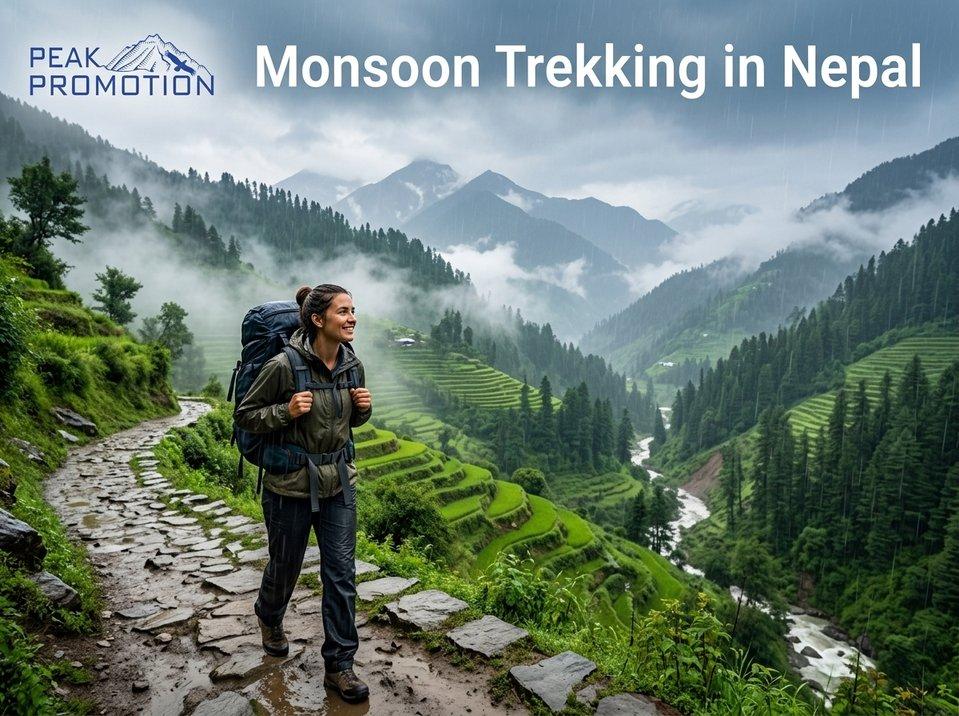
The monsoon season generally runs from June through September, bringing rain, lush vegetation, waterfalls and greener landscapes to much of the country. At the same time, heavy rainfall can cause muddy trails, landslides, swollen rivers, leeches and transport disruptions. Mountain views may also be hidden behind clouds.
Fortunately, some Himalayan regions lie in the rain shadow, where the mountains block much of the moisture carried by the monsoon. Upper Mustang and Dolpo are among the best-known options for monsoon trekking in Nepal, while parts of the upper Manang region may also offer suitable opportunities with careful route planning.
In this guide, we explore where you can trek during Nepal's rainy season, which routes are worth considering, what challenges to expect and how to prepare for a safer Himalayan adventure.
When Is the Monsoon Season in Nepal?
Nepal's monsoon season typically extends from June to September, although its arrival and retreat vary from year to year and across different regions.
According to the Nepal Tourism Board's climate information, approximately 80% of Nepal's annual rainfall occurs during the monsoon period. The amount of rain a trekking route receives depends heavily on its location, elevation and exposure to prevailing weather systems.
Nepal Monsoon Season at a Glance
| Month | Typical Conditions | Trekking Considerations |
| June | Monsoon conditions begin developing; rainfall increases | Some early-season departures may be possible, but weather is becoming less predictable |
| July | Often one of the wettest months in many regions | Heavy rain, leeches, landslides and transport disruptions can affect exposed routes |
| August | Monsoon conditions generally continue | Rain-shadow destinations remain attractive, while wet-region routes need careful assessment |
| September | Rainfall gradually decreases in many areas | Conditions may improve, especially later in the month, but the transition is not guaranteed |
These are broad seasonal patterns, not a forecast for a particular departure date. Always check current weather forecasts, trail conditions and local advisories before traveling.
Best Places for Monsoon Trekking in Nepal
The best destination depends on your experience, budget, available time and willingness to travel in changing weather. For many travelers, the most practical starting point is to focus on rain-shadow regions rather than routes that receive heavy monsoon rainfall.
1. Upper Mustang Trek
Best for: Ancient settlements, Tibetan-influenced culture, dramatic desert landscapes and summer trekking.
Upper Mustang is one of Nepal's best-known monsoon trekking destinations. Located behind the Annapurna and Dhaulagiri mountain ranges, it receives considerably less monsoon rainfall than many southern Himalayan slopes.
Instead of dense, rain-soaked forests, trekkers encounter arid valleys, eroded cliffs, colorful rock formations, traditional villages, monasteries and the historic walled settlement of Lo Manthang.
The landscape feels very different from the lush foothills commonly associated with the Nepal monsoon.
Why choose Upper Mustang in monsoon?
- Its rain-shadow location generally makes it drier than many popular trekking regions.
- The landscape offers a distinctive combination of high-desert scenery and Himalayan culture.
- Trekkers can explore traditional settlements, monasteries and historic cultural sites.
- It is a strong option for travelers who prefer a quieter, culturally rich summer adventure.
What should you know?
Upper Mustang is a restricted trekking area. Foreign trekkers must arrange the appropriate special permit and comply with current guide and entry requirements through an authorized trekking agency. The route can also be windy, dusty and cold, particularly at higher elevations.
Access commonly involves traveling toward Jomsom and continuing into Mustang, but flight schedules and road conditions can change with the weather.
Recommended duration: Approximately 10–14 days, depending on the itinerary, travel arrangements and acclimatization plan.
Explore the official Nepal Tourism Board information on Upper Mustang before planning your trip.
2. Lower Dolpo Trek
Best for: Remote landscapes, traditional Himalayan communities and experienced adventure travelers.
Dolpo is another region worth considering for monsoon trekking. Situated in western Nepal, parts of the region lie in the rain shadow of the Himalayas and receive less rainfall than many southern-facing trekking areas.
Lower Dolpo offers a remote mountain experience characterized by barren hills, high passes, traditional settlements, monasteries and expansive Himalayan scenery.
Why choose Lower Dolpo in monsoon?
- Parts of Dolpo receive relatively little monsoon rainfall.
- The region offers a sense of remoteness and cultural discovery.
- Trekkers can experience landscapes that differ substantially from the greener central Himalayan foothills.
- It can appeal to travelers seeking a more demanding and less conventional trekking experience.
What should you know?
Dolpo should not be treated as an easy alternative simply because it is relatively dry. The region includes remote trails, high-altitude terrain, limited facilities and challenging logistics.
Some itineraries require special permits, additional planning and camping support. Access may depend on flights, road connections and local conditions. The rain-shadow effect also does not eliminate the risk of rain, snow or dangerous weather at altitude.
Recommended duration: Often around 12–18 days or longer, depending on the selected route and travel arrangements.
Check current restricted-area requirements with Nepal's Department of Tourism and arrange the appropriate permits before departure.
3. Upper Manang and Selected Sections of the Annapurna Circuit
Best for: Trekkers who want Himalayan villages, high mountain scenery and a more flexible route.
Manang lies in the rain shadow of the Annapurna range, and the upper part of the Annapurna Circuit can be comparatively dry during the monsoon. However, this does not mean that the entire circuit is equally suitable.
The lower Marsyangdi Valley and the approach toward Chame can experience substantial rainfall, muddy trails, landslides and road disruptions. Conditions become different as the route climbs toward the upper valley and Manang.
Why consider Upper Manang?
- Parts of the upper valley are relatively sheltered from monsoon rainfall.
- The route offers traditional mountain villages and spectacular views when the weather is clear.
- It can provide an alternative to trekking entirely through wetter lower-elevation forests.
- It allows itineraries to be adjusted around weather and trail conditions.
What should you know?
The journey to reach the drier section may itself pass through rain-affected areas. Landslides can block roads, and the high-altitude environment introduces cold temperatures, altitude illness and possible snow.
Do not assume that Thorong La Pass or the full Annapurna Circuit will be safe or accessible during the monsoon. A pass crossing requires a separate assessment of current weather, snow, visibility and trail conditions.
Recommended duration: Approximately 5–10 days for a selected upper-valley itinerary, or longer if incorporating more of the circuit.
Explore the Annapurna region through the Nepal Tourism Board and confirm the specific route with your trekking provider.
4. Upper Mustang and Lower Mustang: Choose the Route Carefully
Lower Mustang and the Jomsom area can be part of a monsoon travel plan, but conditions vary along the valley and access routes. It is important not to assume that every trail in Mustang is equally dry or unaffected by rain.
Upper Mustang is generally the more established rain-shadow choice for travelers specifically seeking a monsoon trek. Lower Mustang may suit shorter trips or itineraries that combine trekking with cultural visits, depending on current road, weather and trail conditions.
Travelers should consider the following:
- Check whether roads and transport connections are operating.
- Expect dust and wind in exposed areas, as well as occasional adverse weather.
- Confirm whether the chosen itinerary requires restricted-area permits.
- Allow extra time for flight or road disruptions.
Recommended duration: Around 3–7 days for selected shorter Mustang itineraries, depending on the route. Longer trips are appropriate for Upper Mustang.
5. Selected Routes in the Far-Western Rain-Shadow Regions
For travelers seeking a less-visited destination, some northern areas of far-western Nepal lie in the rain shadow and can offer opportunities during the monsoon.
These regions may provide dramatic landscapes, remote villages and distinctive local cultures. However, they are not necessarily the easiest or most convenient choices for visitors with limited time.
Travel logistics, accommodation, communications, permit arrangements and access to emergency assistance can be more complicated than on established trekking routes.
Choose a route only after confirming that the itinerary is currently practical and that your trekking provider has appropriate local knowledge and support.
Recommended duration: Highly route-dependent; allow sufficient time for transport and contingency days.
Best Monsoon Trekking Routes in Nepal: Comparison Table
The following comparison can help you shortlist destinations. Duration estimates are indicative and vary according to route design and travel arrangements.
| Trekking Destination | Typical Duration | Monsoon Suitability | Best For |
| Upper Mustang | 10–14 days | Very good relative to many Nepal routes | Culture, desert scenery and traditional villages |
| Lower Dolpo | 12–18+ days | Good in suitable rain-shadow itineraries | Remote adventure and experienced trekkers |
| Upper Manang | 5–10 days | Conditional; depends on access and route | High mountain villages and flexible itineraries |
| Selected Lower Mustang routes | 3–7 days | Variable | Shorter trips and cultural exploration |
| Selected far-western rain-shadow routes | Route-dependent | Potentially suitable with detailed planning | Remote landscapes and less-visited destinations |
These are planning comparisons, not guarantees of safe access. A relatively dry destination may still experience severe weather, landslides on its access roads, snow at altitude or disrupted transport.
Which Popular Treks Are Less Suitable During Monsoon?
Many famous Nepal trekking routes remain accessible in some circumstances, but their conditions can become considerably more challenging during the rainy season.
✦ Everest Base Camp Trek
The Everest region is not a classic rain-shadow destination for the majority of its usual approach. Clouds, rain, wet trails and delays on flights to or from Lukla can complicate an itinerary.
Some experienced trekkers still travel during the monsoon, but those with fixed schedules should consider the possibility of disruptions and limited mountain views.
✦ Ghorepani Poon Hill Trek
Poon Hill is a popular short trek, but the route passes through forested hills that can receive substantial rainfall. Mud, slippery stone steps, leeches and cloud-covered views can affect the experience.
It may be possible to trek with suitable preparation and favorable local conditions, but it is not generally as reliable a monsoon option as Upper Mustang.
✦ Mardi Himal Trek
Mardi Himal passes through forested and steep terrain where monsoon rain can make trails slippery and visibility unpredictable.
Travelers should check current conditions and consider whether they are comfortable hiking in wet weather. Do not choose the route solely because it is shorter than other Himalayan treks.
✦ Langtang Valley Trek
Langtang Valley offers beautiful forests, mountain settlements and dramatic scenery. However, rainfall can affect trails, roads and slopes in the wider region.
A monsoon departure requires current information about access, trail safety and weather. Conditions may differ substantially between the lower approach and higher sections of the valley.
For route inspiration outside the monsoon season, see Peak Promotion Nepal's Langtang Valley Trek information, Ghorepani Poon Hill Trek and Mardi Himal Trek.
What Are the Advantages of Monsoon Trekking in Nepal?
Although the rainy season brings real challenges, it also has benefits for travelers who select their destination carefully.
1. Lush Landscapes and Waterfalls
In rain-exposed regions, monsoon transforms the landscape. Forests become greener, rivers flow strongly and waterfalls appear along the hillsides.
For travelers who enjoy nature and photography, the season can provide a different perspective on Nepal's mountain environment.
2. A Different Cultural Experience
Destinations such as Upper Mustang and Dolpo offer opportunities to learn about local traditions, monasteries, village life and Himalayan architecture.
In some locations, fewer visitors may create a quieter experience, although visitor numbers vary by destination and date.
3. Potentially Quieter Trails
Some popular trekking routes receive fewer visitors during the monsoon. This can mean a more peaceful experience at certain stops.
However, fewer trekkers can also mean reduced services or less convenient transport schedules in some places. Confirm accommodation and support arrangements before leaving.
4. Opportunities for Flexible Itineraries
Travelers with flexible schedules may be able to adjust their route around changing weather conditions. In the right destination, monsoon can provide a rewarding alternative to the traditional spring and autumn trekking seasons.
The key is to build flexibility into your plan rather than expecting every day to follow a fixed schedule.
Challenges of Trekking in Nepal During the Monsoon
Understanding the disadvantages is essential before deciding where to trek.
▸ Heavy Rain and Slippery Trails
Rain can make stone steps, muddy paths, exposed slopes and stream crossings difficult. Waterproof clothing helps, but it does not make every trail safe.
Avoid attempting hazardous crossings or walking across unstable slopes simply to stay on schedule.
▸ Landslides and Road Closures
Heavy rain can destabilize slopes, damage roads and interrupt access to trailheads. A route that appears accessible on a map may be difficult to reach after rainfall.
Follow current local advisories and do not travel through a landslide-affected area until authorities or qualified local personnel confirm it is safe.
▸ Leeches and Insects
Leeches are common on some wet, vegetated trails. Long socks, suitable clothing and regular checks can help reduce contact.
Carry appropriate supplies for removing a leech safely, and avoid using fire or harsh chemicals on your skin.
▸ Limited Mountain Views
Clouds can hide peaks for much of the day. If panoramic views are your main reason for trekking, the monsoon may not meet your expectations.
Rain-shadow regions generally offer a better chance of avoiding persistent rainfall, but clear mountain views are never guaranteed.
▸ Flight and Transport Delays
Flights to mountain airports may be delayed or cancelled, while road travel can be interrupted by landslides and flooding.
Include buffer days before important onward flights and avoid arranging an itinerary that depends on every transport connection operating exactly as scheduled.
Essential Tips for Safe Monsoon Trekking in Nepal
▸ Choose a Rain-Shadow Destination
If your travel dates fall in July or August, prioritize suitable rain-shadow routes such as Upper Mustang or carefully planned itineraries in Dolpo.
Do not assume that every section of a rain-shadow trek is dry. Access roads, valleys and high passes can still be affected by adverse weather.
▸ Hire Appropriate Local Support
A reputable trekking agency and qualified guide can help assess route conditions, arrange permits, adapt the itinerary and communicate with local contacts.
For restricted regions, make sure the operator understands the current permit and guide requirements.
▸ Check Forecasts and Official Advisories
Review weather forecasts before departure and each morning on the trek. Monitor warnings from the Nepal Tourism Board's travel updates and the Department of Hydrology and Meteorology.
Postpone travel through unsafe areas. If you encounter rapidly rising water, landslide activity or other immediate hazards, move to a safe location when possible and follow local emergency instructions.
▸ Pack Proper Waterproof Gear
Your equipment should be suited to the route, elevation and season.
Essential items include:
- Waterproof jacket with a hood.
- Waterproof trousers or suitable rain protection.
- Trekking boots with good grip.
- Quick-drying clothing and warm layers.
- Dry bags for clothing, electronics and documents.
- Backpack rain cover.
- Trekking poles for balance on suitable terrain.
- Headlamp and spare batteries.
- First-aid kit and personal medication.
- Water treatment supplies.
- Offline maps and reliable communication equipment.
Do not rely on a backpack cover alone to keep essential belongings dry. Use dry bags or waterproof liners inside your pack.
▸ Start Early When Conditions Allow
On some routes, mornings offer a better chance of walking before afternoon rain develops. This is a useful planning consideration, not a guarantee of safe conditions.
Your guide should assess the day's forecast, river crossings and trail hazards before deciding when to leave.
▸ Allow Extra Days
Monsoon itineraries should include contingency time for weather, transport delays and route changes.
If you have an international flight or a fixed appointment after your trek, avoid leaving the mountain region at the last possible moment.
▸ Be Willing to Change Your Plan
Turning back or changing the route can be the correct decision when conditions deteriorate.
Never cross a flooded river, continue below an unstable slope or attempt a dangerous pass crossing just to complete an itinerary.
What Should You Pack for Monsoon Trekking?
A practical packing list helps keep your belongings dry and reduces discomfort.
| Category | Essential Items |
| Clothing | Quick-drying shirts, insulating layer, waterproof jacket and rain trousers |
| Footwear | Well-fitted trekking boots, spare socks and camp footwear |
| Backpack protection | Pack cover, dry bags and waterproof document pouch |
| Safety | First-aid kit, headlamp, whistle and personal medication |
| Navigation | Offline maps, phone, power bank and suitable backup communication |
| Hydration | Water bottles and appropriate water-treatment equipment |
| Personal care | Sunscreen, insect repellent, toiletries and leech-removal supplies |
| Documents | Identification, permits, insurance information and emergency contacts |
Your final packing list should reflect the exact route. A multi-day remote trek in Dolpo requires different preparation from a shorter village walk.
Do You Need Permits for Monsoon Trekking in Nepal?
Yes, trekking permits and other entry requirements depend on the region and route. The monsoon season does not automatically remove these requirements.
For example, Upper Mustang and certain Dolpo itineraries involve restricted-area permits. Other routes may require national park or conservation area permits and applicable trekking documentation.
Before departure:
- Confirm the permits required for your specific itinerary.
- Check current fees and application procedures.
- Use an authorized trekking agency where required.
- Carry the necessary documents during the trek.
- Verify current guide and TIMS requirements using the Nepal Tourism Board's TIMS information.
Permit rules and fees can change. Confirm them with the relevant authority or your trekking agency rather than relying on an old blog post.
Is Monsoon Trekking in Nepal Right for You?
Monsoon trekking may suit travelers who have flexible schedules, realistic expectations and a destination that is appropriate for the season.
It can be particularly rewarding if you want to explore rain-shadow landscapes, experience Himalayan culture or travel outside the busiest trekking months.
However, it may not be the best choice if you have limited time, require guaranteed mountain views or are uncomfortable with possible flight delays and route changes.
Before choosing, ask yourself:
- Can I add buffer days if transport is disrupted?
- Have I selected a route suited to monsoon conditions?
- Do I have the right equipment and insurance?
- Have I checked current trail access and weather advisories?
- Am I prepared to change or cancel the itinerary if conditions become unsafe?
If you can answer these questions confidently, a carefully planned monsoon trek may be a worthwhile way to discover a different side of Nepal.
Plan Your Monsoon Trek with Peak Promotion Nepal
Choosing the right route is one of the most important decisions when planning a Himalayan adventure during the rainy season. Rain-shadow destinations, realistic itineraries, reliable local support and current information can make a significant difference to your experience.
Peak Promotion Nepal has supported Himalayan trekking and expedition activities since 1992. Discuss your travel dates, trekking experience, preferred landscapes and available time with your trekking provider before deciding on a route.
Explore the trekking routes offered by Peak Promotion Nepal and identify an itinerary that fits your plans and the conditions expected during your visit.
Frequently Asked Questions (FAQ's):
Q. Can you trek in Nepal during the monsoon season?
Yes. Trekking is possible during the monsoon, but the destination matters. Upper Mustang and selected routes in Dolpo are well-known options because parts of these regions lie in the Himalayan rain shadow. Conditions must still be checked before departure.
Q. Which is the best trek in Nepal during the monsoon?
Upper Mustang is one of the strongest options for many travelers because of its relatively dry climate, cultural attractions and distinctive landscapes. Dolpo is another option for travelers with suitable experience, time and logistical support.
Q. Is Upper Mustang good for trekking in July and August?
Upper Mustang is generally more suitable than many rain-exposed trekking regions during July and August because it lies in the rain shadow. However, wind, cold, transport disruptions and occasional adverse weather remain possible. Special permits and applicable guide requirements must be arranged.
Q. Can beginners go monsoon trekking in Nepal?
Some beginners may be able to complete a carefully selected route with appropriate support, but monsoon trekking requires flexibility and preparation. A suitable itinerary, reliable guide, proper equipment and realistic expectations are essential. Remote or high-altitude routes should not be chosen solely because they are relatively dry.
Q. Is the Everest Base Camp Trek suitable during the monsoon?
It can be attempted, but the Everest region is not generally the first choice for travelers specifically seeking a dry monsoon trek. Rain, cloud cover and flight disruptions may affect the journey. Trekkers should assess the current conditions and allow extra time for transport.
Q. Is the Annapurna Circuit safe during monsoon?
Safety depends on the specific section, current weather, trail conditions and the status of high passes. The lower approaches may experience heavy rain, landslides and muddy trails, while upper Manang can be comparatively dry. Do not assume Thorong La Pass or the full circuit is safe without a current assessment.
Q. What are the biggest risks of monsoon trekking in Nepal?
Common concerns include heavy rainfall, landslides, swollen rivers, slippery trails, leeches, poor visibility and transport disruptions. At higher elevations, cold, snow and altitude illness can also be serious concerns.
Q. What should I wear for monsoon trekking in Nepal?
Wear quick-drying clothing, suitable trekking boots, warm layers and reliable waterproof outerwear. Protect electronics, clothing and documents with dry bags. Your exact gear should match the route, elevation and forecast.
Q. Do I need a guide for monsoon trekking in Nepal?
A qualified local guide is strongly recommended, particularly for remote or restricted areas and during unpredictable weather. Certain routes have specific guide and permit requirements. Verify the current rules before booking.
Q. What is the best month for monsoon trekking in Nepal?
There is no single best month for every route. June through September is the general monsoon period, and rain-shadow destinations may offer good opportunities throughout parts of this season. Weather, access and local conditions should determine the final departure decision.
Ready to Trek Nepal?
Explore Nepal's Himalayas with experienced local support, carefully planned routes and reliable trekking logistics.
Peak Promotion Pvt. Ltd.
Contact: +977 9841135705
Email: info@peakpromotionnepal.com
Location: Lazimpat, Kathmandu 44600, Nepal
Plan Your Trek with Peak Promotion Nepal.