When Is the Best Time for Everest Base Camp Trek?
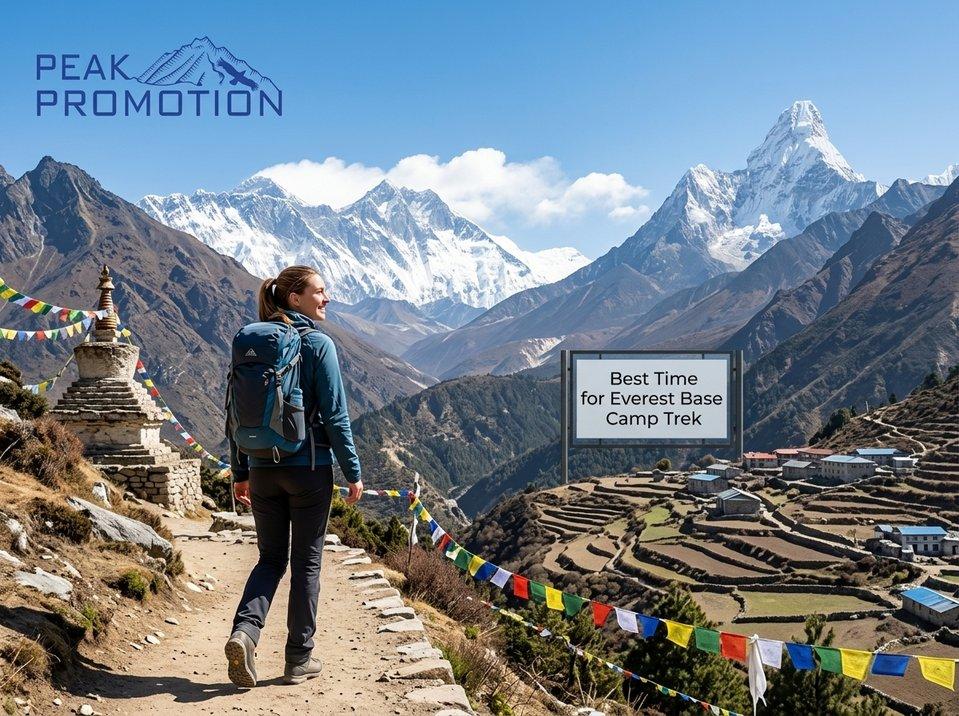
Reaching Everest Base Camp is a dream for many adventure travelers. The journey through Nepal's Khumbu region offers spectacular Himalayan scenery, traditional Sherpa settlements, Buddhist monasteries, suspension bridges and views of some of the world's most famous mountains. However, choosing the right departure dates can significantly influence your trekking experience.
The best time for Everest Base Camp trek is generally during spring, from March to May, and autumn, from September to November. These seasons usually provide a favorable balance of weather, trail conditions, mountain visibility and access to teahouses.
However, the ideal month depends on what matters most to you. October is popular for its post-monsoon mountain views, while April offers milder conditions and the atmosphere of the spring climbing season. November can bring crisp skies but colder nights, and March offers a quieter start to spring with lingering winter conditions at higher elevations.
Winter and monsoon trekking are also possible under suitable circumstances, but they require greater flexibility and preparation.
In this guide, Peak Promotion Nepal explains the best seasons and months for the Everest Base Camp Trek, comparing weather, temperatures, crowds, costs, safety and practical planning considerations.
What Is the Best Season for Everest Base Camp Trek?
For most trekkers, spring and autumn provide the most favorable overall conditions for the Everest Base Camp route.
▸ Spring: March to May
Spring is a popular season for the Everest Base Camp Trek. Temperatures generally become milder as the season progresses, days grow longer, and the Khumbu region becomes increasingly active with trekking groups and mountaineering expeditions.
Spring may be ideal if you want:
- Relatively milder daytime conditions than in winter.
- Longer daylight hours for walking.
- Opportunities to see seasonal flowers at lower elevations.
- An active atmosphere around Everest Base Camp during the climbing season.
- A balance between mountain adventure and cultural experiences.
April is often a particularly attractive month, although weather remains unpredictable at high altitude.
▸ Autumn: September to November
Autumn is another excellent season, especially for trekkers prioritizing clear mountain views. After the summer monsoon withdraws, the atmosphere often becomes clearer, and trekking conditions generally improve.
Autumn may be ideal if you want:
- Excellent opportunities for Himalayan photography.
- Generally favorable walking conditions.
- Clear views on suitable weather days.
- A lively trekking atmosphere along the Khumbu route.
- A classic Everest trekking experience.
October is particularly popular, so flights, accommodation and other arrangements should be planned ahead.
Spring vs. Autumn: Which Is Better?
| Factor | Spring (March–May) | Autumn (September–November) |
| Mountain views | Often good, with increasing haze possible later | Often especially clear after the monsoon |
| Daytime temperatures | Generally become milder as spring progresses | Pleasant in suitable weather, with colder conditions later |
| Night temperatures | Cold at high elevations | Cold, especially in November |
| Trail conditions | Generally favorable, but snow may remain at higher elevations | Often favorable after the monsoon |
| Crowds | Busy, especially in April and May | Busy, especially in October |
| Scenery | Seasonal flowers at lower elevations; active climbing season | Post-monsoon landscapes and crisp mountain views |
| Best for | Warmer conditions and spring atmosphere | Clear views and classic trekking conditions |
Overall recommendation: Choose October for a strong balance of visibility and trekking conditions, or April for spring scenery and a lively Everest expedition atmosphere. Neither month guarantees good weather every day.
Everest Base Camp Trek: Month-by-Month Guide
Understanding how conditions change throughout the year can help you choose dates that match your priorities.
▸ January: Cold and Quiet
January is one of the coldest months for trekking in the Everest region. High-altitude settlements experience freezing conditions, and snowfall can affect trails and access to viewpoints.
Advantages:
- Fewer trekkers on many sections of the route.
- Quiet landscapes and potential clear-weather views.
- A peaceful experience for well-prepared winter trekkers.
Challenges:
- Very cold nights and mornings.
- Possible snow and ice on trails.
- Some lodges or services may have limited availability.
- Weather can disrupt transport and change the itinerary.
January is best suited to experienced, well-equipped trekkers with flexible schedules and appropriate local support. It is not usually the easiest choice for a first high-altitude trek.
▸ February: Late Winter Conditions
February remains cold, particularly at higher elevations, although conditions may begin to improve toward the end of the month.
Advantages:
- Potentially quieter trails than during peak spring.
- Clear views on suitable days.
- Gradually increasing daylight as the season progresses.
Challenges:
- Freezing nights.
- Possible snow-covered sections and icy trails.
- Unpredictable conditions around high viewpoints.
If you choose February, confirm accommodation, trail conditions and equipment requirements in advance.
▸ March: The Start of Spring
March marks the transition toward the spring trekking season. Lower sections of the route begin to feel milder, while higher areas may still experience winter-like conditions.
Advantages:
- Increasing daylight.
- Gradually improving walking conditions.
- Fewer crowds than during peak October in some periods.
- Early seasonal changes in the landscape.
Challenges:
- Cold nights at higher elevations.
- Possible snow or ice on exposed sections.
- Weather that can shift quickly.
March is a reasonable option for trekkers who want to avoid the busiest weeks but are prepared for cold conditions.
▸ April: One of the Best Months
April is one of the most popular months for the Everest Base Camp Trek. Daytime conditions are often favorable for walking, and the region becomes increasingly active as mountaineering expeditions prepare for summit attempts.
Advantages:
- Generally comfortable daytime trekking conditions.
- Longer daylight hours.
- Opportunities to see spring flowers at lower elevations.
- An active expedition atmosphere in the Everest region.
Challenges:
- Busy trails and teahouses.
- Accommodation and transport demand can be high.
- Afternoon cloud or haze may reduce visibility.
- High-altitude nights remain cold.
April is an excellent option for trekkers who want spring conditions and the distinctive atmosphere of Everest's climbing season.
▸ May: Late Spring and Pre-Monsoon Weather
May is toward the end of the main spring trekking window. Lower elevations can become warmer, but weather may become less predictable as the monsoon approaches.
Advantages:
- Longer daylight hours.
- Active mountaineering season.
- Potentially milder conditions at lower elevations.
Challenges:
- Increasing haze or cloud in some periods.
- Possible pre-monsoon showers and thunderstorms.
- Warmer lower sections but cold high-altitude conditions.
- Changing visibility throughout the day.
Early May may still be favorable, but travelers should monitor forecasts and maintain flexibility.
▸ June: Monsoon Transition
June marks the transition toward the summer monsoon in Nepal. Rainfall generally increases as the season progresses, although the timing and intensity vary by year.
Challenges include:
- More cloud and reduced mountain visibility.
- Wet trails at lower elevations.
- Potential transport disruptions.
- Greater uncertainty around flight operations.
June is generally less attractive for trekkers whose main priority is reliable mountain views.
▸ July: Peak Monsoon Conditions
July falls within the monsoon season. Rain, cloud and wet trails can make the journey more difficult, particularly at lower elevations and along access routes.
Possible challenges:
- Frequent rain and slippery paths.
- Reduced visibility.
- Leeches in wetter, forested sections at lower elevations.
- Increased risk of landslides on some roads.
- Potential flight delays or cancellations.
The Everest region's weather varies with elevation and local conditions, but July is generally not the preferred month for a first Everest Base Camp trek.
▸ August: Late Monsoon
August remains part of the monsoon period, although conditions may begin changing toward the end of the month.
Rain and cloud can still affect views and transport, and trail conditions may remain wet. Travelers who must trek during August should build in buffer days and follow current local advice.
▸ September: Transition Toward Autumn
September is a transition month. Early September may still experience monsoon rainfall, while later periods can become more favorable as the weather pattern changes.
Advantages:
- Conditions may improve later in the month.
- Landscapes can remain lush after the rains.
- Crowds may vary depending on the exact departure dates.
Challenges:
- Residual monsoon rain.
- Cloud and variable visibility.
- Potential road or flight disruption.
Late September can be a reasonable option, but it is important not to assume that the monsoon will have fully withdrawn by a particular date.
▸ October: The Classic Trekking Month
October is widely regarded as one of the best months for the Everest Base Camp Trek because post-monsoon conditions often provide excellent visibility and favorable walking weather.
Advantages:
- Strong opportunities for clear mountain views.
- Generally favorable trail conditions.
- Comfortable daytime walking during suitable weather.
- A classic Himalayan trekking atmosphere.
Challenges:
- High demand for Lukla flights and accommodation.
- Crowded trails during peak periods.
- Cold nights at higher elevations.
If you plan to trek in October, book important travel arrangements early and allow extra time for flight delays.
▸ November: Clear Skies and Colder Nights
November can offer excellent mountain visibility, particularly during stable weather. As the month progresses, temperatures fall and nights become increasingly cold at higher elevations.
Advantages:
- Good opportunities for landscape photography.
- Often crisp mountain views.
- Potentially fewer trekkers than during October's busiest periods.
Challenges:
- Colder mornings and evenings.
- Increasing risk of snow or icy trail sections later in the month.
- More demanding conditions for trekkers without appropriate winter equipment.
Early November is often a strong choice for travelers who prioritize views and can manage colder conditions.
▸ December: Winter Begins
December brings winter conditions to the Everest region. Clear days are possible, but temperatures can fall sharply after sunset.
Advantages:
- Quieter trails.
- Potentially clear views during stable weather.
- A less crowded experience.
Challenges:
- Very cold nights at higher elevations.
- Snow or ice may affect access to viewpoints and high sections.
- Limited accommodation or services in some locations.
December can suit experienced winter trekkers who are prepared for cold and flexible about their itinerary.
Month-by-Month Summary
| Month | General Conditions | Overall Suitability |
| January | Very cold; possible snow and ice | Experienced winter trekkers |
| February | Cold, with gradual seasonal transition | Well-prepared trekkers |
| March | Early spring; cold at altitude | Good with appropriate preparation |
| April | Spring trekking season; active climbing atmosphere | Excellent for most trekkers |
| May | Late spring; possible pre-monsoon changes | Good, especially earlier in the month |
| June | Increasing monsoon influence | Less favorable for most visitors |
| July | Wet conditions and reduced visibility possible | Generally not recommended for a first EBC trek |
| August | Monsoon conditions may persist | Less favorable for most visitors |
| September | Transition from monsoon to autumn | Better later in the month if conditions allow |
| October | Often clear, favorable trekking weather | Excellent for most trekkers |
| November | Crisp views and colder nights | Excellent with cold-weather preparation |
| December | Winter conditions and possible snow | Best for prepared winter trekkers |
This table describes general seasonal patterns, not a forecast. Actual conditions vary from year to year and by elevation.
Best Time for Everest Base Camp Trek Based on Your Priorities
The best month is not necessarily the same for every traveler. Consider what matters most to you before choosing your departure.
▸ Best Time for Mountain Views
October and November are strong choices for trekkers who prioritize mountain visibility. After the monsoon, the air often becomes clearer, although cloud, wind and snowfall can occur in any season.
Early mornings often offer better viewing conditions than later in the day, but this is not guaranteed.
▸ Best Time for Warmer Trekking Conditions
April and early May can offer relatively milder daytime conditions compared with winter and late autumn.
Remember that the route reaches high elevations, so nighttime temperatures can remain below freezing even during spring.
▸ Best Time for Fewer Crowds
Consider the shoulder periods, such as early March or late November, if you are comfortable with colder or less predictable conditions.
These periods are not guaranteed to be quiet, and accommodation availability varies. A less crowded trail should never take priority over safe weather and adequate preparation.
▸ Best Time for Photography
October is often a strong choice for crisp mountain views, while April can provide spring scenery and an active mountaineering atmosphere.
Regardless of the season, plan major viewpoints for suitable weather and carry equipment that can handle cold temperatures and changing conditions.
▸ Best Time to Experience Everest Climbing Season
Spring is the main season for many Everest summit expeditions. During this period, Base Camp can become a temporary center of mountaineering activity.
Access to expedition areas may be restricted, and trekkers should respect operational boundaries and local guidance. Seeing expedition activity is not guaranteed to be part of every itinerary.
How Weather Affects the Everest Base Camp Trek?
Weather influences more than the views. It can affect walking speed, comfort, transport, accommodation and safety.
▸ Temperature Changes With Altitude
Temperatures generally decrease as elevation increases, but the actual conditions depend on cloud cover, wind, sunlight and weather systems.
Even if the weather is warm in Kathmandu or Lukla, it can be freezing at Gorakshep or other high-altitude stops.
Pack for a wide temperature range rather than relying on the forecast for your starting point.
▸ Visibility Can Change Quickly
Clear skies in the morning do not guarantee clear views all day. Clouds can build, wind can increase and snowfall can occur at high elevations.
If you want to visit a viewpoint such as Kala Patthar, build enough time into your itinerary to choose a suitable weather window when possible.
▸ Lukla Flights Can Be Disrupted
Flights to and from Lukla are affected by weather and operational conditions. Delays or cancellations can occur even during the main trekking seasons.
Allow buffer days before important international connections. Avoid assuming that a scheduled mountain flight will operate exactly on time.
▸ Snow and Ice Can Affect Trail Safety
Snowfall and freezing conditions may make some sections slippery or difficult to pass. Trekking poles, suitable boots and guidance from an experienced local professional can help, but they do not eliminate risk.
Always follow current advice about route conditions and avoid exposed sections when the weather is unsafe.
Is the Everest Base Camp Trek Possible During Monsoon?
The trek is possible during some monsoon periods, but it is generally less attractive for travelers seeking consistent mountain views and predictable access.
June through August typically brings wetter conditions across much of Nepal. In the Everest region, the effects vary with elevation and local weather, but cloud, rain and transport disruption can affect the experience.
If your schedule requires a monsoon departure:
- Check the forecast shortly before and during your trek.
- Allow extra days for transport disruptions.
- Pack waterproof outerwear and dry bags.
- Use footwear with reliable grip.
- Follow local advice about landslides and unsafe trails.
- Consider whether your itinerary can be changed if conditions deteriorate.
A monsoon trek requires flexibility. Do not continue along an unsafe route simply to keep to a planned schedule.
Is Winter a Good Time for Everest Base Camp Trek?
Winter can be rewarding for prepared trekkers who value quieter trails and are comfortable with cold conditions. However, it is not the easiest season for most first-time high-altitude hikers.
Advantages of Winter Trekking
- Fewer trekkers during some periods.
- Opportunities for clear views in stable weather.
- A quieter experience in the Khumbu region.
Challenges of Winter Trekking
- Freezing nights and cold mornings.
- Possible snow and ice on trails.
- Some lodges may close or reduce services.
- High viewpoints and passes may become difficult or unsafe.
- Extra insulation and winter equipment are essential.
If you are considering a winter trek, arrange appropriate local support, check accommodation in advance and remain flexible about reaching the highest points on your itinerary.
Choosing the Right Itinerary for Your Season
The classic Everest Base Camp Trek commonly takes around 12–14 days from Kathmandu and back, although itinerary length varies with transport, acclimatization days and route choices.
A good itinerary should be based on your fitness, altitude response, available time and seasonal conditions—not just the shortest possible schedule.
▸ Include Acclimatization Days
Acclimatization helps your body adjust to reduced oxygen availability at higher elevations. Many itineraries include rest or acclimatization days around Namche Bazaar and Dingboche, but the exact schedule should suit the route and individual needs.
Do not remove these days simply to save time.
▸ Allow Time for Weather Delays
Flight delays can affect both the beginning and end of the trek. Build a reasonable buffer into your travel schedule, especially before international flights.
▸ Avoid Rushing the Final Stages
The route to Everest Base Camp and nearby viewpoints involves high elevations and physical effort. A steady pace and suitable rest are more valuable than completing the trek as quickly as possible.
Explore Peak Promotion Nepal's Everest Base Camp Trek page when comparing itinerary options.
Packing Tips for Different Seasons
Your packing list should reflect the season, altitude and expected weather.
▸ Spring Packing Essentials
- Layered clothing, including warm insulation.
- Waterproof and wind-resistant jacket.
- Trekking boots with reliable grip.
- Warm hat and gloves.
- Sunglasses and sunscreen.
- Water bottles and water-treatment supplies.
- Headlamp and spare batteries.
▸ Autumn Packing Essentials
- Insulating layers for cold mornings and evenings.
- Waterproof shell and wind protection.
- Warm sleeping arrangements appropriate to the itinerary.
- Sun protection at high altitude.
- Trekking poles and suitable footwear.
- Personal medication and first-aid supplies.
▸ Winter Additions
- Warmer insulating layers.
- Suitable gloves and insulated footwear.
- Additional cold-weather accessories.
- Sleeping equipment appropriate to expected temperatures.
- Equipment suited to snow or ice if required by current conditions.
▸ Monsoon Additions
- Reliable waterproof jacket and trousers.
- Dry bags or waterproof pack protection.
- Quick-drying clothing.
- Spare socks.
- Careful protection for electronics and documents.
Do not assume that every item can be rented at the last minute in the Everest region. Confirm equipment requirements before departure.
Altitude Safety: Important in Every Season
Choosing the right season can improve comfort, but it does not remove the risk of altitude sickness.
Everest Base Camp is approximately 5,364 meters above sea level. Many trekkers experience some effects of altitude, and serious altitude illness can develop even in people who are physically fit.
Reduce Altitude-Related Risk
- Follow a gradual itinerary with suitable acclimatization.
- Walk at a manageable pace.
- Tell your guide if you develop symptoms.
- Avoid ascending further if altitude illness is suspected.
- Follow qualified medical advice about medication.
- Know the emergency plan before starting the trek.
Headache, nausea, dizziness and unusual fatigue can be symptoms of acute mountain sickness. Confusion, difficulty walking straight or breathlessness at rest are serious warning signs requiring urgent medical help and descent when safe.
Important: No season guarantees freedom from altitude sickness. Do not ignore symptoms to reach Everest Base Camp or a viewpoint.
How to Choose the Best Departure Dates?
Before booking your Everest Base Camp Trek, consider these practical steps.
- Choose your priority. Decide whether clear views, spring scenery, fewer crowds or colder-weather trekking matters most.
- Select a suitable seasonal window. For most travelers, spring and autumn offer the best overall balance.
- Confirm your itinerary. Ensure there is enough time for acclimatization and a safe return.
- Check current conditions. Review weather, trail updates, flight operations and accommodation availability.
- Book key arrangements early. Popular periods can be busy, especially October and April.
- Build in flexibility. Allow buffer days for Lukla flight disruptions and changing weather.
- Prepare for altitude. Choose appropriate equipment and understand the signs of altitude illness.
Planning around these factors can help you enjoy the journey without placing unnecessary pressure on your schedule.
Best Time for Everest Base Camp Trek: Final Recommendation
For most travelers, the best time for Everest Base Camp Trek is spring (March–May) or autumn (September–November).
Choose October if your main priority is clear mountain views and generally favorable trekking conditions. Choose April if you prefer spring temperatures, longer daylight and the atmosphere of the Everest climbing season. November can be excellent for visibility but brings colder nights, while March offers an earlier spring option with lingering winter conditions at higher elevations.
Monsoon and winter treks may suit particular travelers, but they require more preparation and flexibility.
Ultimately, the best departure date is one that matches your priorities while leaving enough time for acclimatization, weather delays and safe travel.
Frequently Asked Questions (FAQ's):
Q. What is the best time for Everest Base Camp Trek?
Spring, from March to May, and autumn, from September to November, are generally the best seasons. October is a popular choice for clear views, while April offers milder spring conditions and an active climbing-season atmosphere.
Q. Which month is best for Everest Base Camp Trek?
October is often the strongest all-round choice for trekkers who prioritize mountain visibility and favorable walking conditions. April is an excellent alternative for spring trekking.
Q. Is April a good time for Everest Base Camp Trek?
Yes. April is a popular month because daytime conditions are often favorable, days are longer, and the spring climbing season brings activity to the Everest region. Nights remain cold at higher elevations, and trails can be busy.
Q. Is October better than April for Everest Base Camp?
October often offers clearer post-monsoon mountain views, while April brings spring scenery and the atmosphere of Everest's climbing season. The better month depends on your priorities, and weather can vary in either season.
Q. Can I trek to Everest Base Camp in November?
Yes. November can offer excellent mountain visibility, particularly earlier in the month. Temperatures become colder as the month progresses, so suitable clothing and a flexible itinerary are important.
Q. Is the Everest Base Camp Trek possible during winter?
Winter trekking is possible for prepared travelers, but cold temperatures, snow, ice and limited services can make the route more demanding. Check current conditions and arrange appropriate local support.
Q. Can I do the Everest Base Camp Trek during monsoon?
It may be possible, but monsoon conditions can bring rain, cloud, wet trails and transport disruptions. Spring and autumn are generally more suitable for most trekkers.
Q. Which season has the clearest mountain views?
Autumn, especially after the monsoon has withdrawn, often provides excellent visibility. However, mountain weather is unpredictable, and clear views are never guaranteed.
Q. When is Everest Base Camp most crowded?
October is particularly popular, while April and May are also busy. Crowds depend on exact departure dates, flight availability and trekking conditions.
Q. Does the best season prevent altitude sickness?
No. Altitude sickness can occur in any season. Gradual ascent, appropriate acclimatization, symptom awareness and a clear emergency plan remain important regardless of departure month.
Q. How many days should I plan for the Everest Base Camp Trek?
Many standard itineraries take around 12–14 days from Kathmandu and back. The appropriate duration depends on your route, acclimatization needs, transport and available time.
Q. Should I book my Everest Base Camp Trek in advance?
Booking ahead is advisable during busy spring and autumn periods, especially for flights, accommodation and organized trekking services. Keep some flexibility in your schedule for weather-related delays.
Ready to Trek to Everest Base Camp?
Choosing the right season is an important first step toward a rewarding Himalayan adventure. Whether you prefer the crisp views of autumn or the spring atmosphere of April, careful preparation can help you make the most of the Everest Base Camp Trek.
Peak Promotion Nepal has supported Himalayan trekking and expedition activities since 1992. Plan your journey with attention to weather, acclimatization, reliable logistics and responsible trekking practices.
Ready to Trek Nepal?
Explore Nepal's Himalayas with experienced local support, carefully planned routes and reliable trekking logistics.
Peak Promotion Pvt. Ltd.
Contact: +977 9841135705
Email: info@peakpromotionnepal.com
Location: Lazimpat, Kathmandu 44600, Nepal
Plan Your Trek with Peak Promotion Nepal.