Mountain Clean-Up Campaign: Removing Waste from the Himalayas
Mountains are among Nepal’s most valuable natural assets, attracting trekkers, mountaineers, researchers and travelers from around the world. But as activity in the high Himalayas has increased, so has the need to protect these fragile environments from waste, abandoned equipment and other human impacts.
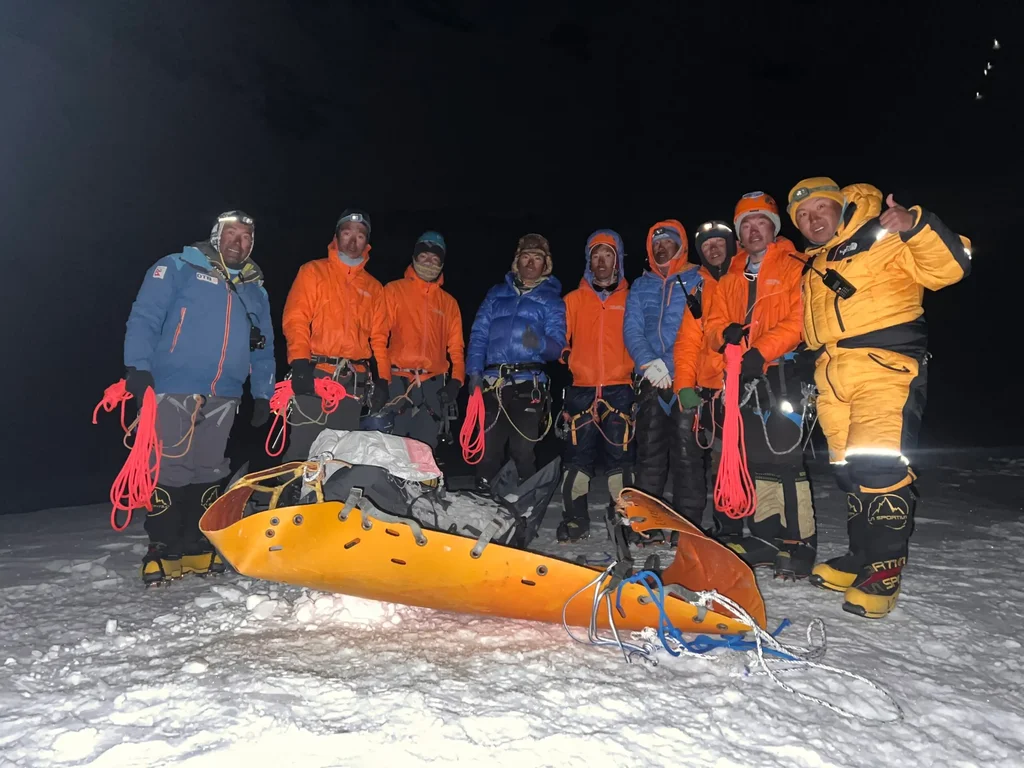
Nepal’s Mountain Clean-Up Campaign demonstrates the scale of that responsibility. During the 2024 campaign, the Nepal Army collected 11 metric tons of waste from Mount Everest, Mount Lhotse and Mount Nuptse, while also recovering four human bodies and one human skeleton. The 55-day operation highlighted both the environmental challenges of working at extreme altitude and the importance of coordinated mountain conservation.
The campaign was part of Nepal’s continuing efforts to keep its major Himalayan peaks cleaner and safer. Since the initiative began in 2019, approximately 180 metric tons of waste and 12 human remains had been recovered from major mountains by 2024, according to figures reported by the National Parks and Wildlife Reserve Directorate.
For an organization such as Peak Promotion, which provides expedition and mountain logistics support, these operations also demonstrate how professional coordination contributes to environmental initiatives in some of the most demanding locations on Earth.
What Is the Mountain Clean-Up Campaign?
The Mountain Clean-Up Campaign is a national initiative focused on removing accumulated waste and human remains from Nepal’s high-altitude mountain regions.
The Nepal Army has conducted major mountain-cleaning operations since 2019, targeting some of the country's most important climbing destinations. The initiative is designed not simply as a waste-collection exercise but as part of a broader effort to protect the Himalayan environment.
High-altitude cleanup is significantly more difficult than conventional environmental cleanup. Teams must operate in extremely cold conditions, navigate glaciers and steep terrain, transport collected materials between camps, and work within narrow seasonal weather windows.
The 2024 campaign demonstrated these challenges while focusing on three major peaks:
| Mountain | Significance |
| Mount Everest | World's highest mountain and Nepal's most internationally recognized climbing destination |
| Mount Lhotse | One of the world's highest mountains and connected to the Everest climbing route |
| Mount Nuptse | Major Himalayan peak located near Everest Base Camp |
The campaign also showed that environmental conservation in the Himalayas requires specialized mountaineering skills, logistics and teamwork.
11 Metric Tons of Waste Removed from the Mountains
One of the most significant results of the campaign was the removal of 11,000 kilograms, or 11 metric tons, of waste from the Everest, Lhotse and Nuptse region.
The collected material was divided into biodegradable and non-biodegradable categories.
| Waste Category | Quantity |
| Biodegradable waste | 2,226 kg |
| Non-biodegradable waste | 8,774 kg |
| Total | 11,000 kg / 11 metric tons |
The figures demonstrate that mountain pollution is not limited to a single type of waste. Different materials require different collection, transportation and disposal methods.
The biodegradable waste was handed over to the Everest Pollution Control Committee in the Namche area, while the non-biodegradable material was transported to Kathmandu and handed over to a recycling company for further processing.
This separation is important because effective mountain waste management does not end when waste is removed from a trail or climbing route. It also requires appropriate downstream handling.
Why Waste Management in the Himalayas Matters?
The Himalayan environment is particularly sensitive to pollution.
At lower elevations, waste can sometimes be collected and transported using conventional vehicles. At high altitude, however, transportation is considerably more complicated.
Waste may need to be carried between camps before reaching lower settlements, while weather, terrain and altitude can limit how much material a team can transport at one time.
Improperly managed waste can also remain in the mountain environment for long periods. Plastic, metal containers, packaging, abandoned climbing equipment and other non-biodegradable materials can accumulate in areas that are difficult to access.
That is why the Mountain Clean-Up Campaign has significance beyond the number of kilograms collected.
It represents a broader approach to Himalayan environmental conservation, where waste removal, responsible expedition practices and long-term awareness work together.
Recovering Human Remains from the High Himalayas
Environmental cleanup in the high mountains can involve another difficult responsibility: recovering human remains.
During the 2024 operation, the Nepal Army recovered four human bodies and one human skeleton from the mountain region.
The recovery of human remains from high-altitude climbing areas is technically difficult and physically demanding. Bodies may remain in locations affected by extreme cold, snow, ice and difficult terrain, making recovery operations considerably more complicated than conventional recovery work.
According to reports, the recovered remains were transferred to Tribhuvan University Teaching Hospital in Maharajgunj after the required legal procedures.
This part of the campaign demonstrates another dimension of mountain safety and conservation: preserving human dignity while responsibly managing the remains of climbers who died in the Himalayas.
A 55-Day Operation in Extreme Conditions
The 2024 campaign lasted 55 days and began on April 1.
Spring is one of the major mountaineering seasons in Nepal, making this period particularly important for high-altitude operations. However, the mountain environment remains unpredictable even during the preferred climbing season.
The cleanup teams had to contend with:
- Extreme altitude
- Freezing temperatures
- Changing weather
- Steep and technical terrain
- Glacial conditions
- Limited access
- Heavy loads
- Physical exhaustion
- Short operational windows
- Risks associated with high-altitude climbing
The campaign's closing reports emphasized that adverse mountain conditions made the operation particularly challenging.
The cleanup team also successfully reached the summit of Mount Everest during the operation, demonstrating that the campaign combined environmental work with significant mountaineering capability.
The Growing Need for Everest Waste Management
Mount Everest is one of the world's most recognizable natural landmarks. Every climbing season, expedition teams travel through the Khumbu region toward Everest Base Camp and higher camps.
With increased human activity comes increased pressure on the mountain environment.
Waste management therefore needs to be considered throughout an expedition rather than only after a problem becomes visible.
An effective approach can include:
- Reducing waste at the source
- Separating different types of waste
- Removing waste from high-altitude camps
- Transporting materials safely to lower elevations
- Recycling appropriate materials
- Educating climbers and expedition operators
- Monitoring sensitive mountain areas
- Conducting periodic cleanup campaigns
The Mountain Clean-Up Campaign complements these preventive measures by addressing waste that has already accumulated in difficult-to-access areas.
How Much Waste Has Been Removed Since 2019?
The 2024 campaign was part of a larger, multi-year effort.
According to figures reported at the conclusion of the campaign, approximately 180 metric tons of waste and 12 bodies had been recovered from major Himalayan mountains since the campaign began in 2019.
This longer-term perspective is important.
A single cleanup operation can remove a substantial amount of waste, but sustainable mountain conservation requires continued action. Weather, climbing activity, changing environmental conditions and the difficulty of reaching high-altitude locations mean that mountain cleanup cannot be treated as a one-time project.
Mountain Cleanup as a Long-Term Commitment
The progression of cleanup campaigns since 2019 demonstrates the need for sustained environmental management.
Earlier campaigns also recovered substantial quantities of waste and human remains. For example, the 2020 campaign collected more than 10 metric tons of garbage and recovered four bodies from Mount Everest.
The continuing nature of these operations illustrates an important principle:
Protecting the Himalayas requires long-term commitment rather than occasional cleanup alone.
The Role of Peak Promotion in Mountain Logistics
Large-scale mountain cleanup operations require more than a team of people collecting waste.
They depend on careful planning, route coordination, transportation, high-altitude support, equipment management and communication between teams operating at different locations.
According to Peak Promotion's published achievements, the company was selected by the Nepal Army as a handling agency for the Mountain Cleaning Campaign in 2021 and was subsequently involved in the campaigns in 2022, 2023 and 2024. The company states that its work across these campaigns involved logistics and mountain operations support.
For the 2024 campaign, logistics support was an important component of the operation.
What Mountain Logistics Involves?
High-altitude logistics can include:
- Expedition planning
- Route coordination
- Transportation arrangements
- Equipment movement
- Camp logistics
- Sherpa team coordination
- High-altitude operational support
- Communication between field teams
- Waste transportation
- Coordination between mountain and Kathmandu-based operations
At extreme altitude, every logistical decision can affect the safety and efficiency of the operation.
Peak Promotion's involvement in mountain cleanup campaigns reflects the importance of specialized Himalayan logistics in supporting environmental operations.
Sherpa Expertise and High-Altitude Operations
Sherpa communities have played an important role in Himalayan mountaineering for generations.
High-altitude operations require familiarity with mountain routes, terrain, weather patterns, camps and climbing conditions. During environmental cleanup operations, this expertise can be especially valuable because teams may need to access areas that are difficult to reach.
The role extends beyond climbing.
Sherpa teams can contribute to:
- Route preparation
- Load transportation
- Camp support
- High-altitude coordination
- Equipment movement
- Summit operations
- Safety management
- Expedition logistics
Successful mountain conservation therefore depends on the combined efforts of government agencies, mountaineers, Sherpa teams, logistics companies and local organizations.
The Importance of Responsible Mountaineering
Large cleanup campaigns are necessary, but preventing waste in the first place is equally important.
Responsible mountaineering begins before an expedition reaches the mountain.
Expedition operators and climbers can reduce their environmental impact by:
✔ Minimize Single-Use Materials
Reducing unnecessary packaging and disposable materials can lower the amount of waste transported to high-altitude camps.
✔ Pack Out What You Carry In
Climbers should ensure that materials brought into the mountain environment are properly removed when they leave.
✔ Separate Waste
Different types of waste should be separated whenever appropriate so that materials can be managed through suitable disposal or recycling channels.
✔ Follow Local Regulations
Mountaineers should follow Nepal's environmental, climbing and waste-management requirements.
✔ Respect Local Communities
The Himalayas are not simply adventure destinations. They are home to communities, cultural traditions and ecosystems that deserve protection.
✔ Choose Responsible Expedition Operators
Travelers can also contribute by selecting trekking and expedition companies that demonstrate clear environmental and community responsibilities.
Mountain Conservation Is More Than Waste Collection
It is easy to measure a campaign by the number of kilograms collected.
However, mountain conservation involves much more than removing garbage.
It also includes:
- Protecting mountain ecosystems
- Reducing future waste
- Supporting local communities
- Promoting responsible tourism
- Managing human-wildlife interactions
- Protecting water sources
- Improving expedition practices
- Educating visitors
- Supporting research
- Preparing for climate-related environmental changes
The Mountain Clean-Up Campaign provides one visible part of this larger conservation effort.
Why the Himalayas Need Continued Protection?
Nepal's Himalayas support tourism, biodiversity, local livelihoods and the country's global identity.
Mountains such as Everest, Lhotse, Nuptse, Annapurna and other major peaks attract international visitors and contribute significantly to Nepal's tourism economy.
At the same time, high-altitude environments are vulnerable.
Climate change, glacier changes, increasing tourism activity and human waste can create additional environmental pressures. Recent international discussions about Everest have also emphasized concerns surrounding pollution, overcrowding and the long-term protection of the Himalayan environment.
This makes conservation an ongoing responsibility shared by governments, expedition operators, climbers, local communities and travelers.
From Cleanup to Sustainable Himalayan Tourism
The future of Himalayan tourism depends partly on how responsibly the mountains are managed today.
Sustainable tourism does not mean stopping people from experiencing Nepal's mountains. Instead, it means creating systems that allow tourism and mountaineering to continue while reducing their environmental impact.
A sustainable approach can combine:
Responsible travelers + responsible operators + effective regulation + waste management + local participation + conservation initiatives
When these elements work together, Nepal can continue welcoming visitors while protecting its natural heritage.
Key Achievements of the Mountain Clean-Up Campaign
The 2024 campaign can be summarized through several important figures:
| Achievement | Result |
| Campaign duration | 55 days |
| Waste collected | 11,000 kg |
| Total waste | 11 metric tons |
| Biodegradable waste | 2,226 kg |
| Non-biodegradable waste | 8,774 kg |
| Human bodies recovered | 4 |
| Human skeletons recovered | 1 |
| Major peaks covered | Everest, Lhotse and Nuptse |
| Campaign started | April 1, 2024 |
| Campaign initiated | 2019 |
| Waste collected since 2019, as reported in 2024 | Approx. 180 metric tons |
| Bodies recovered since 2019, as reported in 2024 | 12 |
These figures were reported following the conclusion of the 2024 campaign.
What This Campaign Means for Nepal?
The Mountain Clean-Up Campaign sends an important message about Nepal's approach to mountain conservation.
First, it demonstrates that environmental protection in the Himalayas requires active intervention.
Second, it shows the importance of specialized high-altitude logistics. Removing waste from Everest, Lhotse and Nuptse requires significantly more planning than conventional cleanup operations.
Third, it highlights the need for shared responsibility. Government agencies can lead large-scale initiatives, but expedition operators, climbers, local communities and travelers all have roles to play.
Finally, it reinforces the idea that Nepal's mountains should be treated not only as destinations for adventure but also as fragile environments that require long-term protection.
Peak Promotion and the Future of Himalayan Conservation
Peak Promotion's involvement in mountain cleanup and other Himalayan operations reflects the broader role that specialized expedition companies can play in Nepal's mountain sector.
The company's published experience includes support for Nepal Army mountain-cleaning campaigns from 2021 through 2024, alongside expedition and high-altitude logistics activities.
As Nepal continues to develop its trekking, mountaineering and adventure tourism sectors, professional logistics will remain important not only for commercial expeditions but also for conservation projects.
The goal is ultimately bigger than a single cleanup campaign.
It is about creating a culture in which mountaineering, tourism and environmental responsibility develop together.
Frequently Asked Questions (FAQ's):
Q. What is the Mountain Clean-Up Campaign?
The Mountain Clean-Up Campaign is a Nepalese initiative focused on removing waste and human remains from major Himalayan mountain regions and promoting environmental conservation.
Q. When did Nepal's Mountain Clean-Up Campaign begin?
The Nepal Army began major mountain-cleaning campaigns in 2019. Since then, multiple operations have targeted different Himalayan peaks.
Q. How much waste was collected during the 2024 campaign?
The campaign collected approximately 11,000 kilograms, or 11 metric tons, of waste from Mount Everest, Lhotse and Nuptse.
Q. How much biodegradable waste was collected?
Approximately 2,226 kilograms of the collected waste was biodegradable.
Q. How much non-biodegradable waste was collected?
Approximately 8,774 kilograms was classified as non-biodegradable waste.
Q. Which mountains were covered during the 2024 campaign?
The 2024 operation focused on Mount Everest, Mount Lhotse and Mount Nuptse.
Q. How long did the 2024 Mountain Clean-Up Campaign last?
The campaign lasted 55 days, beginning on April 1, 2024.
Q. Were human remains recovered during the campaign?
Yes. The team recovered four human bodies and one human skeleton during the operation.
Q. What happened to the recovered human remains?
The recovered remains were handed over to Tribhuvan University Teaching Hospital in Maharajgunj after the necessary legal procedures, according to reports from the campaign.
Q. How is the collected mountain waste managed?
Biodegradable waste was handed over to the relevant pollution-control organization in the Namche area, while non-biodegradable waste was transported to Kathmandu for recycling or further processing.
Q. How much waste has Nepal removed from the mountains since 2019?
Figures reported at the conclusion of the 2024 campaign indicated that approximately 180 metric tons of waste had been collected from major mountains since the initiative began.
Q. What is Peak Promotion's role in mountain cleanup?
Peak Promotion states that it has provided handling and logistics support for Nepal Army mountain-cleaning campaigns, including campaigns conducted from 2021 through 2024.
Q. Why is mountain waste management important?
Mountain waste can remain in fragile high-altitude environments for extended periods. Proper collection, transportation, recycling and disposal help reduce pollution and protect Himalayan ecosystems.
Q. How can climbers help keep the Himalayas clean?
Climbers can reduce disposable materials, avoid littering, follow local waste-management requirements, pack out materials where required and choose responsible expedition operators.
Conclusion: Keeping Nepal's Mountains Clean for Future Generations
The Mountain Clean-Up Campaign is an important example of environmental action in one of the world's most challenging landscapes.
The 2024 operation removed 11 metric tons of waste, recovered four bodies and one human skeleton, and demonstrated the level of coordination required to protect Nepal's high Himalayan environment.
But the campaign also highlights a larger responsibility.
Keeping Everest and Nepal's other Himalayan peaks clean cannot depend on periodic cleanup operations alone. It requires responsible mountaineering, effective waste-management systems, strong environmental policies, local participation and continued cooperation between government agencies and the private sector.
Peak Promotion's involvement in mountain logistics and cleanup operations illustrates how specialized Himalayan expertise can contribute to these efforts.
The Himalayas belong to Nepal's natural heritage and to future generations. Protecting them today means ensuring that adventure, tourism and conservation can continue together tomorrow.