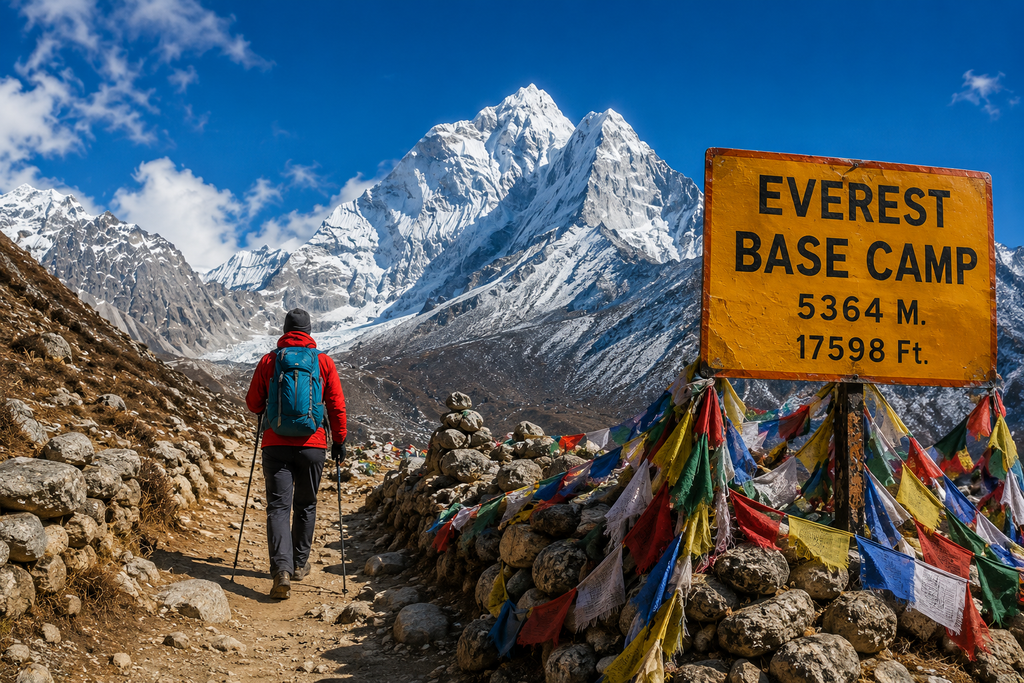
The Everest Base Camp (EBC) Trek is one of the world's most iconic trekking adventures, attracting thousands of trekkers to Nepal every year. Standing at the foot of Mount Everest (8,848.86 m), the journey offers breathtaking Himalayan scenery, Sherpa culture, ancient monasteries, and the unforgettable experience of reaching Everest Base Camp at 5,364 meters (17,598 ft).
Although the trek does not require technical mountaineering skills, it is physically demanding due to its high altitude, long walking days, and changing mountain weather. Proper preparation is the key to enjoying a safe, comfortable, and successful trek.
At Peak Promotion, we have been organizing Himalayan trekking and expedition adventures since 1992, helping travelers from around the world achieve their dream of reaching Everest Base Camp safely and confidently.
Is the Everest Base Camp Trek Difficult?
The Everest Base Camp Trek is considered moderately challenging. It does not involve rock climbing or the use of ropes, but trekkers should be prepared to walk 5–8 hours per day over rugged mountain trails for approximately 12–14 days.
The biggest challenge is high altitude, where the air contains less oxygen. Walking slowly, following a proper acclimatization schedule, and staying well hydrated are essential for a successful trek.
How Fit Do You Need to Be?
You don't need to be an athlete, but you should have a reasonable level of fitness before arriving in Nepal.
A good fitness program should begin 8–12 weeks before your trip.
Focus on improving:
Cardiovascular endurance Leg strength Core stability Balance and flexibility Mental endurance
The fitter you are before the trek, the more enjoyable your experience will be.
Recommended Training Before the Trek 1. Hiking
Hiking is the best preparation for Everest Base Camp.
Try to:
Hike once or twice each week Carry a backpack weighing 5–10 kg Practice walking on uneven trails Gradually increase hiking distance 2. Stair Climbing
Climbing stairs is one of the most effective ways to prepare for Nepal's mountain trails.
Aim for:
30–60 minutes Three to four sessions per week 3. Running or Cycling
Cardiovascular fitness helps your body perform better at altitude.
Recommended schedule:
30–45 minutes Three to five days per week 4. Strength Training
Build strength in your:
Legs Glutes Core Lower back
Exercises include:
Squats Lunges Step-ups Deadlifts (with proper technique) Planks 5. Flexibility and Balance
Stretch after every workout.
Consider activities such as:
Yoga Mobility exercises Balance drills
Improved flexibility helps reduce muscle fatigue and lowers the risk of injury.
Altitude Preparation
The greatest challenge during the Everest Base Camp Trek is altitude.
To reduce the risk of Acute Mountain Sickness (AMS):
Walk slowly Drink 3–4 liters of water daily Avoid alcohol and smoking Eat nutritious meals Sleep well Never ignore symptoms of altitude sickness Follow your guide's advice at all times
Peak Promotion carefully designs every itinerary with acclimatization days to improve safety and increase summit success.
Essential Packing List Clothing Moisture-wicking base layers Fleece jacket Down jacket Waterproof jacket Waterproof trousers Trekking pants Thermal underwear Warm hat Sun hat Gloves Warm socks Footwear Waterproof trekking boots Camp shoes or sandals Gaiters (optional) Equipment Trekking poles Backpack (30–40 L) Duffel bag Sleeping bag (-15°C to -20°C) Headlamp Water bottles Water purification tablets Sunglasses with UV protection Sunscreen (SPF 50+) Lip balm Personal Items Passport Travel insurance Personal medications First-aid kit Camera Power bank Snacks Do You Need Technical Training?
No.
Unlike peak climbing expeditions, the Everest Base Camp Trek does not require technical climbing skills.
You do not need to learn:
Rope climbing Ice axe techniques Crampon use Glacier travel
However, you should understand:
Trekking at high altitude Basic mountain safety Hydration and nutrition Layering clothing correctly Recognizing symptoms of altitude sickness Mental Preparation
Success on the Everest Base Camp Trek depends as much on your mindset as your physical fitness.
Prepare yourself to:
Walk for several consecutive days Experience changing weather Adapt to basic teahouse accommodation Stay positive and patient at high altitude
A calm and flexible attitude will help you enjoy every moment of the journey.